
The actual strategy behind Russia's sudden declaration of a truce
Real strategy behind Russia’s

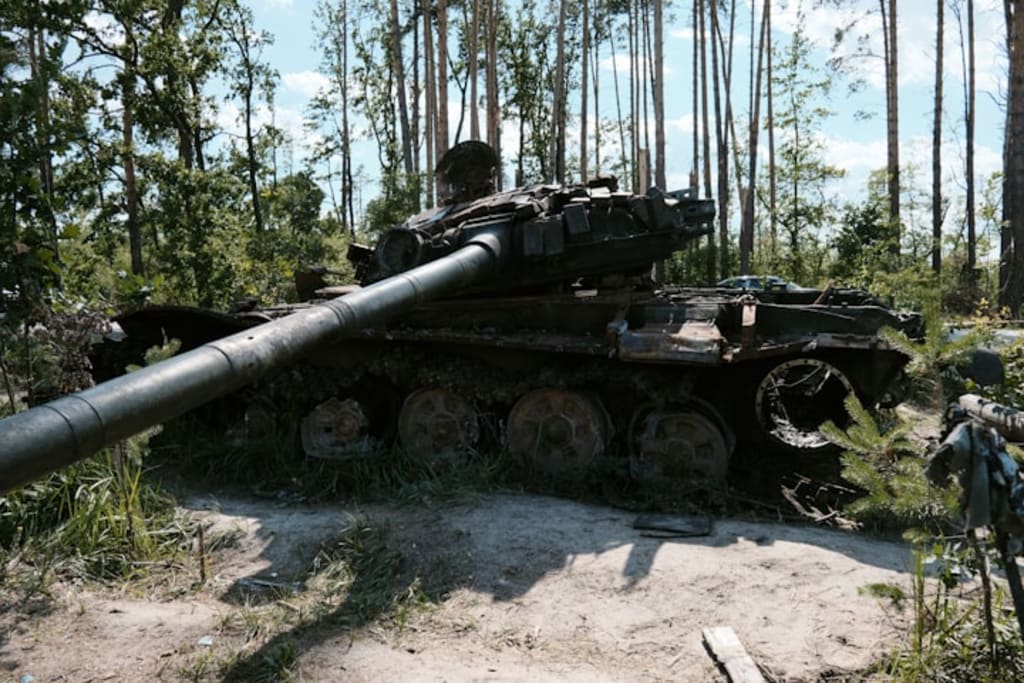
Rather than being a genuine step toward peace, Russia's unilateral Easter ceasefire announcement appears to be a strategic maneuver. Ukrainian officials reported that Russian attacks, including artillery shelling and drone strikes, continued despite President Vladimir Putin's public declaration of a 30-hour truce, raising questions regarding Moscow's commitment to the ceasefire.
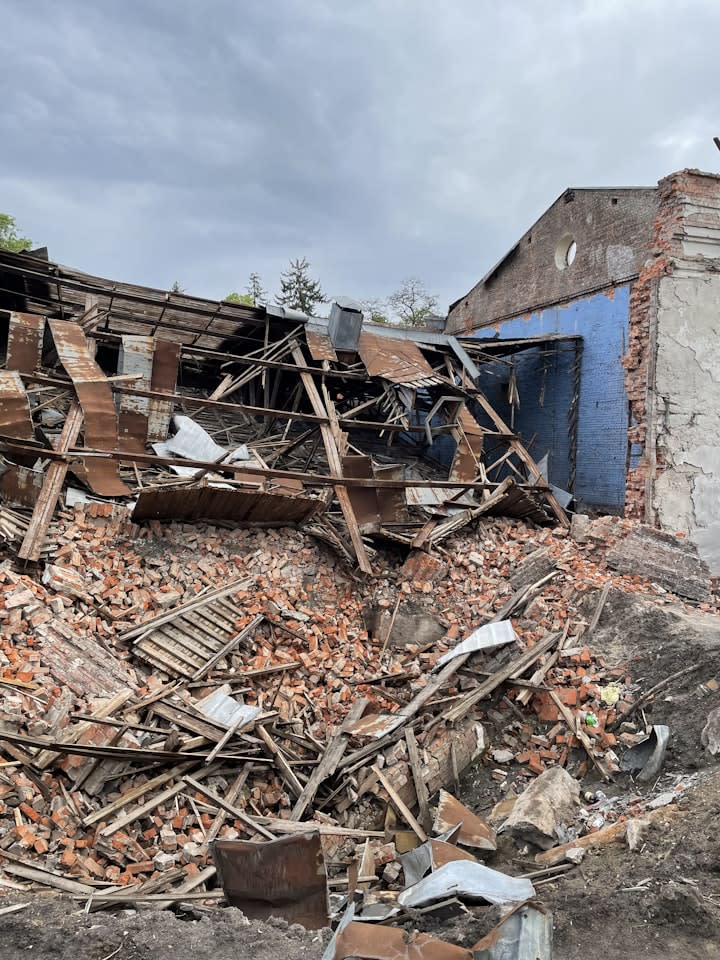
The Strategic Goals That Drive the Ceasefire
Influencing Western Support for Ukraine: By recommending a ceasefire, Russia wants to give the impression that it is willing to negotiate, which could lead Western allies to reduce their support for Ukraine's military. This strategy aims to weaken Ukraine's position and take advantage of divisions in the international community. Russian forces can pause offensive operations, resupply, and reposition their troops for upcoming attacks thanks to a temporary ceasefire. Additionally, it can be used to rotate depleted units and recruit new reinforcements.
Consolidating Gains in Territories: The ceasefire may strengthen Russia's hold on occupied Donetsk and Luhansk in eastern Ukraine. Moscow has stated that it does not intend to cede these areas to Ukraine because it considers them integral parts of Russia.
If the truce falls on religious holidays like Orthodox Christmas or when civilians are being evacuated, Russia may use it to portray itself as a humanitarian. This may be a component of a global information war to influence public opinion.
Under the guise of "peace talks," a ceasefire could be used as a strategy to pressure Ukraine into making concessions. It could also be an effort to suggest that diplomacy is moving forward to deter further Western military assistance.
Russia continues to insist that Ukraine give up its desire to join NATO as a condition for peace. This is undermining Ukraine's ambitions to join NATO. This position aims to prevent Ukraine from joining Western defense systems, preserving Russian influence in the area.
A truce could temporarily halt the conflict, allowing Russian forces to consolidate control over occupied territories if they are struggling to advance. This is in line with Russia's long-term plan to protect annexed regions before any possible negotiations.
During the "pause," ceasefires can sometimes be used to gather intelligence by observing how Ukrainian troops move or looking for weaknesses.
Putin may use a truce before elections or during internal turmoil to lessen casualties and maintain public support. It might also be a way to deal with the financial strain that comes from a long war.
Russia has previously used ceasefires tactically—such as in Syria, where "humanitarian pauses" often led to regrouping rather than lasting peace. Past truces in Ukraine, such as the "corridors" of Mariupol, have occasionally provided Russia with opportunities to reposition its forces or traps.
Reactions from around the world Russia's proposal for a ceasefire has been met with skepticism by the international community. Volodymyr Zelenskyy, the president of Ukraine, called the truce a ruse, noting that Russian forces continued their offensive operations during the declared ceasefire. Western leaders have also expressed concerns, stressing that Russia must demonstrate its genuine commitment to peace through concrete actions rather than merely symbols.
Conclusion
It is likely a deliberate strategy to influence international perceptions and negotiations that Russia announced a ceasefire over Easter. Moscow wants to achieve its goals without compromising Ukraine's sovereignty or NATO ambitions by presenting itself as a peacemaker and continuing its aggressive tactics. The determination of Ukraine and its allies to maintain support and resist Russia's tactics will determine this strategy's efficacy.
Even though a truce may provide relief in the short term, Russia's past indicates that it is typically a strategic pause rather than a genuine step toward peace. Given Moscow's larger war goals and previous violations, such actions typically elicit skepticism from Ukraine and its allies.
About the Creator
Keep reading
More stories from Azharul Islam and writers in Journal and other communities.
Persecution, statelessness, and the refugee crisis among the Rohingya
The Rohingya are a Muslim ethnic group primarily from Myanmar (Burma)'s Rakhine State (formerly Arakan). A severe humanitarian crisis has developed as a result of decades of systematic persecution, discrimination, and violence against them.
By Azharul Islam9 months ago in Journal



Comments (1)
Thanks for sharing it.