
Trump-Backed White House Ballroom Expected to Be Completed in Summer 2028, National Park Service Says
National Park Service confirms timeline for controversial White House expansion project

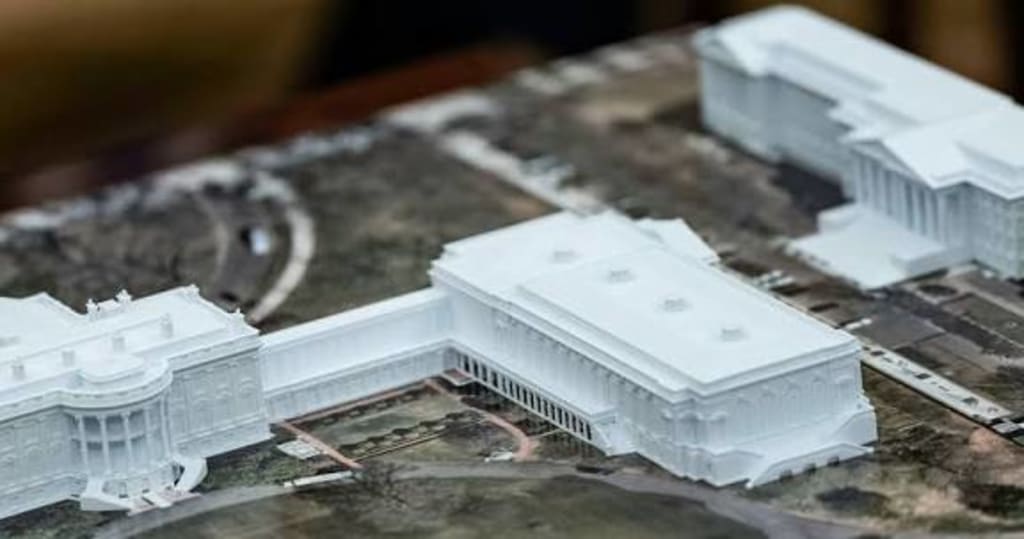
Plans for a new White House ballroom backed by former U.S. President Donald Trump have taken a significant step forward, with the National Park Service (NPS) confirming that the project is expected to be completed by the summer of 2028. The announcement has sparked fresh debate in Washington and beyond, blending questions of presidential legacy, historic preservation, and the evolving role of the White House as both a working government building and a national symbol.
The proposed ballroom, which has been discussed intermittently for years, is intended to address a long-standing logistical challenge at the White House: the lack of a large, permanent indoor space capable of hosting major state dinners and official events without relying on temporary structures.
Why a New Ballroom Is Being Built
For decades, administrations from both parties have relied on large tents set up on the South Lawn to accommodate major diplomatic gatherings. While functional, these temporary solutions are costly, weather-dependent, and often criticized as lacking the dignity expected of formal state events.
Supporters of the new ballroom argue that a purpose-built venue would modernize the White House’s event infrastructure while reducing long-term expenses associated with repeated tent installations. According to officials familiar with the planning process, the ballroom would be designed to host hundreds of guests, providing a permanent alternative that blends architectural grandeur with modern security and accessibility standards.
Donald Trump, known for his background in real estate and luxury developments, has long advocated for such a project. During his presidency, he publicly expressed frustration with the reliance on tents and offered to help fund a ballroom that would reflect what he described as “world-class” standards.
The Role of the National Park Service
Because the White House complex sits within a protected historic zone, the National Park Service plays a central role in reviewing and approving any major construction. The NPS oversees compliance with federal preservation laws, environmental standards, and design guidelines intended to protect the historic character of the site.
In its recent statement, the agency confirmed that planning and review processes are ongoing and that, if timelines hold, construction would lead to completion by summer 2028. Officials emphasized that the project must meet strict criteria to ensure it does not compromise the historical integrity of the White House or its surrounding grounds.
This lengthy review process reflects the sensitivity of altering one of the most recognizable buildings in the world.
Design and Location Considerations
While full architectural details have not yet been released, early proposals suggest that the ballroom would be built adjacent to, rather than within, the main White House residence. This approach aims to preserve the original structure while providing a seamless connection for official use.
Design discussions reportedly focus on classical elements that align with existing White House architecture, such as columns, symmetry, and traditional materials. At the same time, modern requirements—advanced security systems, climate control, and accessibility features—are expected to be incorporated.
Balancing tradition with modern functionality remains one of the project’s greatest challenges.
Supporters and Critics Weigh In
The announcement has reignited political and cultural debate. Supporters see the ballroom as a practical upgrade that future administrations, regardless of party, will benefit from. They argue that investing in a permanent space makes financial sense over time and enhances the United States’ ability to host world leaders with appropriate formality.
Critics, however, raise concerns about symbolism and precedent. Some argue that a Trump-backed project could blur the line between public property and personal legacy, even if privately funded. Others worry about the impact on historic preservation, questioning whether any new large-scale construction belongs on White House grounds.
These debates highlight the broader tension between preserving national heritage and adapting iconic institutions for modern needs.
Funding and Oversight Questions
One of the most closely watched aspects of the project is funding. While Trump has previously indicated a willingness to contribute financially, any arrangement would require transparency and strict oversight to ensure compliance with federal ethics rules.
The National Park Service and other oversight bodies are expected to scrutinize funding sources carefully, particularly given the political sensitivities surrounding the project. Clear boundaries between private donations and public decision-making will be essential to maintaining public trust.
A Long-Term Impact Beyond Politics
If completed as planned, the ballroom will likely outlast current political debates. Like previous additions to the White House—such as the East Wing and West Wing—it could eventually become a routine part of presidential life, its controversial origins fading into historical footnotes.
For now, the project serves as a reminder that the White House is not a static monument but a living institution, shaped by each generation’s needs and values. Whether viewed as a necessary modernization or a contentious legacy project, the proposed ballroom underscores how even architectural decisions at the White House can reflect broader national conversations.
As the summer 2028 target approaches, the Trump-backed White House ballroom will remain under close public scrutiny—symbolizing not just a new space for state dinners, but the enduring intersection of politics, history, and design in America’s most famous building.
About the Creator
Fiaz Ahmed
I am Fiaz Ahmed. I am a passionate writer. I love covering trending topics and breaking news. With a sharp eye for what’s happening around the world, and crafts timely and engaging stories that keep readers informed and updated.
Keep reading
More stories from Fiaz Ahmed and writers in Journal and other communities.
The goals I did not achieve
Every writing goal I made for the year is a wash. It has been this way for a while, but I think it's important to be open about my failures and the reality of how life can get in the way. This is especially true considering the several times I have posted on Vocal about my writing goals, how I was changing my approach, and where I was hoping to be for the upcoming year. I will probably do that again in a couple months, but for now, it is time to acknowledge where I am today.
By Kay Husnick24 days ago in Journal
The Silent Reason You Quit Goals You Care About: Unveiling the Shadow of "Unrealistic Expectations
We all have them – those goals shimmering in the distance, beckoning us with the promise of a better, more fulfilling life. Losing weight, writing a novel, starting a business, mastering a new skill – the possibilities are endless. We start with enthusiasm, fueled by inspiration and a burning desire to achieve our dreams. Yet, all too often, that initial spark flickers and fades. We find ourselves derailed, abandoning our aspirations, and whispering excuses about lack of time, motivation, or talent.
By Wilson Igbasiabout 7 hours ago in Journal



Comments
There are no comments for this story
Be the first to respond and start the conversation.