
Trends and Predictions for the Future of US Politics
US Politics

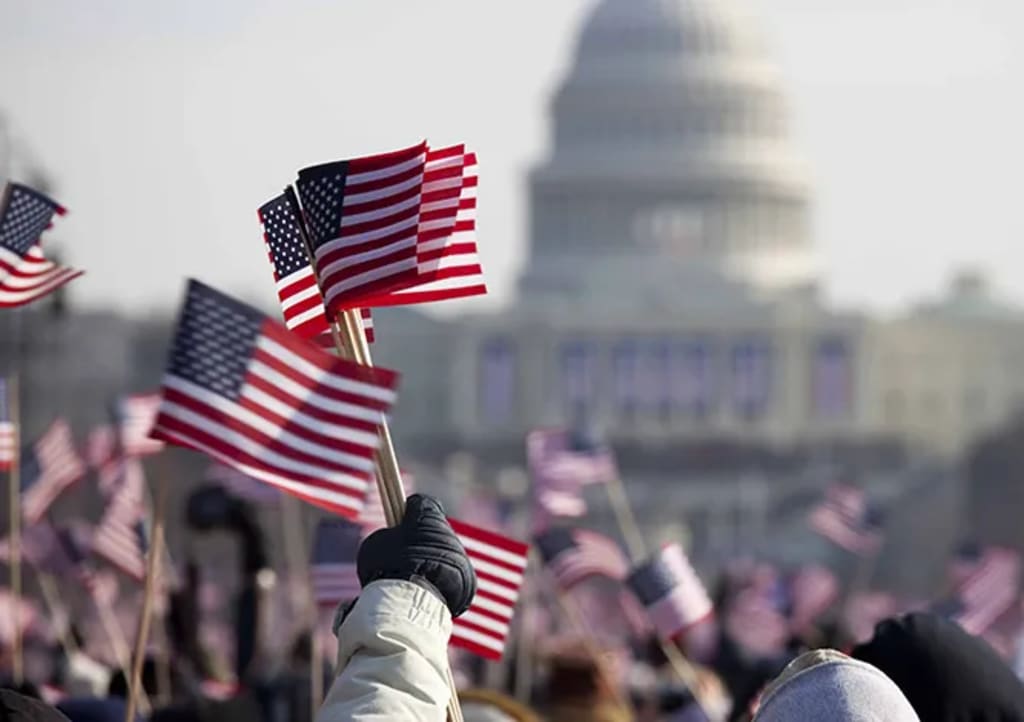
The landscape of United States politics is constantly evolving, shaped by societal changes, technological advancements, and shifting global dynamics. As the nation approaches key inflection points in its economic, social, and political history, several trends are emerging that will define the future of American governance. These trends encompass the increasing role of technology in politics, shifting demographics, intensifying polarization, and the evolving priorities of voters. This discussion will delve into these trends and offer predictions for their impact on the future of US politics.
1. The Growing Influence of Technology in Politics
Technology continues to reshape the way political campaigns are run, how citizens engage with political content, and how governments function.
Social Media and Campaigning: Platforms like Twitter, Facebook, and TikTok have become essential tools for political outreach. Politicians increasingly rely on these platforms to connect with younger voters, shape narratives, and amplify their messages. However, the rise of misinformation and the manipulation of algorithms present challenges to maintaining informed public discourse.
AI and Data Analytics: The use of artificial intelligence (AI) and big data in political strategy is becoming more sophisticated. Predictive analytics allows campaigns to target specific voter demographics with personalized messaging, while AI tools like chatbots facilitate engagement with constituents.
Cybersecurity Concerns: As reliance on digital platforms grows, so does the risk of cyberattacks and election interference. Safeguarding electoral systems will remain a critical issue for the US political landscape.
Prediction: The integration of advanced technologies into politics will enhance voter outreach and participation but will also require stronger regulations to combat misinformation and ensure data privacy.
2. Shifting Demographics and Political Realignment
Demographic changes in the United States are altering the political map.
Growing Diversity: The US is becoming more racially and ethnically diverse. By 2045, non-Hispanic whites are projected to become a minority, increasing the political influence of Hispanic, Black, and Asian-American communities. This shift will likely lead to greater representation of diverse voices in government.
Urban vs. Rural Divide: Urban areas, which are growing and becoming more diverse, tend to lean Democratic, while rural areas remain Republican strongholds. This divide could deepen, influencing electoral strategies and legislative priorities.
Generational Shifts: Younger generations, such as Millennials and Gen Z, are becoming a larger share of the electorate. These groups generally favor progressive policies on climate change, social justice, and healthcare, potentially pushing the political spectrum leftward.
Prediction: Political parties will need to adapt their platforms to address the concerns of a more diverse and younger electorate, leading to shifts in traditional policy priorities.
3. Intensifying Political Polarization
Partisan divisions in the United States have reached historic levels, impacting governance and public trust.
Echo Chambers: Social media algorithms often reinforce existing beliefs, creating ideological echo chambers that contribute to polarization.
Partisan Media: The rise of partisan news outlets has deepened divides, as Americans increasingly consume information aligned with their political views.
Policy Gridlock: Polarization has led to legislative gridlock, with parties struggling to find common ground on critical issues such as immigration, healthcare, and gun control.
Prediction: Polarization is likely to persist, but growing frustration with gridlock may fuel demand for third-party movements or independent candidates who prioritize bipartisan solutions.
4. The Rise of Populism and Anti-Establishment Sentiments
Populism has become a defining feature of US politics, with leaders on both the left and right appealing to voters' frustrations with traditional political elites.
Economic Inequality: Widening income gaps have fueled discontent, leading to calls for policies addressing wealth redistribution and economic fairness.
Distrust in Institutions: Skepticism toward government, media, and other institutions continues to grow, influencing voter behavior and trust in election outcomes.
Grassroots Movements: Populist movements, such as those advocating for climate action, racial justice, and workers’ rights, are increasingly shaping the national agenda.
Prediction: Populist rhetoric will remain influential, driving policy debates on income inequality and institutional reform. However, its long-term impact will depend on the effectiveness of governance in addressing these concerns.
5. The Role of Climate Change in Politics
Climate change is becoming an increasingly urgent political issue, with voters demanding action on environmental sustainability.
Youth Advocacy: Young voters prioritize climate change more than any previous generation, pressuring politicians to adopt ambitious environmental policies.
Economic Impacts: Extreme weather events and rising costs associated with climate mitigation are influencing federal and state budgets.
Global Collaboration: As climate change is a global issue, it will require the US to engage more actively in international agreements and partnerships.
Prediction: Climate policy will play a central role in shaping future elections, with bipartisan efforts likely focusing on renewable energy and green jobs to balance economic growth with environmental responsibility.
6. Evolving Voter Priorities
As society changes, so do the issues that resonate most with voters.
Healthcare Reform: Rising healthcare costs and debates over universal coverage remain top concerns.
Technological Transition: Issues like automation, digital privacy, and the gig economy are gaining prominence.
Social Justice: The fight for racial and gender equality continues to influence voter demands and policy initiatives.
Prediction: Future elections will see a growing emphasis on addressing healthcare access, economic fairness in a tech-driven economy, and comprehensive social justice reforms.
7. The Changing Nature of Elections
Elections in the US are undergoing significant changes, driven by technology and voter behavior.
Early Voting and Mail-In Ballots: These options, expanded during the COVID-19 pandemic, have become popular and are likely to remain permanent fixtures.
Election Security: Ensuring the integrity of elections will remain a priority, especially in the face of foreign interference and misinformation campaigns.
Ranked-Choice Voting: This system, which allows voters to rank candidates by preference, is gaining traction and could reshape election outcomes.
Prediction: Innovations in voting methods and increased security measures will make elections more accessible and resilient, fostering higher voter participation.
Conclusion
The future of US politics is poised to be shaped by a combination of technological innovation, demographic transformation, and shifting voter priorities. While challenges like polarization and institutional distrust persist, there are opportunities for progress through inclusivity, environmental responsibility, and responsive governance. As the nation navigates these changes, adaptability and a commitment to democratic principles will be crucial for building a resilient political system. By addressing emerging trends and anticipating future needs, US politics can evolve to better serve its diverse and dynamic populace.
About the Creator
Paramjeet kaur
Hey people! I am my own person and I love blogging because I just love to share the small Stories
Keep reading
More stories from Paramjeet kaur and writers in Journal and other communities.
The Constitution and Its Influence on US Politics
The United States Constitution is one of the most significant and enduring documents in political history, serving as the foundation of the nation’s governance and the blueprint for its political system. Ratified in 1788, the Constitution established the framework for a federal government, defined the separation of powers, and enshrined the rights and liberties of the people. Over time, it has profoundly shaped the development of US politics, guiding the actions of government institutions, influencing political debates, and serving as a touchstone for legal and social change.
By Paramjeet kaurabout a year ago in Journal
The goals I did not achieve
Every writing goal I made for the year is a wash. It has been this way for a while, but I think it's important to be open about my failures and the reality of how life can get in the way. This is especially true considering the several times I have posted on Vocal about my writing goals, how I was changing my approach, and where I was hoping to be for the upcoming year. I will probably do that again in a couple months, but for now, it is time to acknowledge where I am today.
By Kay Husnick22 days ago in Journal
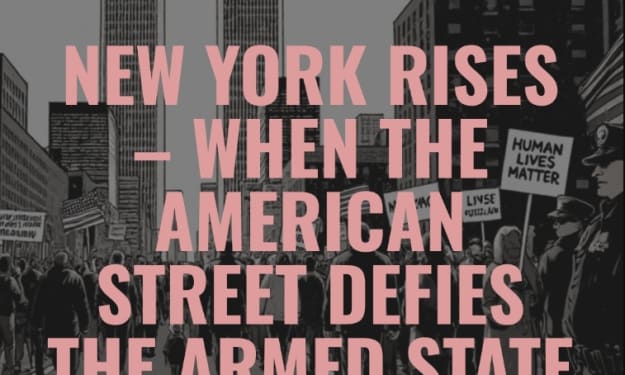
NEW YORK RISES – WHEN THE AMERICAN STREET DEFIES THE ARMED STATE
The silence of New York was not an absence of sound, but a presence of weight, an atmospheric density that heralded the storm long before the first drop of anger fell on the pavement of Manhattan. In this month of January 2026, the metropolis did not merely cease breathing to the rhythm of profit; it changed its very nature. Under a leaden sky, whose hue recalled cold metals and irrevocable administrative decisions, a human tide took over the canyons of concrete. This was not a riot, it was not a scream, it was a march. A slow, granitic, almost liturgical advance, where every step seemed to weigh a ton of mute demands. There was a particular gravity in this crowd, the kind that distinguishes anger that has long ripened in the shadows from the blind rage that evaporates with the first police charge. Faces were landscapes of determination, marked by the cold but heated by an inner conviction that nothing seemed able to dent.
By Laurenceau Porte6 days ago in Journal



Comments
There are no comments for this story
Be the first to respond and start the conversation.