
Top Types of Grow Lights for Greenhouse Use
Grow Lights for Greenhouse

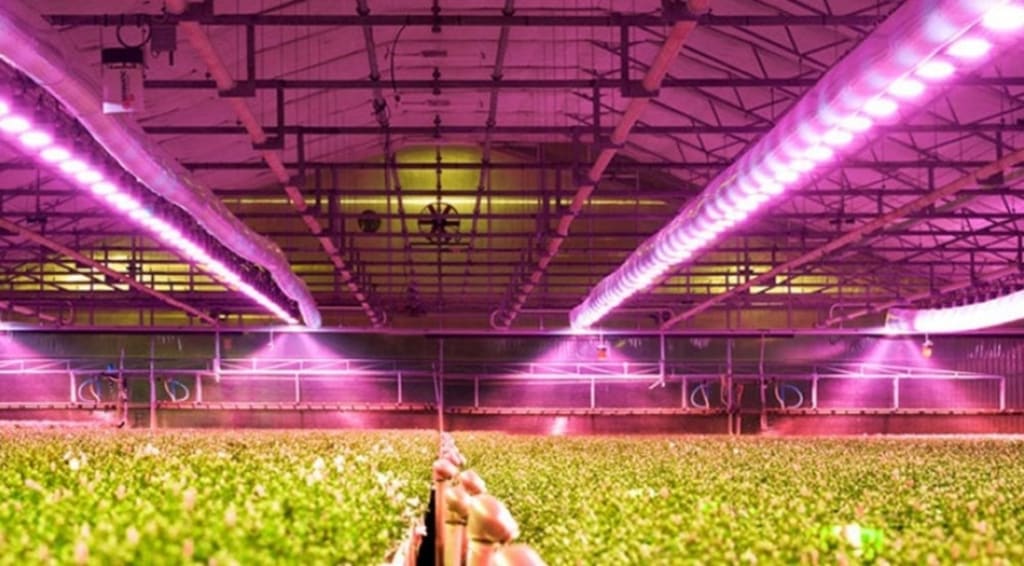
Greenhouses create a controlled environment that helps plants thrive throughout the year. To maintain healthy growth, it's critical to choose the right grow lights for greenhouse cultivation. The right lighting supports photosynthesis, extends growing seasons, and increases yield potential. This article will guide you through the top types of grow lights suited for greenhouses and how they compare in performance.
1. Fluorescent Grow Lights
Fluorescent lights have been widely used in greenhouses, especially for seedlings and young plants. They emit low heat, making them ideal for delicate plants that require light without excess warmth. Fluorescent tubes like T5 and CFLs (compact fluorescents) offer energy efficiency and affordability. However, they may not provide sufficient intensity for large-scale fruiting or flowering crops.
2. High-Pressure Sodium (HPS) Grow Lights
HPS lights have long been popular in commercial agriculture due to their intense light output. These grow lights for greenhouse setups produce a warm, yellow-orange spectrum that promotes flowering and fruiting. While effective, HPS lights generate significant heat and consume more electricity. Proper ventilation and cooling systems are necessary to prevent overheating.
3. Metal Halide Grow Lights
Metal Halide (MH) lights emit a cooler, blue-white spectrum ideal for vegetative growth. They are often paired with HPS lights to cover the full plant life cycle. MH lights are effective but share similar drawbacks with HPS, such as high heat output and power consumption.
4. LED Grow Lights
In recent years, LED grow lights have become a preferred choice for many greenhouse growers. These lights provide targeted wavelengths that support specific plant growth stages. They are energy-efficient, have a long lifespan, and produce less heat compared to traditional options.
Brands like California LightWorks have led the way in developing advanced LED grow lights for greenhouse applications. Their fixtures deliver precise light spectrums, resulting in improved plant quality while reducing operational costs. Another benefit is the ability to customize lighting schedules and intensity, giving growers greater control over their crops.
5. Induction Grow Lights
Induction lighting is a lesser-known option but offers durability and low maintenance. These lights work similarly to fluorescent lamps but last longer. They provide a broad light spectrum suitable for general plant growth. However, their upfront cost and lower intensity compared to LED grow lights make them less popular among commercial greenhouse operators.
Comparing Grow Light Types
When choosing grow lights for greenhouse, it’s important to weigh several factors:
- Energy Efficiency: LED grow lights consume less energy than HPS or MH lights.
- Heat Output: Lower heat reduces cooling needs; LED grow lights excel in this area.
- Lifespan: LEDs typically last 50,000 hours or more, reducing replacement frequency.
- Light Spectrum: LEDs and MH lights offer blue spectrums for growth; HPS focuses on red for flowering.
California LightWorks products stand out by combining high efficiency with spectrum control, helping growers maintain consistent yields without excessive energy costs.
Advantages of LED Grow Lights in Greenhouses
Switching to LED grow lights provides multiple advantages for greenhouse production:
- Energy Savings: LEDs use less electricity, lowering utility bills.
- Cooler Operation: Reduced heat limits the need for extra ventilation.
- Tailored Spectrum: LEDs target specific wavelengths to match plant needs.
- Long-Term Value: Despite higher upfront costs, the long lifespan of LED grow lights offers better return on investment.
Many growers trust California LightWorks for dependable, efficient lighting solutions that align with these benefits. Their innovations continue to help greenhouses stay competitive in a demanding market.
Integrating Grow Lights into Your Greenhouse
When adding grow lights for greenhouse setups, placement and spacing are key. Lights should be positioned to deliver even coverage across all plants. Adjustable mounting systems allow growers to raise or lower lights based on crop height. Pairing LED grow lights with automated timers can simulate natural daylight cycles, promoting healthier plant development.
Consulting lighting charts and conducting light meter tests can guide installation decisions. Working with trusted brands like California LightWorks offers access to expert advice and reliable products designed for greenhouse environments.
Conclusion
Selecting the right grow lights for greenhouse operations plays a pivotal role in plant productivity. Whether you choose traditional HPS, MH, or modern LED grow lights, each type offers unique benefits. LED grow lights from California LightWorks stand out for their efficiency, longevity, and ability to deliver targeted lighting solutions.
Investing in high-quality lighting ensures your greenhouse supports healthy, vigorous plants throughout all seasons.
Frequently Asked Questions
Q1: How many hours should I run grow lights in my greenhouse?
A: Most plants need 12-16 hours of light daily, depending on species and growth stage.
Q2: Are LED grow lights better for greenhouse use than HPS lights?
A: LED grow lights use less energy, produce less heat, and last longer, making them a more sustainable option for many greenhouses.
Q3: Can I mix different types of grow lights in a greenhouse?
A: Yes, some growers combine light types to balance spectrum and intensity, though consistency is often easier with LED grow lights.
Q4: Does California LightWorks offer greenhouse-specific lighting solutions?
A: Yes, California LightWorks offers advanced LED grow lights designed to meet the unique needs of greenhouse growers.
Q5: How do I choose the right grow light wattage for my greenhouse?
A: Wattage depends on the crops grown, coverage area, and light intensity needed. Consulting lighting guidelines or professionals can help you decide.
About the Creator
California LightWorks
Illuminate your indoor crops with California LightWorks, the premier choice for the best LED grow lights. Experience optimal growth and maximum yields with our cutting-edge LED technology.
Keep reading
More stories from California LightWorks and writers in Journal and other communities.
Commercial LED Grow Lights: Key Features to Know
As demand grows in the indoor farming and greenhouse industry, lighting solutions continue to evolve. Among the most efficient and reliable options available today are Commercial LED Grow Lights. Designed specifically for large-scale operations, these lights help growers support plant development from seedling to harvest.
By California LightWorks9 months ago in Journal
The Truth Behind the Earnings of Cross - border Sales Champions
A cross - border e - commerce sales champion once put it bluntly: Sales is never simply about selling products. Instead, it involves precisely providing emotional value and continuously delivering tangible benefits. Mastering this field not only enables rapid monetisation but also accumulates the most crucial confidence for entrepreneurship. Most people only focus on the surface of successful transactions, failing to understand the underlying logic.
By Lady Alkaid5 days ago in Journal




Comments
There are no comments for this story
Be the first to respond and start the conversation.