
Top habits of people who work with a life coach and succeed
Desmond Gumbs

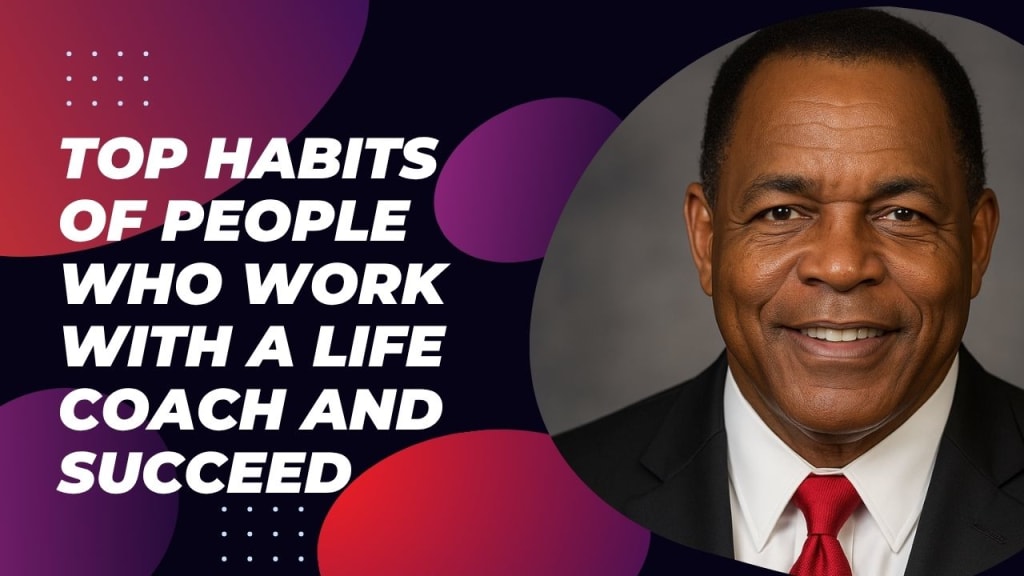
Hey there, I’m Desmond Gumbs, a life coach and motivational speaker who’s guided thousands toward their dreams, from high school athletes to corporate leaders. Success in coaching isn’t just about my strategies—it’s about the habits you bring to the table. This article shares the top habits of those who thrive in my athletic program or life coaching sessions, with sport-specific tips and stories to inspire you. Whether aiming for the podium or a better life, these habits will set you up for success.
Habit 1: Setting Clear, Sport-Specific Goals
Javier, a soccer player I coached, wanted to “get better.” Vague goals lead to ambiguous results. After setting a target to score five goals in a season, he netted seven. As I teach in my athletic program, clear goals drive focus, whether you’re a swimmer aiming for a personal best or a student seeking better grades.
How to Cultivate It: Define SMART goals—e.g., a basketball player might aim to sink 80% of free throws in two months. Review them biweekly with your coach. Parents: Help your child craft specific goals, like improving their 100-meter dash time, and celebrate milestones.
Habit 2: Embracing Accountability
I worked with a gymnast, Chloe, who missed workouts until we set weekly check-ins. Accountability turned her inconsistency into a state championship run. Successful clients own their progress, using their sports coach as a partner.
How to Cultivate It: Schedule biweekly calls with your coach. Track actions in a journal—sets for weightlifters, laps for swimmers. Parents: Encourage your child to share their progress with their coach and check on their commitments.
Habit 3: Practicing Self-Reflection
Reflection builds self-awareness, a core principle I emphasize as a life coach and motivational speaker.
How to Cultivate It: Journal for 10 minutes daily—tennis players note shot accuracy, runners log energy levels. Discuss insights with your coach. Parents: Prompt your child to reflect on practices by asking, “What went well today?”
Habit 4: Adopting a Growth Mindset
When I coached a wrestler, Tara, she saw losses as failures until we reframed them as lessons. A growth mindset helped her win regionals. This mindset is vital for sports like wrestling or academic challenges.
How to Cultivate It: View setbacks as growth opportunities. After a bad swim meet, analyze strokes rather than dwell on times. Read Mindset by Carol Dweck. Parents: Praise your child’s effort, not just wins, to foster resilience.
Habit 5: Taking Consistent Action
A runner, Sam, transformed his 5K time by training four days a week without fail. Consistency compounds results, whether spiking in volleyball or studying for exams.
How to Cultivate It: Build a routine—three weekly practices for soccer and five for track. Use apps to track progress. Parents: Create a weekly schedule with your child, balancing sports and schoolwork.
Habit 6: Seeking and Acting on Feedback
A basketball player, Nina, improved her defense after acting on my feedback about footwork. Clients who seek input from their sports coach accelerate growth, whether refining a golf swing or leadership skills.
How to Cultivate It: Ask for specific feedback—golfers on swing mechanics, swimmers on breathing. Implement one change at a time. Parents: Encourage your child to ask their coach for tips and follow through.
Habit 7: Prioritizing Self-Care
I coached a cyclist, Leo, who burned out from poor sleep. After prioritizing rest and nutrition, his endurance soared—self-care fuels performance in sports like cycling or academic pursuits.
How to Cultivate It: Sleep 7–9 hours, eat balanced meals (oats for runners, protein for wrestlers), and meditate for 5 minutes. Parents: Ensure your child gets enough rest and healthy meals, especially during intense training.
Habit 8: Building a Support Network
A volleyball player, Emma, thrived after joining a supportive team, boosting her confidence. Community enhances success in team sports like volleyball or solo endeavors like public speaking.
How to Cultivate It: Join a sports club or study group. Engage with your coach for connections. Parents: Enroll your child in team activities and attend games to show support.
Habit 9: Staying Adaptable
When a swimmer, Priya, faced a schedule change, we adjusted her training to focus on technique. Adaptability keeps you on track, whether in swimming or career planning.
How to Cultivate It: Review goals monthly with your coach. Be open to new strategies, like cross-training for runners. Parents: Help your child adjust to changes, like new coaches, with a positive attitude.
Habit 10: Celebrating Small Wins
A hurdler, Malik, stayed motivated by celebrating each improved time, leading to a personal record. Recognizing wins fuels momentum in sports like track or personal growth.
How to Cultivate It: Log small victories—better serve accuracy for tennis players, faster splits for runners, and share them with your coach. Parents: Celebrate your child’s progress, like a new skill, with praise or small rewards.
Supporting Your Child’s Coaching Journey
Parents, your support is crucial. Attend your child’s sessions or games to show interest, but avoid micromanaging. Collaborate with their Athletic Director to align goals. Help balance sports and academics with a clear schedule, ensuring time for rest and homework. Foster open communication to address setbacks and keep motivation high.
Conclusion
Success with a coach like me, Desmond Gumbs, comes from habits like clear goal-setting, accountability, reflection, and self-care. My clients, from sprinters to executives, thrive by embracing these practices. Whether you’re a swimmer, wrestler, or student, adopt these habits to unlock your potential. Parents, support your child with encouragement and structure. Start today by picking one habit—like journaling or scheduling a coaching session—and take the first step toward greatness.
About the Creator
Meet Desmond Gumbs: The Driving Force Behind Lincoln Football
Desmond Gumbs is the head football coach at Lincoln University in California. He is dedicated to making the football team even better and has a lot of experience. He leads with passion, shaping players into champions.
Keep reading
More stories from Meet Desmond Gumbs: The Driving Force Behind Lincoln Football and writers in Journal and other communities.
Step-by-Step Guide to Setting Real Goals for Future Athletes
Whether lacing up for your first track meet or grinding toward a college scholarship, setting the right goals can make all the difference. We are channeling the wisdom of Desmond Gumbs, a seasoned life coach and motivational speaker who’s guided countless athletes to success. As a sports coach and former athletic director, he’s all about blending discipline, focus, and heart to help you achieve your dreams. This guide is for young and intermediate athletes ready to take their game to the next level with a practical, no-nonsense approach to goal-setting. Let’s dive into a step-by-step plan that’s less about hype and more about real, actionable progress.
By Meet Desmond Gumbs: The Driving Force Behind Lincoln Football7 months ago in Journal
What I Noticed When Light Stopped Feeling Sharp
I never would have described the light around me as a problem. It was bright enough. Clean. Modern. Exactly what you expect in a well designed indoor space. If someone had asked me whether the lighting felt uncomfortable, I probably would have said no.
By illumipure4 days ago in Journal



Comments
There are no comments for this story
Be the first to respond and start the conversation.