
Step-by-Step Guide to Setting Real Goals for Future Athletes
Desmond Gumbs

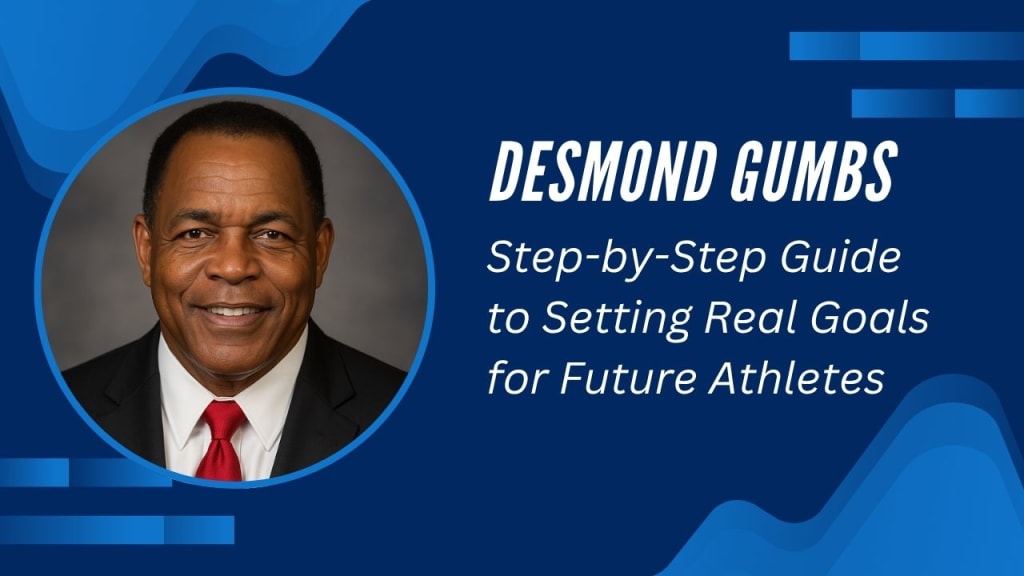
Whether lacing up for your first track meet or grinding toward a college scholarship, setting the right goals can make all the difference. We are channeling the wisdom of Desmond Gumbs, a seasoned life coach and motivational speaker who’s guided countless athletes to success. As a sports coach and former athletic director, he’s all about blending discipline, focus, and heart to help you achieve your dreams. This guide is for young and intermediate athletes ready to take their game to the next level with a practical, no-nonsense approach to goal-setting. Let’s dive into a step-by-step plan that’s less about hype and more about real, actionable progress.
Why Goal-Setting Is a Game-Changer
Goals aren’t just dreams—they’re your roadmap to success. Without them, you’re like a runner on a track with no finish line. With his years of experience in athletic programs, Desmond Gumbs emphasizes that clear goals keep you focused, motivated, and ready to tackle challenges. They help you prioritize what matters, whether nailing a new skill or building mental toughness. This structure is crucial for young athletes to stay on track amidst school, practice, and life’s chaos. Compared to generic self-help advice, like lists on sites like MindTools, this guide leans into the athletic mindset, blending physical and mental strategies tailored for sports.
Focus Fuels Progress
Clear goals sharpen your focus. A basketball player aiming to boost their three-point shooting percentage will train differently from one working on defensive skills. Desmond Gumbs’ approach as a life coach and motivational speaker highlights aligning your goals with what drives you—your passion for the game. This isn’t just about checking boxes but creating a vision that lights a fire in you.
Resilience Through Milestones
Setbacks, like a missed shot or a tough loss, are part of the journey. Goals give you something to hold onto when things get rough. By setting smaller milestones, you can track progress and stay motivated, even when the big win feels far off. Unlike broader goal-setting frameworks (e.g., James Clear’s emphasis on habits), this guide focuses on athletic-specific resilience, drawing from sports coaching principles to help you bounce back stronger.
Step 1: Picture Your Big Win
Start by asking yourself: What’s your ultimate goal? Maybe it’s starting on your varsity team, earning a spot in a top athletic program, or hitting a personal record in the 100-meter dash. Desmond Gumbs encourages athletes to dream big but keep it real. Your vision should excite you, but be grounded in what you want to work for.
Get Specific: Instead of “I want to be great,” try “I want to qualify for the state championships in swimming by next season.”
Visualize It: Spend a few minutes each day imagining your success—feel the crowd, hear the whistle. This mental exercise, rooted in sports psychology, primes your brain for action.
This step sets the foundation. Unlike generic advice on sites like Forbes, which often focuses on corporate goals, this approach is tailored for athletes and emphasizes visualization to harness your competitive drive.
Step 2: Break It Down into Bite-Sized Goals
Big dreams need small steps. With his sports coaching expertise, Desmond Gumbs swears by the SMART goal framework—Specific, Measurable, Attainable, Relevant, Time-Bound. Let’s say you’re a soccer player aiming to play college ball. Your short-term goals might include improving your ball control or increasing stamina.
Example for a Runner: “Run a 5K in under 20 minutes by June” (specific, measurable, time-bound) versus “get faster” (vague).
Sport-Specific Twist: Tailor goals to your sport. A swimmer might focus on stroke efficiency (e.g., “reduce my 50m freestyle time by 2 seconds”), while a football player might target tackling form (e.g., “complete 20 perfect tackles in practice each week”).
Compared to resources like Goal cast, which offer broad motivational tips, this guide provides sport-specific clarity, ensuring your goals match the demands of your athletic program.
Step 3: Face Your Obstacles Head-On
Every athlete hits roadblocks—self-doubt, injuries, or lack of time. Desmond Gumbs’ life coaching philosophy is all about tackling these head-on. Instead of letting barriers derail you, anticipate them and plan your counterattack.
Mental Blocks: Are you struggling with confidence? Try a daily affirmation like “I’m strong, focused, and improving every day.” Gumbs often uses this with athletes to rewire negative thinking.
Physical Hurdles: If injuries are an issue, work with a sports coach to adjust your training, prioritizing recovery drills like foam rolling or low-impact conditioning.
Time Crunch: Got a packed schedule? Block out 30-minute windows for high-intensity workouts to maximize efficiency.
Unlike generic advice on platforms like Lifehacker, which might suggest time-blocking for general productivity, this guide offers sport-specific solutions, like recovery techniques tailored for athletes.
Step 4: Build Your Crew
You don’t win alone. Drawing from his athletic director experience, Desmond Gumbs knows the power of a support system. Your crew—coaches, teammates, family—keeps you accountable and motivated.
Find a Mentor: A sports coach can help you understand your technique and set realistic milestones. If you can’t access one, online platforms like YouTube offer drills from pros.
Team Up: Join an athletic program or club to train with others who share your goals. The camaraderie pushes you harder.
Track It: Use apps like Strava for running or MyFitnessPal for nutrition to log progress and stay on course.
This step goes beyond generic team-building advice (e.g., Harvard Business Review’s focus on workplace collaboration) by emphasizing athletic-specific support systems, like leveraging team dynamics in sports.
Step 5: Stay Committed, Stay Flexible
Discipline is your superpower, but flexibility is your secret weapon. Desmond Gumbs stresses consistency builds champions, but life throws curveballs—missed practices, injuries, or unexpected commitments. Build a routine, but be ready to adapt.
Create a Routine: Schedule training, rest, and mental prep (e.g., 10 minutes of mindfulness daily). A sample week might include 4 days of practice, 2 days of strength training, and one rest day.
Adapt When Needed: If an injury sidelines you, shift to mental conditioning or light mobility work. Gumbs’ mantra: “Pivot, don’t quit.”
Compared to James Clear’s Atomic Habits, which focuses on habit loops, this guide tailors discipline to the unpredictable nature of athletic training, offering practical ways to stay on track.
Step 6: Track and Celebrate Your Wins
Progress fuels motivation. Desmond Gumbs encourages athletes to measure their growth and celebrate every step forward, no matter how small. Have you hit a new personal best or mastered a tricky move? That’s worth celebrating.
Measure Progress: Log your stats—times, reps, or scores—in a notebook or app. For example, a tennis player might track first-serve accuracy weekly.
Celebrate Milestones: Reward yourself with something meaningful, like new gear or a recovery day with friends.
Reflect Weekly: Spend 10 minutes reviewing what worked and what didn’t. Adjust your goals to keep them relevant.
Unlike generic productivity blogs (e.g., Fast Company), this guide emphasizes sport-specific metrics and celebrations that resonate with athletes.
Deepening Your Mental Game
Goal-setting isn’t just about physical skills—it’s about your mind. As a life coach and motivational speaker, Desmond Gumbs integrates mental conditioning into his coaching. Here’s how to level up your mental game:
Mindfulness Practice: Before practicing, try a 5-minute breathing exercise to calm nerves and boost focus. Inhale for 4 seconds, hold for 4, and exhale for 4.
Visualization: Picture yourself succeeding—nailing a free kick or crossing the finish line. Do this nightly to build confidence.
Journaling: Write about one thing you improved daily and one area you need to work on. This will keep you grounded and growth-focused.
These techniques, inspired by sports psychology resources like Verywell Mind, are practical and tailored for athletes, unlike the broader mindfulness tips found elsewhere.
Team Dynamics for Collective Wins
If you’re in a team sport, your goals aren’t just about you. Desmond Gumbs’ athletic director experience highlights the team kinship's power. Set collective goals, like improving passing accuracy as a soccer team or boosting team morale through regular check-ins. Communicate openly with teammates and align on shared objectives. This approach, rooted in sports coaching, amplifies individual efforts and builds a winning culture, unlike generic team-building advice that overlooks athletic contexts.
Conclusion: Your Journey Starts Now
Setting tangible goals as an athlete is about clarity, commitment, and resilience. Desmond Gumbs’ blend of life coaching and sports coaching wisdom offers a roadmap to turn your dreams into reality. Picture your big win, break it into steps, tackle obstacles, build your crew, stay disciplined, and celebrate every milestone. Whether sprinting toward a personal best or aiming for a pro contract, this guide is your playbook for success.
About the Creator
Meet Desmond Gumbs: The Driving Force Behind Lincoln Football
Desmond Gumbs is the head football coach at Lincoln University in California. He is dedicated to making the football team even better and has a lot of experience. He leads with passion, shaping players into champions.
Keep reading
More stories from Meet Desmond Gumbs: The Driving Force Behind Lincoln Football and writers in Journal and other communities.
How Coaching Styles Shape an Athlete’s Performance
When you think of a great athlete, you often imagine strength, skill, and speed. But behind every successful athlete is a coach who helped shape their journey. Take Desmond Gumbs, for example. As the sports coach, he brings more than just strategy to the game. His passion and leadership have helped many young players grow not just on the field, but in life.
By Meet Desmond Gumbs: The Driving Force Behind Lincoln Football7 months ago in Journal
The goals I did not achieve
Every writing goal I made for the year is a wash. It has been this way for a while, but I think it's important to be open about my failures and the reality of how life can get in the way. This is especially true considering the several times I have posted on Vocal about my writing goals, how I was changing my approach, and where I was hoping to be for the upcoming year. I will probably do that again in a couple months, but for now, it is time to acknowledge where I am today.
By Kay Husnick25 days ago in Journal
How do I Become a Mobile App Developer in 2026
The path to becoming a mobile app developer has changed. It has shifted from mastery of syntax to Entity Accountability. It now focuses on high-level architecture stewardship. The shift occurred within a post-generative development economy. In 2026, the barrier to entry is no longer writing code. The new barrier is validating the integrity of systems. You must also validate the security of AI-mediated discovery systems.
By Del Rosario6 days ago in Journal


Comments
There are no comments for this story
Be the first to respond and start the conversation.