
Top 5 How to Get Internet in Europe for Travelers
Stay Connected Abroad: Best Internet Options

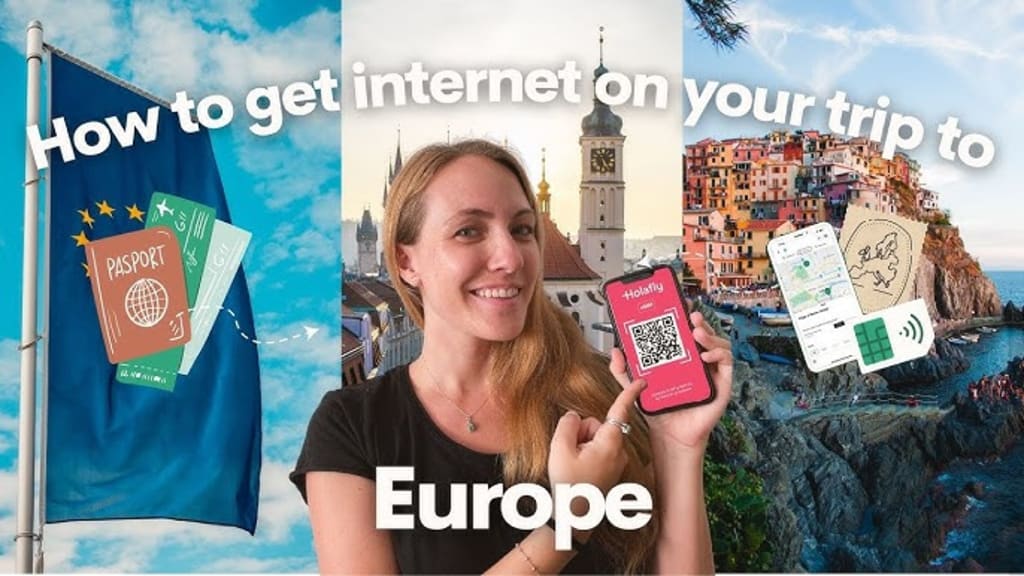
Europe, with its rich history, diverse cultures, and stunning landscapes, is a dream destination for many. Staying connected while exploring this vast continent is essential for navigation, communication, and sharing your experiences. This guide provides a comprehensive overview of the best ways to get mobile internet access in Europe, catering specifically to the needs of travelers. From traditional SIM cards to the innovative eSIM technology, we'll cover all the options, helping you choose the best solution for your European adventure.
1. Local SIM Cards: A Reliable Option
Purchasing a local SIM card upon arrival in Europe is a long-standing and reliable method for staying connected. This involves visiting a mobile operator's store or a kiosk at the airport or in city centers.
Pros: Local SIM cards often offer competitive data rates and good coverage within the country.
Cons: Requires some effort to find a store and purchase a SIM. You'll also have a different phone number temporarily.
2. Pocket WiFi: Portable Connectivity
Pocket WiFi devices create a personal WiFi hotspot, allowing you to connect multiple devices (phones, laptops, tablets) to the internet.
Pros: Convenient for connecting multiple devices and can be more cost-effective than individual SIM cards for groups.
Cons: Requires carrying an extra device and ensuring it stays charged. Data speeds can vary depending on the provider and location.
3. Roaming: Convenient but Potentially Expensive
Using your home country's mobile plan while in Europe is the easiest option, but it can be significantly more expensive. Check with your provider about their roaming rates before your trip.
Pros: No need to change SIM cards or purchase a new plan.
Cons: High roaming charges can quickly accumulate, making it an unsuitable option for extended trips or heavy data users.
4. Public Wi-Fi: Free but Limited
Free Wi-Fi hotspots are available in many cafes, restaurants, hotels, and public spaces across Europe.
Pros: Free and readily available in many locations.
Cons: Security risks associated with public Wi-Fi networks. Connection speeds can be slow and unreliable. Not suitable for data-intensive tasks.
Choosing the Best Option for You:
The best way to get internet in Europe depends on your individual needs and travel style. Consider the following factors:
Trip Duration: For short trips, eSIMs or pocket WiFi offer convenience. For longer stays, a local SIM card might be more cost-effective.
Data Usage: Heavy data users should consider eSIMs with unlimited data or local SIM cards with generous data allowances.
Number of Devices: If you need to connect multiple devices, pocket WiFi is a good option.
Budget: Compare the costs of different options, including data rates, roaming charges, and device rental fees.
Staying Safe Online While Traveling:
Regardless of your chosen internet connection method, prioritize online safety:
Use a VPN: A Virtual Private Network encrypts your internet traffic, protecting your data from hackers and snoopers, especially on public Wi-Fi.
Be cautious of phishing scams: Avoid clicking on suspicious links or entering personal information on unsecured websites.
Keep your software updated: Ensure your devices have the latest security updates to protect against vulnerabilities.
5. eSIM: The Modern Traveler's Choice
eSIMs (embedded SIMs) are a revolutionary technology that eliminates the need for physical SIM cards. They are digitally embedded in your compatible device (smartphone, tablet, some laptops), allowing you to activate a data plan directly from a provider. For travelers, eSIMs offer several compelling advantages:
Convenience: No need to search for local SIM cards upon arrival, swap SIMs, or worry about losing a physical card. Activate your eSIM before you even leave home, or easily switch providers while traveling.
Flexibility: eSIMs allow you to easily switch between providers and plans, giving you the freedom to choose the best option for each country or region you visit.
Dual SIM Functionality: Many devices support both an eSIM and a physical SIM, allowing you to keep your home number active for calls and texts while using the eSIM for data.
Cost-Effective: eSIM plans can often be more affordable than traditional roaming options or local SIM cards, especially for shorter trips.
Finding the Right eSIM Provider:
Numerous providers offer eSIM plans specifically designed for travel in Europe. Some popular options include:
Airalo: Known for its regional and global data packages, Airalo offers flexible data plans at competitive prices.
Gigago: Connect to the internet anytime, anywhere, providing eSIM in over 200 countries
Holafly: Provides eSIMs with unlimited data options, making it a good choice for heavy data users.
Nomad: Offers a pay-as-you-go model, allowing you to control your spending and only pay for the data you use.
Local Providers: Some European mobile operators also offer eSIM plans, which can be a good option for longer stays in a specific country.
>> See more: How to Get an eSIM in Europe: A Traveler's Guide
By carefully considering your needs and exploring the available options, you can ensure seamless connectivity throughout your European adventure. Enjoy your trip!
About the Creator
europe-esim
europe-esim.com is your ticket to seamless connectivity across European countries. Enjoy fast data speeds, affordable rates, and hassle-free setup with our easy-to-use eSIM. Website:
Keep reading
More stories from europe-esim and writers in Journal and other communities.
List of Mobile Operators in Europe for tourist
Staying connected while traveling or living in Europe is essential in today's world. This comprehensive guide navigates the diverse landscape of mobile operators across the continent, providing insights into their history, network performance, coverage areas, and the range of services they offer. Choosing the right mobile operator can significantly impact your communication experience, so understanding the key players is crucial.
By europe-esimabout a year ago in Journal
Tragedy on the Tracks: What We Know About a Fatal Railway Incident and the Questions It Raises
A fatal incident on a busy railway line has left passengers traumatised and authorities searching for answers, after two people were killed by an oncoming train in full view of commuters. The tragedy has sparked intense public reaction—not only because of its sudden violence, but also because of how quickly partial details spread online before official information was confirmed.
By Aarif Lasharia day ago in Journal



Comments
There are no comments for this story
Be the first to respond and start the conversation.