
Tragedy on the Tracks: What We Know About a Fatal Railway Incident and the Questions It Raises
How a shocking death highlights rail safety, mental health, and the dangers of rushed narratives
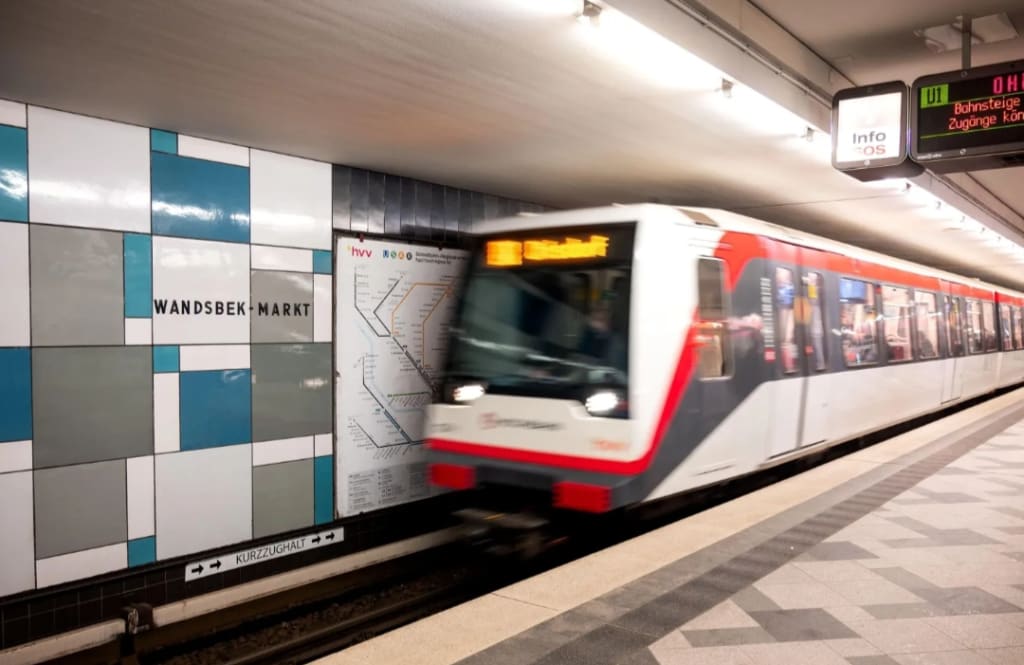
A fatal incident on a busy railway line has left passengers traumatised and authorities searching for answers, after two people were killed by an oncoming train in full view of commuters. The tragedy has sparked intense public reaction—not only because of its sudden violence, but also because of how quickly partial details spread online before official information was confirmed.
As investigators work to establish exactly what happened, the case has reignited broader conversations about rail safety, crisis intervention, and the responsibility of media and social platforms in reporting sensitive events.
What Authorities Have Confirmed So Far
Emergency services were called to the scene following reports of individuals on the tracks shortly before a scheduled train passed through the station. Despite immediate response efforts, both individuals were pronounced dead at the scene.
Police have stated that the incident is being treated as non-terror-related, and that a full investigation—including CCTV review and witness statements—is ongoing. Officials have urged the public to avoid speculation while facts are established.
Passengers who witnessed the event have been offered counselling and support services.
The Human Impact on Witnesses
Railway incidents are uniquely traumatic because they often unfold suddenly and in public. Passengers who witnessed the event described scenes of confusion, panic, and shock as emergency services arrived and services were halted.
Mental health experts note that exposure to sudden death—even briefly—can have lasting psychological effects. Transport authorities routinely work with crisis-response teams to provide immediate care, but the emotional toll can extend long after normal service resumes.
Rail Safety and Preventative Measures
This tragedy has renewed calls for stronger preventative systems across rail networks, including:
Improved platform barriers
Faster emergency shutdown protocols
Expanded mental health crisis teams near major stations
Public awareness campaigns encouraging intervention and reporting
In recent years, several countries have invested heavily in physical and psychological safety measures, but incidents continue to highlight gaps—especially during peak travel hours.
The Danger of Early Headlines
One of the most troubling aspects of this case has been how quickly incomplete or emotionally charged descriptions circulated online before investigators had released confirmed findings.
Media ethics experts warn that early framing can:
Distort public understanding
Stigmatise individuals or groups
Cause further harm to families and communities
Undermine trust in factual reporting
Responsible journalism focuses on what is known, what is not, and why caution matters—especially in cases involving death.
Avoiding Harmful Narratives
Authorities have explicitly cautioned against drawing conclusions about motive or responsibility before investigations are complete. Experts emphasise that violent incidents in public spaces are often complex, involving factors such as mental health crises, substance use, or sudden disorientation.
Reducing such tragedies to identity labels or assumptions does not aid understanding—and can actively worsen social tensions.
Supporting Those Affected
Rail operators have confirmed that:
Victim support services are in contact with families
Counselling is available to witnesses and staff
Staff involved have been relieved from duties pending support
Public health officials encourage anyone distressed by the incident—even if they were not present—to seek support, noting that repeated exposure to graphic news can also be harmful.
What Happens Next
The investigation is expected to take several weeks. Findings will likely address:
Timeline of events
Opportunities for intervention
Safety infrastructure performance
Recommendations to prevent future incidents
Until then, officials continue to ask for patience, accuracy, and compassion.
Why Responsible Reporting Matters
Incidents like this test how societies process tragedy. The choices made by media outlets, social platforms, and readers alike determine whether public discussion leads to understanding—or division.
By prioritising verified facts, avoiding sensationalism, and centring human impact over shock value, coverage can honour those lost while contributing to safer systems for the future.
Conclusion
The loss of life on the railway is a profound tragedy that has shaken passengers, families, and communities. While investigations continue, one thing is clear: how we talk about such events matters.
Compassion, accuracy, and restraint are not just journalistic standards—they are public responsibilities.
About the Creator
Keep reading
More stories from Aarif Lashari and writers in Journal and other communities.
London Metal Exchange Resumes Trade After One-Hour Delay
The London Metal Exchange (LME), the world’s largest and most influential marketplace for industrial metals, resumed trading yesterday after experiencing a one-hour delay that briefly disrupted market operations. The exchange, which handles billions of dollars in transactions daily, confirmed that normal trading resumed smoothly, reassuring investors and market participants.
By Aarif Lashariabout 11 hours ago in Journal
SnapTik and TikTok: Navigating Video Downloads and Platform Policies
TikTok has redefined short-form video entertainment, captivating audiences worldwide with its mix of music-synced dances, quick tutorials, life hacks, comedy sketches, and personal vlogs. The app's vertical format and powerful recommendation system make it easy to lose hours scrolling through creative clips. Millions upload content daily, sharing moments from everyday life to professional productions, often set to trending sounds or original audio.
By Eliana Daisy3 days ago in Journal




Comments
There are no comments for this story
Be the first to respond and start the conversation.