
Top 10 protein rich Food
protein rich food by bluepicks


Protein is an essential nutrient for growth and development in children. It helps build and repair tissues, produce enzymes, hormones, and antibodies, and supports a strong immune system. Consuming adequate amounts of protein can also help children maintain a healthy weight, improve concentration, and support overall health. There are many delicious and nutritious protein-rich foods that can be incorporated into a child's diet, such as eggs, dairy products, meat, poultry, fish, beans, nuts, and seeds. Encouraging children to eat a varied and balanced diet that includes protein-rich foods can help ensure they get all the essential nutrients they need for healthy growth and development.
Here are the top 10 protein-rich foods for kids:
1. Eggs

Eggs are a great source of protein for kids. One large egg contains about 6 grams of protein and is a good source of essential vitamins and minerals, including vitamin D, B12, and choline. Eggs can be cooked in various ways, making them a versatile and delicious food option for kids. They can be boiled, fried, scrambled, or baked into dishes like omelets and frittatas. Additionally, eggs are a convenient and quick food option, making them a great choice for busy mornings or as a quick snack.
2. Milk and dairy products
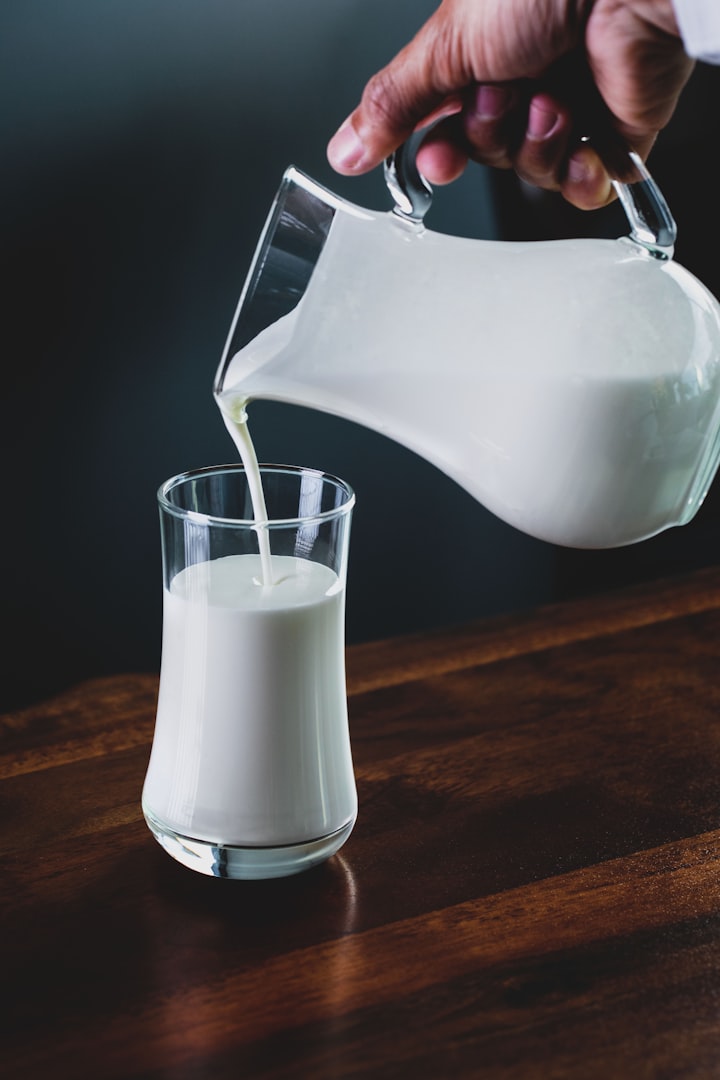
Milk and dairy products are excellent sources of protein for kids. One cup of milk contains about 8 grams of protein, and dairy products like yogurt and cheese are also high in protein. Milk and dairy products are also a good source of calcium, which is important for strong bones and teeth. Some dairy products, like yogurt, also contain probiotics, which support gut health. There are many varieties of milk and dairy products available, so children can easily find options that they enjoy. For example, low-fat milk, flavored milks, and yogurt in different flavors are popular options among kids. Incorporating milk and dairy products into a child's diet can be as simple as drinking a glass of milk with breakfast or having a yogurt as a snack.
3. Chicken and turkey
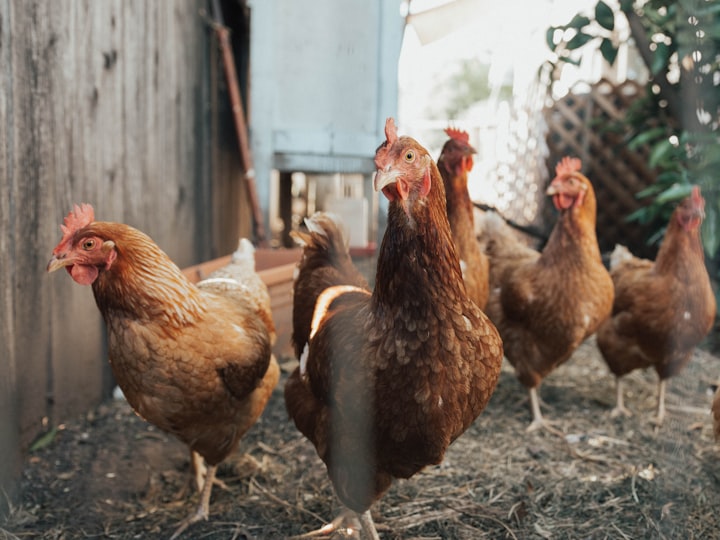
Chicken and turkey are excellent sources of protein for kids. Chicken breast, for example, is a lean source of protein and provides about 26 grams of protein per 3.5 ounces (100 grams). Turkey is also a good source of protein, with about 25 grams of protein per 3.5 ounces (100 grams). Both chicken and turkey can be cooked in a variety of ways, making them versatile options for meals. Grilled, baked, or roasted chicken and turkey are healthy cooking methods that can be served as a main dish or added to salads and sandwiches. These meats are also a good source of other essential nutrients, including iron, zinc, and vitamin B6. By incorporating chicken and turkey into a child's diet, they can easily get the protein they need to support growth and development.
4. Fish

Fish is a nutritious source of protein for kids. Fish like salmon, tuna, and tilapia contain high levels of omega-3 fatty acids, which support brain and heart health. Additionally, fish is a good source of protein, with about 21 grams of protein per 3.5 ounces (100 grams) of salmon, for example. Fish can be baked, grilled, or steamed, and there are many kid-friendly fish recipes, such as fish sticks and fish tacos, that can make fish a fun and delicious food option for kids. Incorporating fish into a child's diet a couple of times a week can help them get the protein and other essential nutrients they need for healthy growth and development.
5. Nuts and seeds
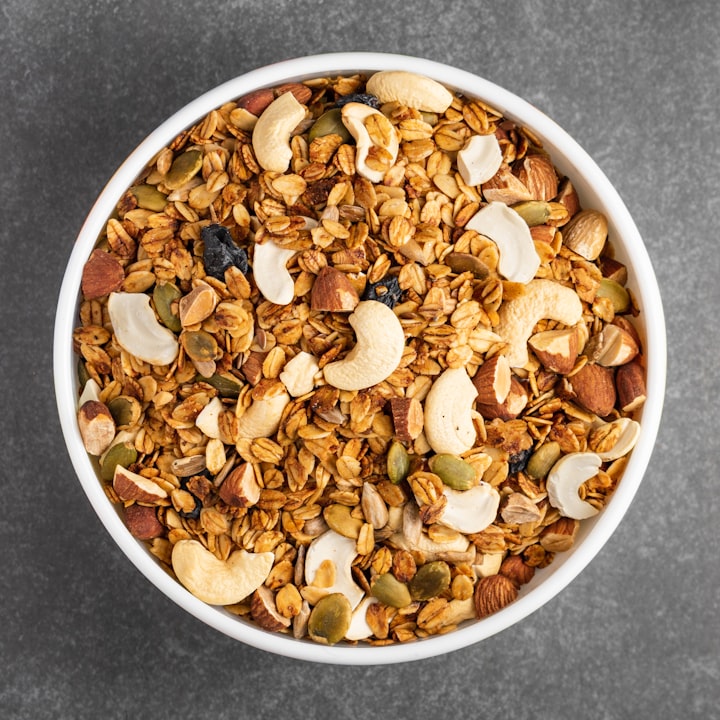
Nuts and seeds are a healthy source of protein for kids. Almonds, for example, contain about 6 grams of protein per 1/4 cup (28 grams), and pumpkin seeds contain about 9 grams of protein per 1/4 cup (28 grams). Nuts and seeds are also a good source of healthy fats, fiber, and other essential nutrients. They can be eaten as a snack, added to yogurt or oatmeal, or used as a topping for salads. Some nut butters, like peanut butter and almond butter, are also high in protein and can be spread on whole-grain toast or crackers for a healthy snack. By incorporating nuts and seeds into a child's diet, they can get the protein and other nutrients they need to support healthy growth and development.
6. Lentils and beans
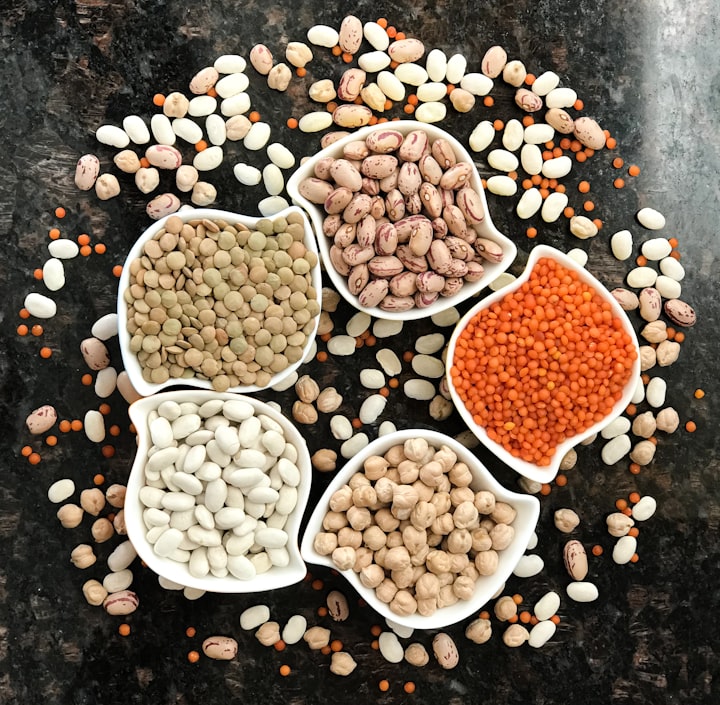
Lentils and beans are excellent plant-based sources of protein for kids. Lentils, for example, contain about 9 grams of protein per 1/2 cup (100 grams) cooked, and black beans contain about 8 grams of protein per 1/2 cup (100 grams) cooked. Lentils and beans are also a good source of fiber, iron, and other essential nutrients. They can be added to soups, stews, salads, and casseroles, or used as a base for dips like hummus. Incorporating lentils and beans into a child's diet can help provide the protein and other essential nutrients they need for healthy growth and development, and can also add variety to their meals.
7. Peanut butter

Peanut butter is a nutritious source of protein for kids. Two tablespoons of peanut butter contain about 8 grams of protein, making it a good source of protein for kids. Peanut butter is also a good source of healthy fats and fiber. It can be spread on whole-grain toast or crackers for a snack, used as a topping for oatmeal or yogurt, or added to smoothies for a protein boost. Peanut butter is a versatile food that kids often enjoy, making it an easy way to add protein to their diet. Just keep in mind that peanut butter can be high in calories, so it's important to use it in moderation as part of a balanced diet.
8. Quinoa
Quinoa is a nutritious grain that is a good source of protein for kids. One cup of cooked quinoa contains about 8 grams of protein. Quinoa is also a good source of fiber, iron, and other essential nutrients. It can be used as a base for salads, added to soups and stews, or served as a side dish. Quinoa is a versatile food that can be flavored in many different ways, making it a tasty and nutritious option for kids. Additionally, quinoa is a complete protein, which means it contains all of the essential amino acids that the body needs. Incorporating quinoa into a child's diet can help provide the protein and other essential nutrients they need for healthy growth and development.
9. Tofu
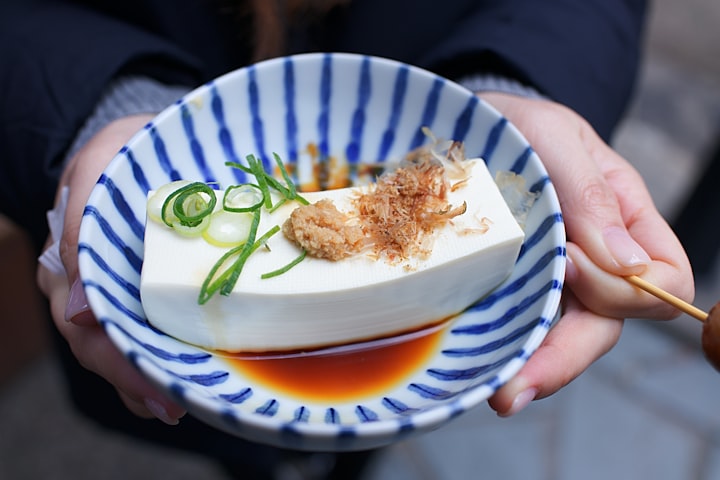
Tofu is a nutritious source of protein for kids. One cup of tofu contains about 10 grams of protein. Tofu is also a good source of iron and calcium. It is made from soybeans and is a versatile food that can be flavored in many different ways. Tofu can be stir-fried, grilled, or added to soups and stews. It can also be blended into smoothies or used as a substitute for meat in vegetarian dishes. Tofu is a good source of protein for kids who are vegetarian or vegan, and it can help provide the protein and other essential nutrients they need for healthy growth and development.
10. Greek yogurt
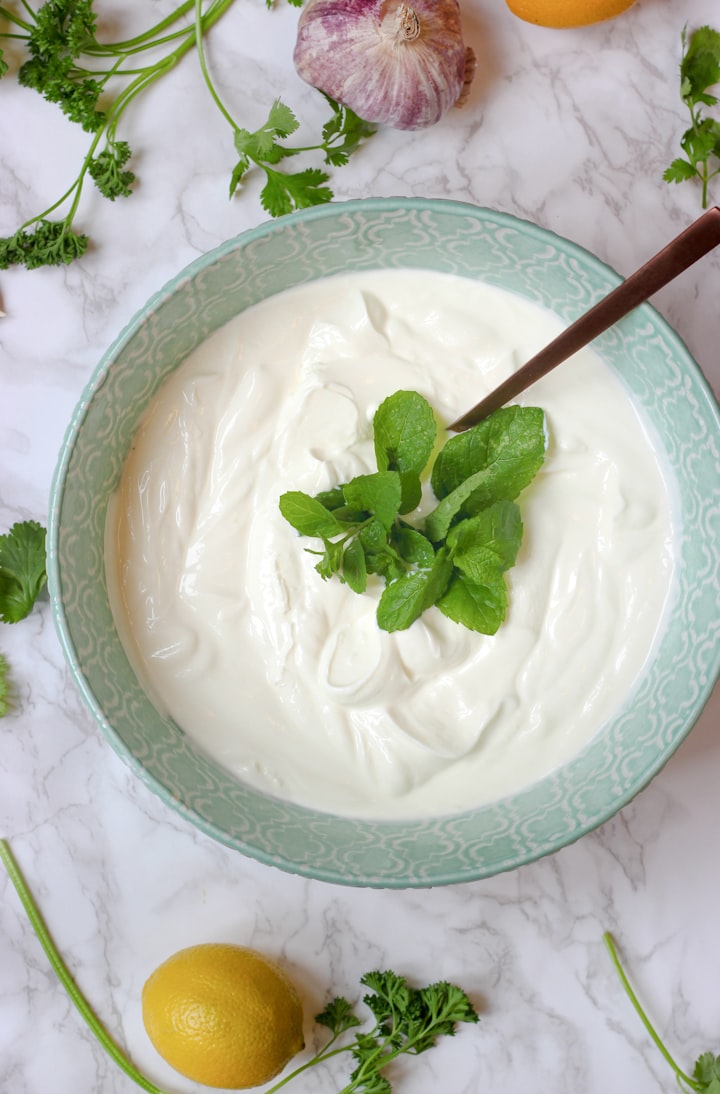
Greek yogurt is a nutritious source of protein for kids. One cup of Greek yogurt contains about 17-20 grams of protein, making it a good source of protein for kids. Greek yogurt is also a good source of calcium and other essential nutrients. It can be eaten as a snack, used as a base for dips, or added to smoothies and baked goods. Greek yogurt is a creamy and tasty food option that kids often enjoy, and it's a good way to add protein to their diet. Just be mindful of the sugar content in flavored varieties, and opt for plain or low-fat Greek yogurt to keep sugar and calorie intake in check.
In conclusion, incorporating protein-rich foods into a child's diet is important for healthy growth and development. Foods like eggs, milk and dairy products, chicken and turkey, fish, nuts and seeds, lentils and beans, peanut butter, quinoa, tofu, and Greek yogurt are all excellent sources of protein for kids. These foods can provide the protein and other essential nutrients that kids need to support their growth, build strong muscles and bones, and maintain good health. It's important to offer a variety of protein-rich foods to ensure that kids get a mix of nutrients, and to make mealtime fun and exciting for them. By including these protein-rich foods in their diet, parents can help support their child's health and well-being.

About the Creator
Bluepicks
Just some Indian Stuffs
How to Manage Diabetes with Ayurvedic Wisdom
While modern medicine manages the symptoms of diabetes, Ayurveda treats the whole system. Rather than viewing you as a list of charts, it sees a living ecosystem. Many Ayurveda Hospitals in Sri Lanka utilise this ancient text, which refers to this condition as Prameha, derived from a sluggish Agni, or metabolic fire. Balancing blood sugar naturally is about more than carb counting; it’s about reigniting that inner fire. Here is an evidence-based way to integrate this ancient wisdom into your daily life.
By Jeewanthi Armstrong6 days ago in Journal



Comments
There are no comments for this story
Be the first to respond and start the conversation.