
The Unresolved Question of the Assassinations of JFK and RFK
Debates and Controversies Surrounding the Identity of the Shooters
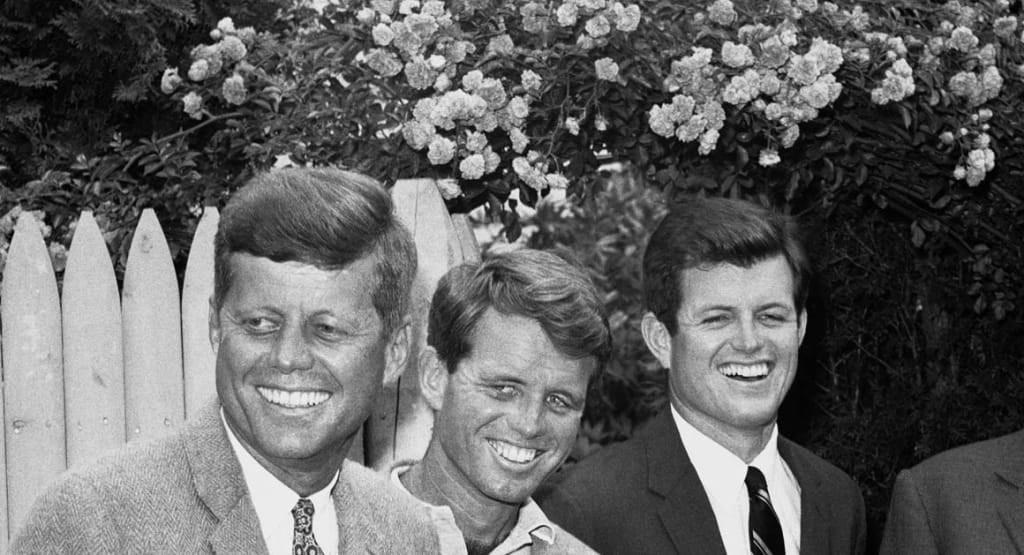
The assassinations of President John F. Kennedy (JFK) and his younger brother, Senator Robert F. Kennedy (RFK), have long been the subject of intense scrutiny and speculation. Despite numerous investigations, official reports, and books written on the subject, the question of who was responsible for these tragedies remains a topic of debate and controversy. This thesis article will provide a comprehensive overview of the available evidence and arguments surrounding the question of who shot JFK and RFK.
The Assassination of JFK
On November 22, 1963, President John F. Kennedy was assassinated while riding in an open car during a motorcade through Dealey Plaza in Dallas, Texas. The official investigation, conducted by the Warren Commission, concluded that Lee Harvey Oswald acted alone in the shooting and that there was no evidence of a conspiracy. However, many people, including several members of the commission, have questioned this conclusion, citing a range of evidence that they believe points to a broader conspiracy.
One of the key pieces of evidence cited by conspiracy theorists is the so-called "magic bullet" theory. This theory holds that a single bullet fired by Oswald passed through both Kennedy and Texas Governor John Connally, who was seated in front of the president, before coming to rest in near-pristine condition on a hospital gurney. Critics of this theory argue that it is highly implausible, and that it would require the bullet to change direction multiple times in mid-air, which they say is not possible.
Another point of contention is the trajectory of the bullets that struck Kennedy. Some eyewitnesses have claimed that they saw shots coming from the grassy knoll area in front of the president, rather than from the Texas School Book Depository building where Oswald was located. There is also controversy surrounding the acoustic evidence that was analyzed by a team of experts in the 1970s, which some people argue supports the idea that shots were fired from multiple locations.
In addition to these issues, there are many other pieces of evidence that have been cited as pointing to a conspiracy. For example, there is the fact that Oswald had connections to various individuals and organizations that have been linked to intelligence agencies or organized crime. There is also the suspicious behavior of certain individuals, such as Jack Ruby, who shot and killed Oswald just days after the assassination.
Despite these and other factors that have led many people to question the official conclusion, there is still no definitive proof of a broader conspiracy. Some critics argue that the evidence has been suppressed or destroyed over time, while others maintain that the government has actively worked to cover up the truth. However, without concrete evidence, the question of who was behind the assassination of JFK may never be fully resolved.
The Assassination of RFK
Nearly five years after the assassination of JFK, his younger brother, Senator Robert F. Kennedy, was also gunned down. On June 5, 1968, Kennedy had just finished giving a speech in the ballroom of the Ambassador Hotel in Los Angeles when he was shot multiple times by Sirhan Sirhan, a Palestinian immigrant. Kennedy died the following day, and Sirhan was later convicted of the murder and sentenced to life in prison.
Like the assassination of JFK, the shooting of RFK has been the subject of much speculation and controversy. Some people believe that Sirhan was acting alone, while others argue that there may have been other individuals involved in the shooting. One of the key pieces of evidence cited by those who believe in a broader conspiracy is the fact that there were several witnesses who claimed to have seen a second gunman.
For example, there was a woman named Sandra Serrano who told police that she saw two men running away from the hotel after the shooting. Another witness, Nina Rhodes-Hughes, has claimed that she heard more than eight shots fired, which is more than the number that could have been fired by Sirhan's gun. Additionally, there are claims that the Los Angeles Police Department mishandled the investigation, potentially covering up evidence that could have pointed to a conspiracy.
One of the central arguments put forward by those who believe in a broader conspiracy is that Sirhan was not capable of carrying out the shooting alone. Sirhan's lawyers have argued that he was under the influence of hypnosis or some other form of mind control at the time of the shooting. Some have even suggested that Sirhan may have been a patsy, used as a cover for the real shooter or shooters.
Another important piece of evidence in the case is the autopsy report on Kennedy. The report indicates that Kennedy was shot four times, including once from behind at close range. This suggests that there may have been a second shooter, as Sirhan was standing in front of Kennedy when he fired his gun. However, some experts have challenged the findings of the autopsy, arguing that they are consistent with the theory that Sirhan acted alone.
Despite the ongoing controversy, there has been no definitive proof of a broader conspiracy in the assassination of RFK. While some new evidence has emerged in recent years, including audio recordings of the shooting, these have not been sufficient to change the official version of events. Sirhan remains in prison, and the question of who was responsible for the assassination may never be fully resolved.
Conclusion
The assassinations of JFK and RFK continue to capture the public imagination and inspire debate and speculation. Despite multiple investigations and countless books written on the subject, the question of who was behind these tragedies remains unresolved. While there is a great deal of evidence that suggests the possibility of a broader conspiracy, there is still no definitive proof of such a conspiracy. The debates and controversies surrounding these assassinations are likely to continue for many years to come, as people continue to search for the truth about what happened on those fateful days in Dallas and Los Angeles.
About the Creator
Rio Vijey
As a lifelong lover of storytelling, I am thrilled to begin my journey as a writer. I have a vivid imagination and a passion for exploring the depths of the human experience through fiction.
Understanding Competition in Your Local Market
Introduction Understanding competition in your local market is essential for building a sustainable and strategic practice or business. Competition influences pricing, service demand, referral patterns, and client expectations. Without a clear understanding of who else serves your target audience, it becomes difficult to differentiate your offerings or position your services effectively. A thoughtful analysis of local competitors helps organizations identify opportunities, refine strategy, and make informed decisions that support growth and long-term success.
By Abdul Mueed4 days ago in Journal



Comments
There are no comments for this story
Be the first to respond and start the conversation.