
The Enduring Mystery of Marilyn Monroe
Exploring the Life, Legacy, and Death of an American Icon

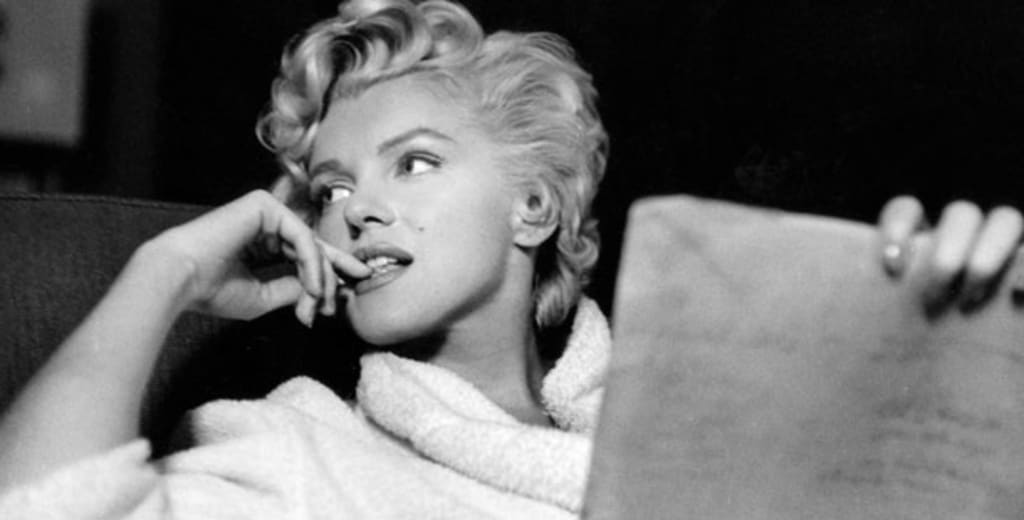
The Mystery of Marilyn Monroe: Exploring the Life and Death of a Hollywood Icon
Marilyn Monroe remains one of the most iconic figures of the 20th century, and her legacy continues to captivate and intrigue people around the world. Despite her fame and success, Monroe's life was marked by tragedy, controversy, and untimely death, which has led to numerous theories and speculations about what really happened to her. This thesis article seeks to explore the mystery of Marilyn Monroe by examining her life, career, relationships, and death, and to shed light on some of the most plausible explanations for her enigmatic legacy.
Marilyn Monroe was born Norma Jeane Mortenson on June 1, 1926, in Los Angeles, California, to a single mother who struggled with mental illness and financial instability. Monroe's childhood was marked by neglect, abuse, and frequent changes in living arrangements, which left a profound impact on her emotional and psychological development. As a teenager, Monroe married for the first time to escape her difficult home life, but the marriage was short-lived, and she soon found herself working as a model and actress to make ends meet.
Monroe's rise to fame began in the late 1940s, when she signed a contract with Twentieth Century-Fox and began to appear in small roles in films such as The Asphalt Jungle and All About Eve. However, it was her breakthrough role in Niagara (1953) that catapulted her to stardom and made her a household name. Monroe's iconic image, with her blonde hair, curvy figure, and seductive charm, became synonymous with sex appeal and Hollywood glamour, and she quickly became one of the most sought-after actresses of her time.
Despite her success, Monroe's personal life was fraught with turmoil and instability. She married three times, including to baseball legend Joe DiMaggio and playwright Arthur Miller, but all of her marriages ended in divorce. Monroe also struggled with mental health issues, including depression, anxiety, and addiction, which were exacerbated by the pressures of fame and the demands of her career. She frequently clashed with studio executives and co-stars, who saw her as difficult and unreliable, and her reputation suffered as a result.
Monroe's death on August 5, 1962, remains one of the most controversial and mysterious events in Hollywood history. Officially ruled a suicide by overdose, Monroe's death has been the subject of numerous conspiracy theories and investigations, which have raised questions about the circumstances surrounding her demise. Some of the most popular theories include:
▪️ Murder: Many people believe that Monroe was killed by someone who wanted to silence her or protect their own interests. Some of the most commonly cited suspects include the Kennedy family, who Monroe was rumored to have had affairs with, or organized crime figures who were involved in her life.
▪️ Accidental overdose: Some experts argue that Monroe's death was the result of a mistake, either on her part or on the part of someone else. It is possible that Monroe accidentally took too many sleeping pills, or that someone gave her a lethal dose without intending to kill her.
▪️ Suicide: While the official ruling is that Monroe took her own life, some people argue that this explanation is not entirely convincing. It is possible that Monroe was suffering from depression or other mental health issues that led her to end her own life, but there are also questions about the timing and circumstances of her death that have fueled speculation.
Ultimately, the mystery of Marilyn Monroe remains unsolved, and the truth may never be fully known. However, her legacy continues to fascinate and inspire people around the world, and her enduring popularity is a testament to the enduring appeal of Hollywood glamour and tragedy. Monroe's life and death represent a complex and enigmatic chapter in American history, and her story continues to inspire research, investigation, and artistic interpretation, as people seek to understand the woman behind the icon.
One of the reasons why Monroe's story remains so compelling is that it reflects larger social and cultural issues of her time. As a woman in the male-dominated entertainment industry, Monroe faced numerous challenges and prejudices that limited her opportunities and shaped her public image. Her struggles with mental health, addiction, and relationships also reflect broader issues of gender, power, and identity that continue to resonate today.
Another reason why Monroe's legacy endures is that she represents a unique blend of vulnerability and strength, sensuality and innocence, that continues to captivate audiences. Her iconic performances in films such as Some Like It Hot, Gentlemen Prefer Blondes, and The Seven Year Itch showcase her natural charisma, talent, and magnetism, which continue to inspire admiration and imitation.
Overall, the mystery of Marilyn Monroe is a multifaceted and complex phenomenon that reflects the enduring appeal of Hollywood glamour and tragedy. While her life and death continue to inspire speculation and debate, it is clear that Monroe remains an important cultural and historical figure whose impact and legacy will endure for generations to come. As we continue to explore her story, we gain a deeper understanding of the complex forces that shape our lives, and the enduring power of the human spirit to transcend even the most difficult circumstances.
About the Creator
Rio Vijey
As a lifelong lover of storytelling, I am thrilled to begin my journey as a writer. I have a vivid imagination and a passion for exploring the depths of the human experience through fiction.
Understanding the Saints: Models of Holiness for Today
Saints occupy a central place in Catholic spirituality. They are men and women who lived lives of extraordinary faith, virtue, and dedication to God. Catholics honor saints not as divine beings but as role models and intercessors who demonstrate how ordinary people can respond fully to God’s grace. Understanding why saints matter and how their example can inspire modern believers helps Catholics grow in holiness and live a faith-centered life.
By Sound and Spirit3 days ago in Journal


Comments
There are no comments for this story
Be the first to respond and start the conversation.