
The Truth About Sugar and Its Impact on Oral Health
Why Your Sweet Tooth Could Be Your Smile’s Worst Enemy
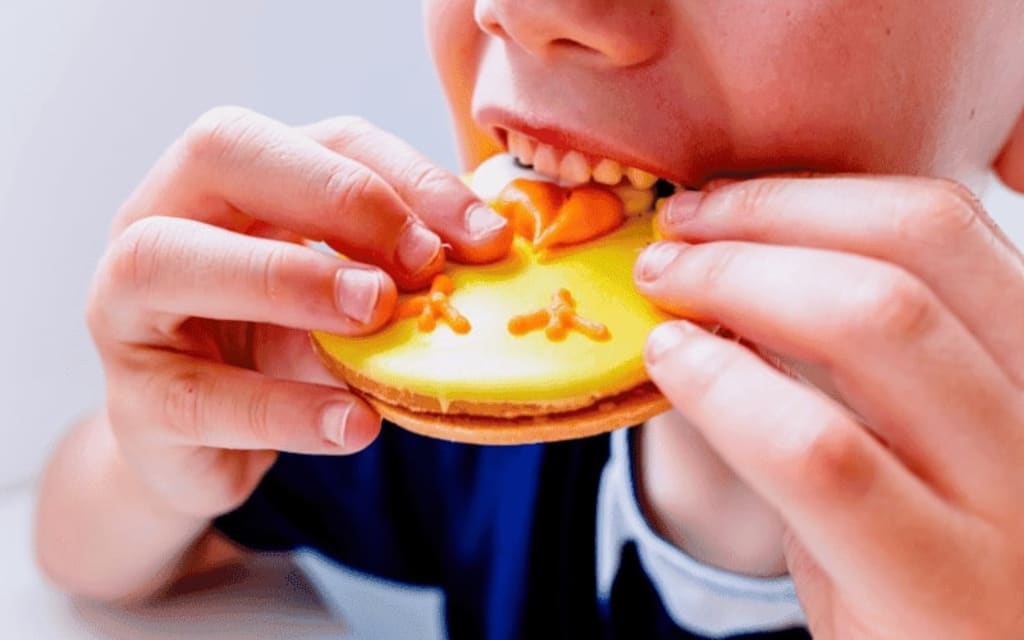
We all know that too much sugar isn’t good for our bodies—but have you ever thought about how it specifically affects your teeth? Sugar may be sweet to the taste, but it can wreak havoc on your oral health. From cavities and gum disease to enamel erosion and costly dental procedures, the truth about sugar’s impact on our teeth is hard to ignore.
Whether you're a parent monitoring your child’s diet or an adult managing your own health, understanding sugar’s role in oral care is key. And if you're ever in doubt about your dental routine, visiting a dentist near you can help get you back on track. In this blog, we’ll break down the science behind sugar and your smile—and give you practical tips for healthier habits.
Why Sugar Is a Big Deal for Your Teeth
Sugar isn’t inherently evil, but it's the favorite food of harmful bacteria living in your mouth. When you eat or drink sugary foods, bacteria metabolize the sugars and produce acids that attack your tooth enamel. Over time, these acid attacks weaken the protective layer of your teeth and lead to tooth decay and cavities.
In fact, the Centers for Disease Control and Prevention (CDC) reports that over 90% of adults in the U.S. have had a cavity, and 1 in 4 adults currently has at least one untreated cavity. One of the leading contributors? You guessed it—excessive sugar consumption.
How Sugar Causes Cavities
When sugar stays in your mouth for too long, it fuels the growth of Streptococcus mutans, a type of bacteria that thrives on sugar. These bacteria form plaque, a sticky film on your teeth. If not removed through brushing and flossing, the plaque hardens into tartar and begins to erode your enamel.
The repeated cycle of sugar exposure and acid production creates tiny holes in your enamel, which eventually turn into full-blown cavities. And once that happens, only a dental professional can fix it.
Sugar and Gum Disease—A Silent Threat
Gum disease is often called a “silent disease” because it can develop without noticeable symptoms in its early stages. Sugar doesn’t just harm your teeth—it can also inflame and irritate your gums.
As bacteria feed on sugar and produce plaque along the gumline, your gums may become swollen, red, or even begin to bleed. Left untreated, this can lead to periodontitis, a severe form of gum disease that can cause tooth loss.
According to the American Dental Association (ADA), nearly half of adults over age 30 show signs of gum disease. Cutting down on sugar is one simple way to reduce your risk.
Hidden Sugars in Everyday Foods
Even if you think you’re eating “healthy,” you might be consuming more sugar than you realize. Many packaged foods contain hidden sugars under names like fructose, sucrose, maltose, corn syrup, or cane juice. Yogurt, salad dressings, cereals, and even bread can be loaded with these sugar variants.
Reading nutrition labels is essential. The American Heart Association recommends that men consume no more than 36 grams (9 teaspoons) of added sugar per day, and women no more than 25 grams (6 teaspoons). Many Americans exceed that amount—sometimes before lunch!
Tips to Reduce Sugar and Protect Your Smile
Small changes in your routine can make a big difference when it comes to your oral health. Here are some dentist-approved tips:
- Drink more water, especially after consuming sugary foods.
- Brush twice daily with fluoride toothpaste.
- Floss once a day to remove food particles between your teeth.
- Cut back on sugary snacks and drinks, especially soda and sports drinks.
- Chew sugar-free gum to increase saliva flow and neutralize acids.
And of course, don’t skip those regular check-ups with a dentist near you to catch any signs of decay early.
What to Expect at Your Dental Check-Up
Many people avoid going to the dentist until something hurts—but regular visits are essential for prevention. During a dental check-up, your provider will:
- Examine your teeth and gums for signs of decay or disease
- Clean away plaque and tartar that you can’t reach with a toothbrush
- Offer personalized advice on diet and oral hygiene
- Possibly recommend fluoride treatments or sealants for added protection
Regular check-ups (at least twice a year) can help you maintain a healthy smile and minimize the long-term effects of sugar on your oral health.
Sugar may be a part of life, but it doesn’t have to destroy your smile. Being mindful of your sugar intake and practicing good oral hygiene can protect your teeth for years to come. From understanding how sugar affects your enamel to taking steps to prevent decay, knowledge is your best defense.
If it’s been a while since your last dental visit, now is the perfect time to book an appointment with a dentist near you. Your future smile will thank you!
Need expert dental care? Contact Justin Dental and Braces to schedule your next check-up today!
About the Creator
Justin Dental and Braces
Justin Dental and Braces provides comprehensive dental care for all ages, offering general dentistry, orthodontics, and cosmetic treatments with personalized attention for every family member.
Phone: (940) 242-2022
Keep reading
More stories from Justin Dental and Braces and writers in Journal and other communities.
What is the Main Cause of Yellow Teeth?
Have you ever looked in the mirror and wondered why your teeth aren't as white as they used to be? You're not alone. Yellow teeth are a common concern for many Americans. In fact, a survey by the American Academy of Cosmetic Dentistry (AACD) found that nearly 48% of adults believe a smile is the most memorable feature when meeting someone for the first time, and discoloration can seriously affect confidence.
By Justin Dental and Braces9 months ago in Journal
~ Fired ~
— Ai Intrusion ~ Are you Next ~ Is Ai Evolution after your job? — Few workplaces haven't been affected. Ai is in supermarkets, at doctors' offices, and even monitoring farms. I just can't think of anything this machine is not getting into, can you? For instance: Education ~ Law and Tech jobs will one day have a major influence or be taken over by these inanimate machines, with accuracy and vigor. From mechanics' diagnoses to a wide variety of everyday jobs, including fast food workers, with this input having the ability to cut their unnecessary work hours. I'm certain all of us have been touched by this with our short stories and colorful headings, have you? Even comments are very questionable 'Non-Robot' insertions.
By Jay Kantor4 days ago in Journal
When the Air No Longer Felt Heavy by Midday
I used to notice the heaviness around the same time every day. Late morning would pass without issue, but by midday something shifted. My shoulders felt heavier. My breathing felt shallower. Focus became harder to hold onto, even though the day was far from over.
By illumipurea day ago in Journal


Comments (1)
You really nailed it on how sugar messes with our teeth. I've seen firsthand how neglecting sugar intake can lead to cavities. It's crazy how that harmless - looking sweet stuff can be so damaging. I wonder, what are some of the best ways to cut down on sugar without sacrificing taste too much? Also, how do you think we can better educate kids about the dangers of sugar for their teeth? And it's eye - opening that gum disease is so sneaky. We need to be more vigilant about our oral health all around.