
The Tragedy of the Ocean Ranger: A Tale of Engineering and Nature
When Nature's Fury Meets Human Ingenuity

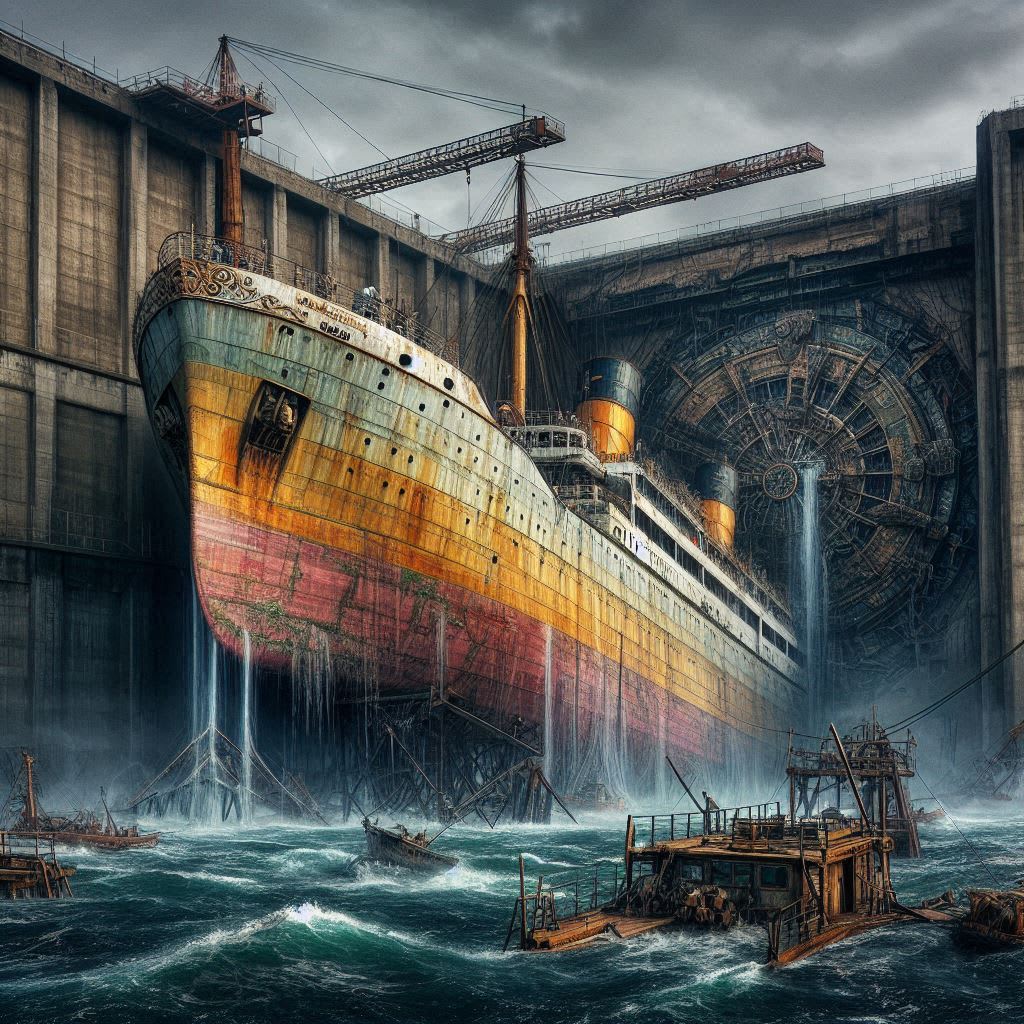
## The Fateful Night at Sea
The foreman’s voice crackled over the emergency radio. Panic filled the air. “We need to get the people off the rig. We may not be able to hold the rig… the rig might be going over.” The Ocean Ranger was in turmoil. Huge waves battered the drilling platform. Cold seawater surged in from every direction.
Crew members fought over life jackets. Some made the desperate choice to leap from the rig into the frigid ocean below. Those who remained faced a harrowing question: Would they suffer the same fate? Just hours earlier, the Ocean Ranger stood tall. Now, it leaned dangerously, seemingly ready to be swallowed by the waves.
This engineering marvel was supposed to be unsinkable. The Ocean Ranger, a self-propelled drilling platform, weighed 25,000 tons and reached the height of a 33-story building. Much of its structure hid beneath the waves, with 400-foot pontoons designed to keep it buoyant. It should have weathered any storm.
## The Calm Before the Storm
Drilling took place 166 miles from the Canadian mainland in the Grand Banks of Newfoundland. The rig dug deep into natural oil and gas reserves. Due to the area's notorious winter weather, the crew was on high alert. Yet, they believed the rig could protect them.
On February 14, 1982, forecasts warned of an impending storm with winds nearing 90 knots and waves topping 37 feet. Despite the warnings, the crew felt confident. They had seen the rig withstand storms before. They prepared for the incoming weather, securing equipment and double-checking doors.
## The Storm Strikes
As the night wore on, conditions worsened rapidly. Rain and winds combined to create a freezing environment. Drilling became increasingly difficult. The crew monitored systems, especially the ballast control, essential for stability. With weather reports escalating, the Ocean Ranger faced waves that pushed its limits.
7:15 PM. Radio transmissions revealed intensifying waves over 55 feet. Water seeped into the rig due to a broken porthole. A rogue wave crashed against the rig, shattering the window in the ballast control room. Icy seawater poured in as the platform’s stability weakened.
By 9:00 PM, the rig reported malfunctioning ballast control valves. It began to tilt dangerously. As the water flooded in, crew desperately tried to regain control. But without proper training, they worsened the situation.
## A Desperate Call for Help
At 12:52 AM on February 15, the Ocean Ranger broadcasted a mayday. An emergency vessel, the MV Seaforth Highlander, headed to assist. Helicopters took off to search for survivors. Despite help on the way, the rig continued to list.
Crew members initiated emergency procedures. They raced to shut down systems and prepare for evacuation. However, the crew was untrained for emergencies like this. Tensions rose as each moment became increasingly critical.
1:30 AM. The Ocean Ranger's final radio message rang out, “We are going to lifeboat stations.” The atmosphere turned chaotic as crewmen scrambled to evacuate. Lifeboats weren’t a guaranteed safety net; they found themselves at the mercy of the stormy seas.
## Rescue Attempts and Tragic Loss
1:30 AM turned to 2:21 AM. The MV Seaforth Highlander arrived to find bodies floating. With lifeboats launched, the search continued. Helicopters battled fierce winds to locate crew members in the sea.
2:30 AM. Rescuers struggled to approach the Ocean Ranger. The bodies floated beneath the waves, irretrievable. The Coast Guard helicopters guided boats but risked their crews in the process. By 2:45 AM, all lifeboats were gone, and the Ocean Ranger was silent.
3:13 AM. The rig capsized completely. It disappeared beneath the waves, taking its crew with it. The disaster claimed all 84 lives aboard. With recovery efforts underway soon after, only 22 bodies were eventually found.
## Searching for Answers
In the days that followed, search teams combed the ocean. The wreckage of the Ocean Ranger lay far below the surface, surrounded by debris. Sonar located the site, but disaster recovery teams could do little.
The Ocean Ranger’s tragic ending serves as a somber reminder of nature’s power and the risks involved in offshore drilling. This engineering marvel met its demise amidst the elements it was designed to withstand, leaving a haunting legacy.
About the Creator
THiNK
Think - Your go-to destination for exploring captivating mysteries, insightful psychology, intriguing facts, and the latest news. Our mission is to spark curiosity and inspire learning. Join us as we uncover the unknown!


Comments
There are no comments for this story
Be the first to respond and start the conversation.