
The Significance of the Palmyra Tree in Sri Lanka's Northern Province
An Exploration of its Economic, Cultural, and Ecological Impact.

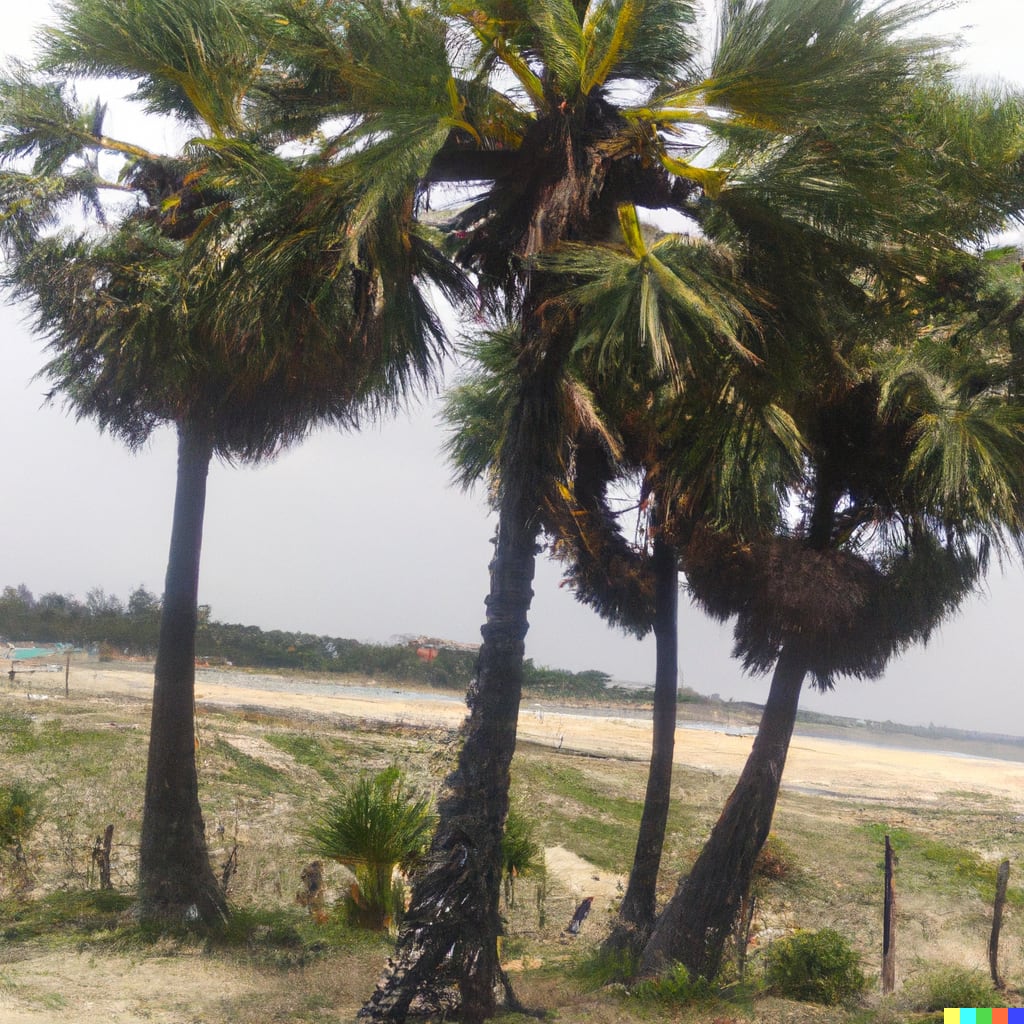
The Palmyra tree, also known as Borassus flabellifer, is an important tree in Sri Lanka's Northern Province, where it is commonly found in the dry zone of the island. The tree plays a significant role in the local economy and culture. The sap of the tree is used to make jaggery, a traditional sweetener, and the trunk is used for construction and furniture. The leaves are used to thatch roofs and to make traditional mats, baskets, and other handicrafts. The tree is also an important source of food, especially for people living in rural areas, the tree's fruit and flowers are used to make various dishes and traditional sweets. Palmyra tree also plays an important role in the local ecosystem, providing shade and habitat for wildlife.
In Northern Province, Palmyra tree is considered as an important part of the culture, tradition and daily life of the people. Many festivals and ceremonies are held under the Palmyra tree, and it holds a special place in the hearts of the local people. The tree is also important for its ecological benefits, providing habitat for wildlife and helping to preserve biodiversity in the region.
Borassus flabellifer, commonly known as the Palmyra tree, has a wide range of uses both in traditional and modern society. Some of the most common uses include:
Food and beverages: The sap of the Palmyra tree is used to make jaggery, a type of unrefined sugar, and a traditional sweetener in many countries. The tree's fruit is also edible, and it is used to make various dishes and traditional sweets.
Construction and furniture: The wood of the Palmyra tree is strong and durable, making it ideal for construction and furniture. The trunk is used for house posts, beams, flooring, doors and windows and for making different types of furniture.
Handicrafts: The leaves of the Palmyra tree are used to make traditional handicrafts such as mats, baskets, fans and umbrellas.
Traditional medicine: The Palmyra tree has medicinal properties, the sap, root and bark of the tree are used in traditional medicine for treating various ailments such as fever, indigestion and skin problems.
Ecosystem services: Palmyra tree is important for the local ecosystem, providing shade, habitat and food for wildlife, and also playing a role in preserving biodiversity in the region.
Cultural and religious significance: Palmyra tree is considered as an important part of the culture, tradition and daily life of the people in many countries, many festivals and ceremonies are held under the Palmyra tree, and it holds a special place in the hearts of the local people.
The Palmyra tree, also known as Borassus flabellifer, is an important tree in Sri Lanka's Northern Province for several reasons:
Economic Impact: Palmyra tree is an important source of income for many people in the Northern Province. The sap is used to make jaggery, a traditional sweetener, and the trunk is used for construction and furniture. The leaves are used to thatch roofs and to make traditional mats, baskets, and other handicrafts. The tree's fruit and flowers are used to make various dishes and traditional sweets.
Cultural Impact: Palmyra tree is an important part of the culture, tradition and daily life of the people in Northern Province. Many festivals and ceremonies are held under the Palmyra tree, and it holds a special place in the hearts of the local people.
Ecological Impact: The Palmyra tree plays an important role in the local ecosystem, providing shade, habitat and food for wildlife, and also playing a role in preserving biodiversity in the region.
Food security: Palmyra tree is an important source of food for people living in rural areas. The tree's fruit and flowers are used to make various dishes and traditional sweets, providing much-needed nutrition for people in the region.
Water security: Palmyra tree is an important source of water, its roots can reach underground water sources, and they help to recharge the groundwater table, which is essential for the survival of the people and the ecosystem in the region.
Overall, Palmyra tree is an integral part of the Northern Province of Sri Lanka, it has an important economic, cultural, ecological and social significance that makes it a valuable resource for the people of the region.
About the Creator
Keep reading
More stories from Kanagasabai Thiruthanigesan and writers in Journal and other communities.
Shaping the Future: How Technology, Sustainability, and Societal Changes Will Impact the Human Lifestyle
The human future lifestyle is difficult to predict with certainty, as it will be shaped by a variety of factors including technological advancements, economic developments, and societal changes. However, some possible trends that may shape the human future lifestyle include:
By Kanagasabai Thiruthanigesan3 years ago in Journal
Author’s Advice
If you would’ve asked me 20 years ago did I know I’d become a writer and an author, I would’ve said “nope, ain’t happening”. As fate would have it I did become an author and I can honestly say I’m loving it so far. It really does feel good to be a writer. I’ve learned a lot on this journey and I feel like with even me being as new to this world as I am, there’s some wisdom I need to share with every other aspiring author.
By Joe Patterson5 days ago in Journal
From Minerals to Memoirs: How I Found My Malachite Peace in Paris
For years, my mind was a precisely calibrated instrument. As a mineralogy engineer, I was trained to look for order, stability, and the perfect crystal lattice in everything. If a disruption appeared in the structure, my task was to understand why it happened and how to repair it. I believed that life, just like a rock, could be analyzed, categorized, and, if necessary, fixed. But living in Paris, under the hat of Magma Star, has taught me that the most beautiful structures are those born from complete emotional chaos.
By Magma Starabout 21 hours ago in Journal




Comments
There are no comments for this story
Be the first to respond and start the conversation.