
Shaping the Future: How Technology, Sustainability, and Societal Changes Will Impact the Human Lifestyle
Exploring the Trends that Will Define Our Lives in the Coming Decades

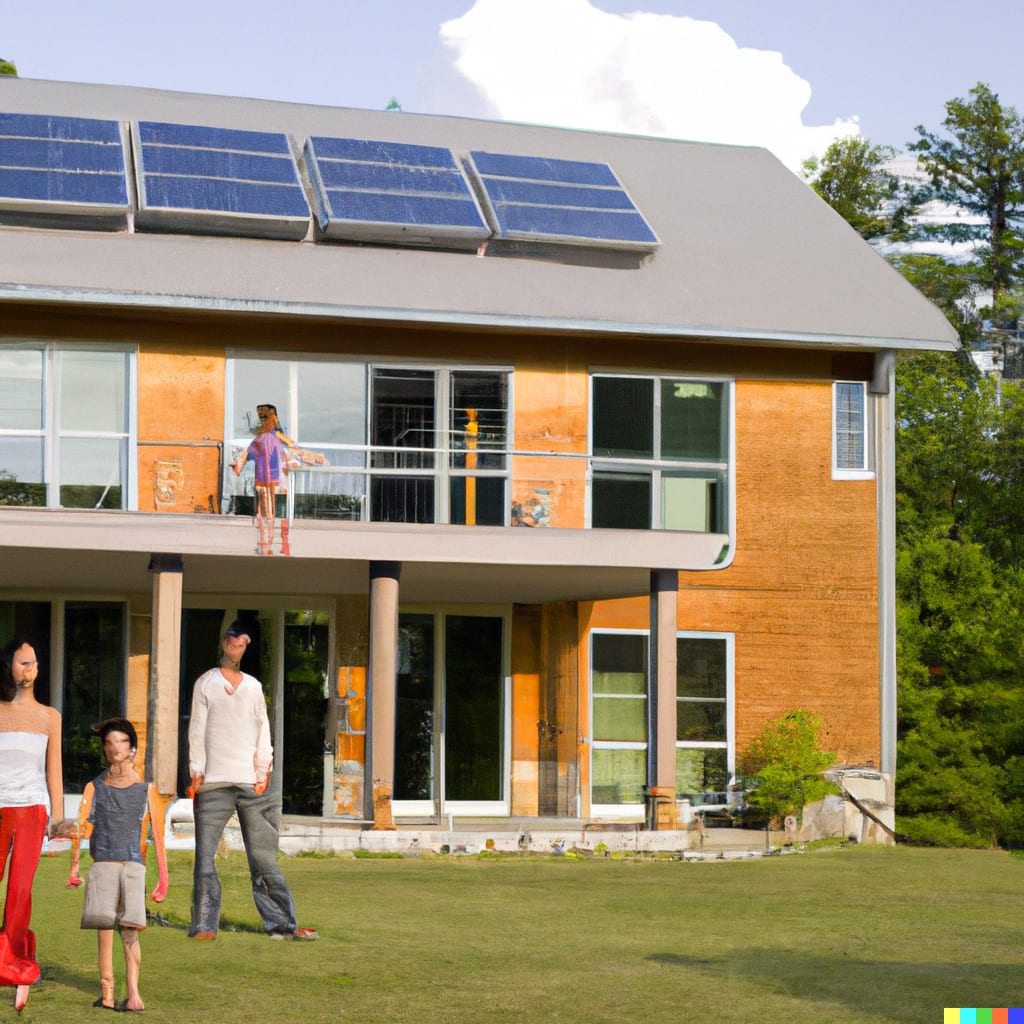
The human future lifestyle is difficult to predict with certainty, as it will be shaped by a variety of factors including technological advancements, economic developments, and societal changes. However, some possible trends that may shape the human future lifestyle include:
Increased use of technology: Technology is expected to continue to play a major role in shaping the human future lifestyle, with advancements in areas such as artificial intelligence, robotics, and the internet of things likely to change the way we work, communicate, and live.
Greater emphasis on sustainability: With increasing awareness of the environmental impact of human activities, there may be a greater emphasis on sustainable living in the future, with more people choosing to live in smaller, more energy-efficient homes and adopt eco-friendly habits such as recycling and reducing consumption.
Remote work and virtual communication: With the advent of technology, it is likely that a larger proportion of the workforce will be able to work remotely, leading to a shift away from the traditional 9-to-5 workday and more opportunities for virtual communication.
Greater focus on health and wellness: With an aging population and rising healthcare costs, there may be a greater emphasis on preventative health and wellness in the future, with more people engaging in regular exercise and adopting healthy diets to maintain their well-being.
Urbanization: Urbanization is expected to continue, and more people will live in cities. Also, cities will become more livable, more sustainable, and more resilient.
Greater use of autonomous systems: Self-driving cars, drones, and other autonomous systems are expected to become more prevalent in the future, leading to changes in the way we travel and the way goods and services are delivered.
Greater use of big data and analytics: With the increasing amount of data generated by our activities, we will see a greater use of big data and analytics to improve decision-making, optimize systems, and gain new insights.
Greater focus on digital security: As we rely more on technology in our daily lives, digital security will become increasingly important, and we will need to take steps to protect our personal information and devices from cyber threats.
In summary, the human future lifestyle is expected to be heavily influenced by technological advancements, economic developments, and societal changes. Some possible trends that may shape the human future lifestyle include increased use of technology, greater emphasis on sustainability, remote work and virtual communication, greater focus on health and wellness, urbanization, greater use of autonomous systems, greater use of big data and analytics and a greater focus on digital security. These changes will lead to a lifestyle that is more technology-dependent, more sustainable, more remote, more focused on health and wellness, and more resilient to the challenges of the future. These trends will shape the way we live, work and interact with each other, and it's important to be aware and adapt to these changes.
Eco-friendly homes can be helpful for a good future in several ways:
Environmental Impact: Eco-friendly homes are designed to minimize their environmental impact by reducing energy consumption and using sustainable materials. This can help to reduce greenhouse gas emissions and mitigate the effects of climate change.
Energy Efficiency: Eco-friendly homes are often designed to be highly energy-efficient, which can help to reduce energy costs and decrease dependence on fossil fuels. This can help to save money on utility bills and reduce the overall environmental impact of energy consumption.
Health and Comfort: Eco-friendly homes are often designed to promote healthy indoor air quality, which can help to improve overall health and comfort. This can be achieved through the use of natural ventilation, non-toxic building materials, and good indoor air quality management.
Durability and Longevity: Eco-friendly homes are often built to last longer and be more durable than traditional homes. This can be achieved through the use of sustainable building materials, which are often more durable than traditional materials.
Resilience: Eco-friendly homes are designed to be more resilient to environmental hazards, such as natural disasters, by using sustainable building practices and materials. This can help to reduce the risk of damage and destruction from extreme weather events.
Community and Social Impact: Eco-friendly homes can also promote social and community benefits by providing affordable housing.
About the Creator
Keep reading
More stories from Kanagasabai Thiruthanigesan and writers in Journal and other communities.
Journey with the Queen
"The Uncommon Reader" is a novella written by Alan Bennett. The book tells the story of a fictional Queen of England who, while out on a walk with her corgis, stumbles upon a mobile library. She becomes an avid reader and begins to change as a result of her new-found passion for books.
By Kanagasabai Thiruthanigesan3 years ago in Journal
Author’s Advice
If you would’ve asked me 20 years ago did I know I’d become a writer and an author, I would’ve said “nope, ain’t happening”. As fate would have it I did become an author and I can honestly say I’m loving it so far. It really does feel good to be a writer. I’ve learned a lot on this journey and I feel like with even me being as new to this world as I am, there’s some wisdom I need to share with every other aspiring author.
By Joe Patterson2 days ago in Journal
Phuket for first-timers
If you have never been to Phuket, Thailand’s largest island, then there is always the first time. All the information that you seek is right here for you to soak in and let your stay run smoothly. From the best time to visit to how to arrange your activities and what to eat, we have got you covered on all sides during your Phuket stay. Read on find out the stuff to make it happen!
By Jeewanthi Armstrong4 days ago in Journal




Comments
There are no comments for this story
Be the first to respond and start the conversation.