
The Secret of burj khalifa
An article about burj khalifa in dubai

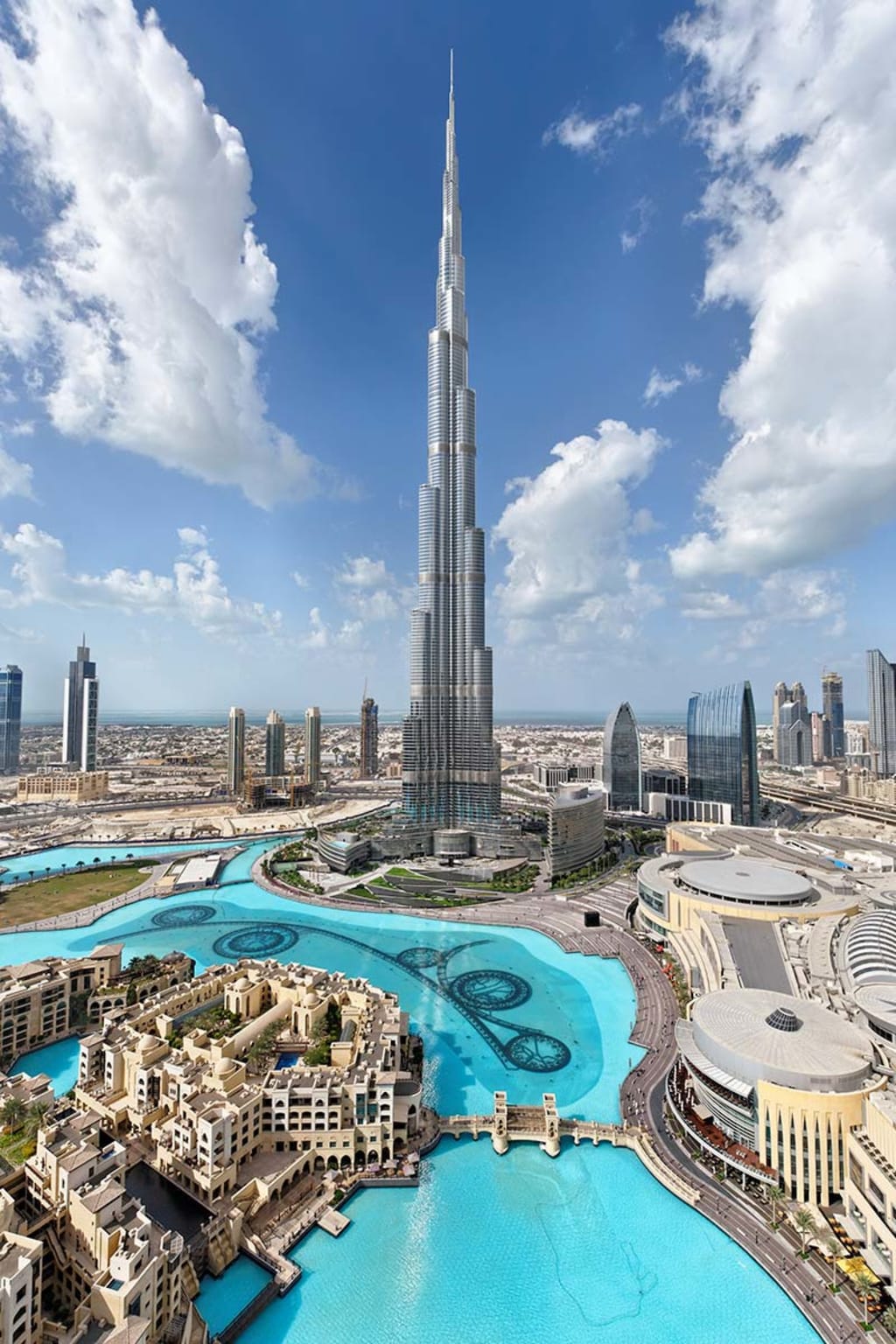
The Burj Khalifa is an iconic skyscraper located in Dubai, United Arab Emirates. Standing at an impressive height of 828 meters (2,716.5 feet), it is the tallest building in the world. The Burj Khalifa is a symbol of modern engineering and architectural marvels. Its construction took more than five years and involved the efforts of thousands of skilled workers.
The History of Burj Khalifa
The construction of the Burj Khalifa began in 2004 and was completed in 2010. The project was initiated by the government of Dubai as part of its plan to diversify the country's economy beyond its reliance on oil. The tower was designed by Adrian Smith, of the architecture firm Skidmore, Owings & Merrill. The construction was carried out by a South Korean company, Samsung C&T, in collaboration with Arabtec, a local construction firm.
Secrets of Burj Khalifa
The Burj Khalifa has several secrets that most people do not know about. For instance, the tower is designed to be flexible, allowing it to withstand strong winds and earthquakes. The building is anchored to a massive concrete foundation, which is 50 meters (164 feet) deep and weighs more than 110,000 tonnes (121254 tons). This foundation is designed to prevent the building from sinking into the soft sand and clay below.
Another interesting secret of the Burj Khalifa is that it has a unique cooling system that keeps the building cool even in the scorching desert heat. The tower uses a central air-conditioning system that circulates chilled water through a network of pipes in the building. This system helps to cool the building and maintain a comfortable temperature for its occupants.
The Burj Khalifa also has an impressive elevator system. The building has a total of 57 elevators and eight escalators, which are among the fastest in the world. The elevators can travel at speeds of up to 10 meters per second (33 feet per second) and can take passengers from the ground floor to the observation deck on the 124th floor in just one minute.
Design and Architecture
The design and architecture of the Burj Khalifa are inspired by Islamic art and architecture. The tower's shape resembles a desert flower, and its intricate exterior cladding is reminiscent of the patterns found in Islamic art. The tower's design also incorporates elements of traditional Islamic architecture, such as the use of geometric shapes and the repetition of patterns.
The Burj Khalifa has several observation decks that offer stunning views of the city of Dubai. The most popular observation deck is located on the 124th floor and is called "At the Top." Visitors can take an elevator from the ground floor to the observation deck in just one minute. The observation deck offers 360-degree views of the city and its surrounding areas.
Sustainability and Environmental Impact
The Burj Khalifa is a symbol of sustainability and environmental responsibility. The building is designed to be energy-efficient, and it incorporates several sustainable features. For instance, the tower uses a solar hot water system to heat the water used in the building. The tower also has a system that collects condensation from the air conditioning system and uses it to irrigate the surrounding landscape.
The Burj Khalifa also has a waste management system that recycles 80 percent of the waste generated in the building. The tower has a separate waste chute for recyclable materials, which are collected and sent for recycling. The building also has a composting system that converts organic waste into compost, which is used to fertilize the landscape.
Conclusion
The Burj Khalifa is an engineering and architectural marvel that has become a symbol of modern Dubai. The tower's design and architecture are inspired by Islamic art and architecture, and its construction involved the efforts of thousands of
About the Creator
Judith
I am a housewife with a passion for writing and a talent for creating interesting articles. With my talent for writing and my passion for sharing, I will sure to become one of your favorite article creators.
What Is the Best Fire Extinguisher for a Car and Where Should You Store It?
Most drivers are concerned with maintenance such as changing oil filters, checking tire pressure and brakes. Nevertheless, a car fire extinguisher is one of the safety tools that is frequently disregarded. Fire of vehicles is infrequent but once it occurs, it can be transmitted rapidly. The availability of the right extinguisher can be of great help in the safety of passengers and property.
By Deborah Larson7 days ago in Journal
Yoan Iglev Reveals the Influence of Classical Art in Contemporary Murals
Public art has the ability to change how people experience a city. Large murals on walls can turn simple buildings into meaningful cultural spaces. One artist who has contributed to this form of art is Yoan Iglev, a Bulgarian painter known for creating monumental murals and artistic mosaics.
By Mark Walker6 days ago in Journal
Silken Chains
Silhouettes of the female form were given flesh and bone. Silken skin glistened under the spotlight. Dry ice rose around our Icons as they danced atop their podiums in the Square. Heralded for their beauty, their movements were slight, powerful, and sensual.
By Paul Stewart6 days ago in Fiction




Comments
There are no comments for this story
Be the first to respond and start the conversation.