
The Science of Comfort
How HVAC Affects Employee Productivity and Well-Being

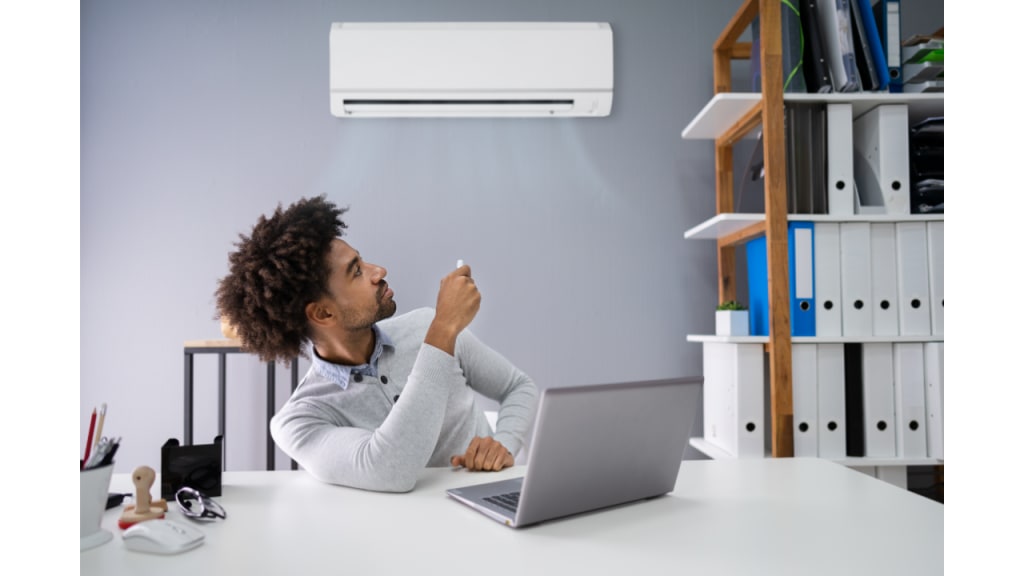
In the modern workplace, the pursuit of efficiency and peak performance is a constant endeavor. While technology and management strategies often take center stage, a fundamental yet often overlooked factor has a profound impact on a company's most valuable asset: its people. That factor is the very air they breathe, the temperature they feel, and the comfort of their physical environment. A well-designed and properly maintained commercial HVAC system is far more than just a climate control mechanism; it is a strategic investment in the health, happiness, and productivity of every employee. Understanding this intricate relationship reveals how the science of comfort directly translates to a more engaged and effective workforce.
The human body is an amazing machine, but it operates optimally within a specific range of conditions. When a workspace is too hot or too cold, our bodies divert energy to regulate internal temperature, leaving less for cognitive tasks. Research has consistently shown that extreme temperatures can impair concentration, slow reaction times, and even increase the rate of errors. Employees who are constantly adjusting their clothing or seeking refuge from a drafty corner are not focusing on their work. They are distracted by discomfort. A consistent and comfortable temperature, typically in the range of 68 to 76 degrees Fahrenheit, allows employees to dedicate their full attention to their tasks, improving problem-solving skills and overall cognitive function.
Beyond temperature, the quality of the air itself is a critical determinant of well-being. Indoor air quality, or IAQ, can be compromised by a variety of pollutants, including dust, pollen, mold spores, and volatile organic compounds (VOCs) from furniture and cleaning products. Poor ventilation allows these contaminants to build up, leading to symptoms often associated with “sick building syndrome.” These can include headaches, fatigue, dry eyes, and respiratory issues. A properly functioning HVAC system with effective filtration and ventilation removes these airborne irritants, providing a constant supply of fresh, clean air. This reduces the spread of illness, lowers absenteeism, and creates a healthier environment where employees can breathe easier and feel more invigorated.
Humidity also plays a vital role in creating a comfortable atmosphere. When the air is too dry, it can cause skin and eye irritation and even lead to a higher risk of static electricity. Conversely, excessive humidity can make a space feel muggy and uncomfortable, and it provides a perfect breeding ground for mold and bacteria. An advanced HVAC system manages humidity levels, maintaining an optimal balance that enhances physical comfort and protects both employees and sensitive office equipment. This careful regulation helps to minimize distractions and health complaints related to the air, allowing everyone to feel more at ease.
Moreover, the noise of an HVAC system can be a major source of distraction. The constant humming, whirring, or clanking of an old or poorly maintained unit can disrupt focus and increase stress levels. Modern HVAC technology, however, is designed with quiet operation in mind. By minimizing noise pollution, these systems contribute to a more serene and peaceful work environment. This allows for better concentration during individual tasks and facilitates clearer communication and collaboration among team members. A quiet workspace is not just a luxury; it is a foundation for deep, focused work.
Ultimately, the benefits of a superior HVAC system extend beyond mere physical comfort. They contribute to a positive workplace culture where employee well-being is a priority. When a company invests in creating a comfortable, healthy, and safe environment, it sends a clear message to its employees that they are valued. This sense of being cared for can lead to higher job satisfaction, increased morale, and stronger employee retention. A comfortable office reduces friction and tension, such as disagreements over the thermostat, fostering a more collaborative and friendly atmosphere. This holistic approach to comfort is a powerful tool for building a thriving business. A workplace that feels good to be in is a workplace where people want to be and where they are motivated to do their best work.
Investing in a high-quality and well-maintained HVAC system is one of the most effective ways a company can support its employees and boost its bottom line. It's an investment that pays dividends in productivity, health, and overall satisfaction. Do not let outdated or inefficient systems hold back your team's potential.
Elevate your workplace to a new level of comfort and productivity. Contact a certified HVAC professional today for a comprehensive assessment and discover how a modern system can transform your office environment.
About the Creator
Keep reading
More stories from The Weekend Project and writers in Journal and other communities.
Open Through Rush And Rain
Philadelphia restaurants live at the intersection of art and logistics. You can write a perfect menu and hire a great team, but a sputtering water heater or a drafty dining room can ruin the service. Between health code standards, older buildings with quirky mechanical rooms, and weather swings that test every rooftop unit in town, the smartest restaurants treat hot water and air as core business systems, not afterthoughts.
By The Weekend Project5 months ago in Journal
Havana Syndrome Unmasked: The Black Market Russian Microwave Weapon Captured In a DHS Sting
For nearly a decade, American diplomats, intelligence officers, and military personnel have reported a terrifying experience: an invisible attack that leaves them with debilitating brain injuries, chronic pain, and life-altering neurological damage.
By James Marinero2 days ago in Journal




Comments
There are no comments for this story
Be the first to respond and start the conversation.