
Open Through Rush And Rain
A Hot Water And Ventilation Playbook For Philly Restaurants

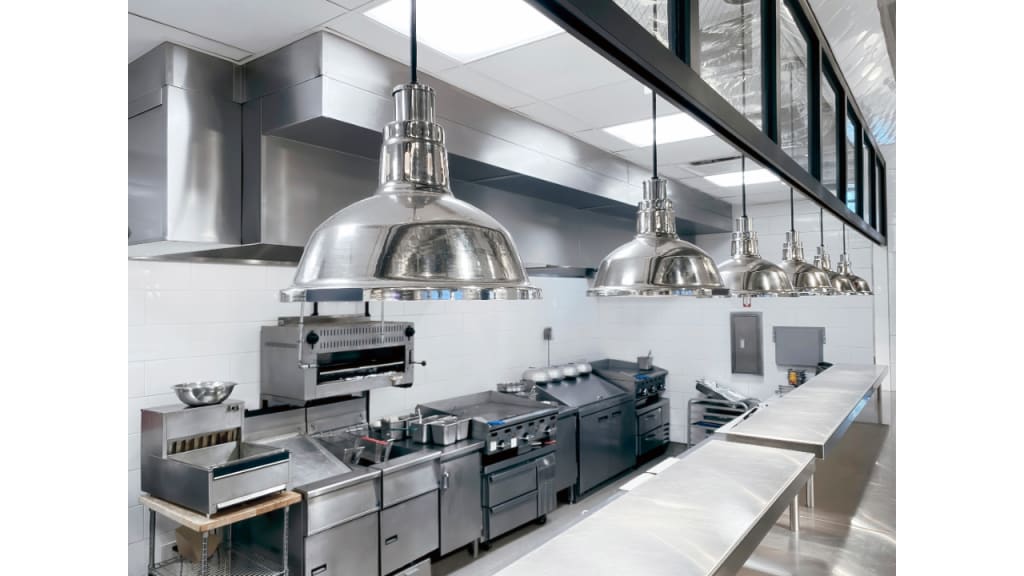
Philadelphia restaurants live at the intersection of art and logistics. You can write a perfect menu and hire a great team, but a sputtering water heater or a drafty dining room can ruin the service. Between health code standards, older buildings with quirky mechanical rooms, and weather swings that test every rooftop unit in town, the smartest restaurants treat hot water and air as core business systems, not afterthoughts.
Here’s a practical plan to keep sanitation tight, dining rooms comfortable, and tickets moving—without burning cash on oversized equipment.
Why Kitchens Push Systems To The Edge
A busy line uses more hot water in two hours than many homes do in a day. Dish machines, pre‑rinse sprayers, hand‑wash sinks at every station, mop sinks, and sometimes bar glass washers all draw at once. Meanwhile, the hood pulls thousands of cubic feet of air out of the kitchen, and if makeup air and dining room ventilation aren’t balanced, you’ll feel a cold draft or smell fry oil where guests sit.
Old buildings add more pressure. Mechanical closets were never designed for modern equipment densities. Shared combustion and ventilation paths can starve gas appliances of air during a rush. If you’ve ever seen a tankless water heater throw a fault at 7 p.m. on a Saturday, you’ve seen what negative pressure and marginal venting can do.
A Smarter Hot Water Setup
Forget one big tank in a back room that does everything. The workhorse in modern kitchens is a staged tankless array or a high‑recovery tank paired with recirculation and properly set mixing valves. Staging lets you fire one unit during prep and bring others online for dinner service, keeping energy use sane without sacrificing capacity.
The key to on‑demand success is planning. Undersized gas piping, long vent runs with too many elbows, and missing service valves are what make units fussy. A technician who does tankless water heater repair in Philadelphia weekly will spot those pitfalls fast and propose fixes like larger gas lines, common venting with proper clearances, and annual descaling on a schedule. With Philly’s hard water, heat exchangers collect mineral film; descaling is not optional if you want steady temperatures and long life.
For dish machines with strict inlet temperature requirements, use a dedicated tempering valve and confirm delivery temperature at the machine under peak flow. Set recirculation on timers or demand control that match your hours so hand‑wash sinks run hot immediately when you open and don’t waste energy overnight.
Air That Works With You, Not Against You
Ventilation is more than CFM on a spec sheet. Hoods need balanced makeup air so they capture and remove effluent without turning the kitchen into a wind tunnel. If the dining room feels drafty when the line heats up, you’re likely pulling air through every crack in the building to make up for what the hood removes.
A commercial HVAC contractor in Philadelphia can test hood capture, calibrate economizers on rooftop units, and balance airflow so the front of house stays calm and the kitchen stays clear. Economizers matter in shoulder seasons; when tuned, they bring in cool, dry outdoor air to reduce compressor run time and keep indoor air feeling fresh. Carbon dioxide sensors in dining rooms help you meet ventilation targets without over‑ventilating and wasting heat.
Practical Upgrades That Punch Above Their Weight
A few small moves change daily life. Insulate hot water lines and label every valve. Install service valves and cleanouts at every tankless unit so descaling is an hour, not a day. Add point‑of‑use mixing valves at hand‑wash sinks to deliver safe, consistent temperatures. Use low‑flow, high‑force pre‑rinse sprayers to reduce hot water waste without slowing the dish pit.
On the air side, verify door sweeps and vestibules do their job. A small air curtain can prevent cold air dumps during the dinner rush. Keep outdoor coils on rooftop units clean and schedule seasonal coil cleaning; dirty coils quietly drive up energy costs and sink comfort.
What You’ll Notice When It’s Right
Service stops fighting the building. Hot water arrives on cue at every sink. The dish machine holds its temp spec. The dining room feels steady even when the hood is roaring. Staff use fewer workarounds because the basics just work.
From a business perspective, uptime is a matter of money. Planned maintenance costs less than closures or emergency calls. Fuel and electric use fall when you stage capacity, seal leaks, and keep coils clean. Guests stay longer when comfort is invisible, and inspectors leave faster when sanitation is obvious.
Where To Start
Walk the space with two specialists: a plumber who handles high‑demand hot water and a commercial HVAC contractor in Philadelphia who commissions kitchens. Request a peak-demand hot water map, a recirculation plan tied to business hours, and a descaling schedule. On the air side, ask for a hood capture test, makeup air balance, and economizer calibration.
If your tankless units have been throwing codes or your dish machine never seems to hit spec, book tankless water heater repair in Philadelphia and share the exact symptoms and times of day; those patterns help pinpoint gas, venting, or flow issues.
The restaurants that thrive treat water and air like any other line item: measured, planned, and tuned. Do that, and your gear fades into the background where it belongs—behind great food and calm service.
About the Creator
Keep reading
More stories from The Weekend Project and writers in Journal and other communities.
Open Through The Rush
In a busy salon, café, clinic, or corner shop, comfort and hot water are revenue. A drafty waiting area shortens appointments. A sputtering water heater during the lunch rush breaks momentum. Health code standards don’t pause for equipment quirks, and customers rarely give second chances after a chilly visit. The goal isn’t a shiny mechanical room—it’s a plan that keeps rooms steady and hot water dependable so you can focus on service.
By The Weekend Project5 months ago in Journal



Comments
There are no comments for this story
Be the first to respond and start the conversation.