
The Role of Implements in Farming: Types, Uses, and Benefits of Them
Benefits of Implements in Farming
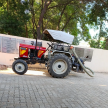

Farming requires a lot of physical effort and time. After all, the world is moving towards modernization, and modern farming techniques are required. In these techniques, agricultural equipment is crucial. It is recommended that they be used in commercial agricultural operations.
Land preparation, planting, sowing, threshing, irrigation, harvesting, storing, and selling are just a few of the agricultural activities for which these tools might be employed. Their use is readily justified due to increased production, reduced waiting times, and lower staff costs. Therefore, it is necessary to promote their domestic production and consumption. Let’s explore the benefits, types, and usage of implements:
Benefits of Implements in Farming
- Boosts overall productivity
- Reduce labour costs and streamline operations
- Better time management
- Ability to adjust to challenging situations
- Less use of physical effort
- Improves crop yield and soil quality
- Better precision
- Low-risks of injury
Different Types of Implements in Farming
- Plough
- Cultivator
- Rotavator
- Harrow
Uses of Different Types Of Implements
As you understand the vital role of implements in modern farming, let's now explore the specific uses of each implement in agriculture.
Plough :
- Crucially, preparing land for planting involves a key step: ploughing.
- Ploughing breaks up compact soil, thereby facilitating better air and water circulation. Additionally, it aids in the decomposition of agricultural leftovers and weeds, which replenish the soil with nutrients. A plough is used for this.
- This implement called a plough attachment, is installed behind tractors or other equipment with the specific aim of breaking and overturning soil.
- The plough implement has sharp blades made of high-quality stainless steel. The blades' thickness varies depending on the model.
- Furrows, or elevated rows, are another feature of ploughing that enhances drainage and seed planting. Moreover, Ploughs are still a useful tool for many farmers because they are good at preparing soil for ideal planting conditions, even if no-till farming methods are becoming more popular.
Cultivator :
- The cultivator helps manage and loosen the upper layer of the soil for better plant growth.
- The structure of the cultivator is like a big fork.
- There are two main components in cultivators: shanks and sweeps.
- Shanks are strong metal rods which act as teeth that help to break and penetrate the soil.
- Sweeps are straight and bent metal tools that are attached to shanks and help stir up the soil.
- As an added benefit, certain cultivators allow for the targeted application of fertilisers and pesticides directly to the topsoil. This functionality makes cultivators a favourite tool among farmers for maintaining healthy soil conditions throughout the growing season.
Rotavator:
- The centre is like a rotating drum with sharp edges. The blades of the rotavator spin quickly as it advances, crushing the soil.
- Therefore, rotavators actively create a fine, crumbled seedbed, ideal for planting crops like flowers and vegetables that thrive in loose, well-aerated soil.
- Rotavating also efficiently chops up weeds and plant residues. Subsequently, they go back into the soil to fuel organic decomposition and nutrient recycling.
- Cultivators are excellent for work on the surface; however, rotavators can reach deeper and provide a more thorough approach to soil preparation.
- Rotavators come in different sizes, starting from 3 feet to 12 feet. There are many brands in the market that offer rotavators. 7-feet rotavator is the most commonly used in farming, if you are looking for a rotavator you can check Sonalika Rotavator 7 Feet Price.
Harrow:
- After using a cultivator or plough, the soil may be irregular and rough. To create a smooth planting bed with uniform seed depth and growth, harrows break up lumps and level the surface.
- A harrow attachment has a comb-like structure. After ploughing or cultivation, it drags across the soil to finish preparing the seedbed.
- They are connected behind the tractor using a 3-point hitch.
Conclusion:
In summary, the agriculture industry is evolving every day with modern instruments. Each tool is essential to maximising crop yields, from cultivators that control the topsoil to ploughs that break through hard soil. Take a look at the Sonalika Rotavator if you're searching for a strong rotary tiller for effective seedbed preparation. With the correct implements, farmers may increase productivity, save expenses, and eventually grow a healthy crop.
To survive in this world, food is necessary for every one of us. For proper functioning of the body, performing several activities in daily life requires energy. This energy comes from the foods that we eat. We all know that the basis of food production is agriculture. Land cultivation, raising animals, and crop production are not just practical attempts but also considered as arts and sciences.
This covers the process of preparing plant and animal goods for usage as well as the marketing of such items. The agriculture sector is fulfilling the majority of the world's food and textile needs.
About the Creator
Mahira Kaur
Hello! I'm Mahira and I have a deep passion for agriculture & farming. My interest lies in exploring innovative agricultural techniques and sustainable farming practices that can enhance productivity and ensure environmental stewardship.
Keep reading
More stories from Mahira Kaur and writers in Journal and other communities.
A Detailed Plough Guide: Definition, Prices, Uses and Key Features
Before you buy a plough for your farm, read this guide. All of the information related to ploughs—what they are, their prices, usages, and key features—can be found here. Whether you're new to farming or have been farming for some time now, you must know about this essential equipment in farming. Let's get started!
By Mahira Kaurabout a year ago in Journal
THE BOY WHO WROTE FOR TOMORROW
I never believed stories could save lives. I used to think stories were just entertainment — something people read to escape reality. I never imagined that one day, my own survival would depend on words typed with shaking hands at 3 a.m.
By Pure child6 days ago in Journal




Comments
There are no comments for this story
Be the first to respond and start the conversation.