
A Detailed Plough Guide: Definition, Prices, Uses and Key Features
Plough Definition & Meaning
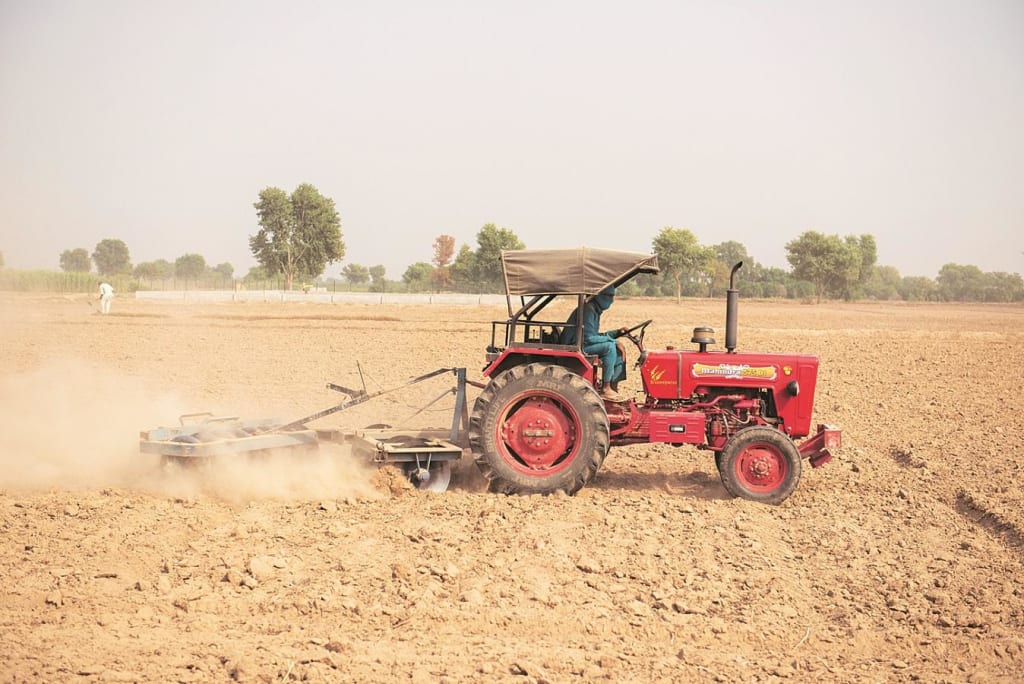
Before you buy a plough for your farm, read this guide. All of the information related to ploughs—what they are, their prices, usages, and key features—can be found here. Whether you're new to farming or have been farming for some time now, you must know about this essential equipment in farming. Let's get started!
Plough Definition:
A plough is farming equipment used to prepare the field for new crops. It turns over the upper portion of the soil, exposing new land, burying weeds and old crops. This helps in creating a new environment in which new seeds can grow. Earlier, ploughs were pulled by animals. But now, they are mostly pulled by tractors as the use of tractors makes such work easier and faster.
What Are The Types of Ploughs Available In India?
In India, Tractor Plough Implements are available in different categories. These are used for different farming needs. Here are some of the most common ones:
1. Mouldboard Plough:
● Description: This is the most traditional and widely used plough in India. It has a curved metal blade (mouldboard) that turns over the soil.
● Uses: Ideal for primary tillage, breaking up and turning the soil to prepare for planting.
2. Disc Plough:
● Description: The disc plough helps to cut and destroy anything that comes in its way including rocks.
● Uses: Perfect for cutting through tough, dry soil and crop residues. It works well in rocky and root-filled fields.
3. Subsoiler Plough:
● Description: This plough has long, narrow blades designed to penetrate deep into the soil.
● Uses: Used to break up hard or compacted soil layers deep below the surface. It enhances drainage and root development.
4. Rotavator:
● Description: A rotary tiller with blades that rotate and break up the soil.
● Uses: Suitable for mixing soil, incorporating fertilizers, and preparing seedbeds in one pass. It's very efficient for small to medium-sized farms.
5. Ridger Plough:
● Description: This plough has two mouldboards that form ridges or raised rows of soil.
● Uses: Ideal for crops like potatoes and other root vegetables, where ridged rows are beneficial for growth and harvesting.
6. Reversible Plough:
● Description: A plough with blades that can be rotated to work in any direction.
● Uses: Allows for continuous ploughing without the need to turn the plough around, saving time and effort.
What is Ploughing in Agriculture?
Ploughing in agriculture implies the breakout and overturning of the soil for cultivation. This helps mix nutrients, bury weeds, and create an excellent environment in which seeds will grow. This process ranges from very simple ones pulled by animals to the more complex ones pulled by a tractor. However, ploughing depends on the size of the farm and the available equipment.
What Are The Agricultural Uses of Ploughs?
Ploughs are basic equipment in agriculture, serving several purposes. They improve the quality of the soil and the production of crops. Some uses include:
● Soil Preparations: Ploughs break up and turn over the soil. This produces a fine soil bed for seed planting. This process makes it easier for the roots to grow in soil and have access to its nutrients.
● Weed Control: Weeds and their seeds are buried by the plow, thereby reducing competition for food and light with the growing crops.
● Mixing Nutrients: Ploughing helps mix organic matter, like crop residues and manure, into the soil. This incorporation improves the fertility of the soil and provides the necessary nutrients to the plants.
● Moisture Retention: Ploughing increases the water-holding capacity of the soil, which is important for plant growth. It is needed in the regions that get low rainfall.
● Pest Control: During land preparation, crop residues and weeds have to be buried, thus changing the habitat and lifecycle of some pests.
● Prevention of Soil Erosion: Proper Ploughing can help prevent soil erosion by enhancing the structure of the soil.
What is the Price of a Plough in India?
The tractor plough price starts from Rs. 28,500 and goes upto 3.05 Lakh. However, plough prices in India can vary widely depending on the type, size, and brand of the plow.
Conclusion:
Ploughs are vital implement in Indian agriculture, helping farmers prepare their soil for planting. It also ensures healthy crop growth. From traditional animal-drawn ploughs to modern tractor-mounted versions, there are various ploughs available to suit different needs and budgets.
By understanding the various types and their uses, farmers can select the right plough. It will help in enhancing their farming efficiency and productivity. Additionally, Investing in a good plow can lead to better soil health, and overall successful farming.
About the Creator
Mahira Kaur
Hello! I'm Mahira and I have a deep passion for agriculture & farming. My interest lies in exploring innovative agricultural techniques and sustainable farming practices that can enhance productivity and ensure environmental stewardship.
Keep reading
More stories from Mahira Kaur and writers in Journal and other communities.
Landforce 7 Feet Rotavator: Choose the Right Model for all your Farming Needs
Modern Machines are changing farming from old methods to new ones. Rotavators are one of them, and they are very useful in modern agriculture. They help farmers prepare the fields for planting crops. The 7 feet rotavators have many blades or tines that break the soil easily and help prepare the land.
By Mahira Kaur2 years ago in Journal
The Truth Behind the Earnings of Cross - border Sales Champions
A cross - border e - commerce sales champion once put it bluntly: Sales is never simply about selling products. Instead, it involves precisely providing emotional value and continuously delivering tangible benefits. Mastering this field not only enables rapid monetisation but also accumulates the most crucial confidence for entrepreneurship. Most people only focus on the surface of successful transactions, failing to understand the underlying logic.
By Lady Alkaid3 days ago in Journal



Comments (2)
Thanks for sharing.
Well written