
✈️ The Rise of Volodya: Humanoid Robots Take to the Skies as Flight Attendants
A deep dive into Pobeda Airlines' groundbreaking trial: Analyzing the Unitree G1's role, the limitations of in-flight robotics, and the future of human-robot passenger interaction.

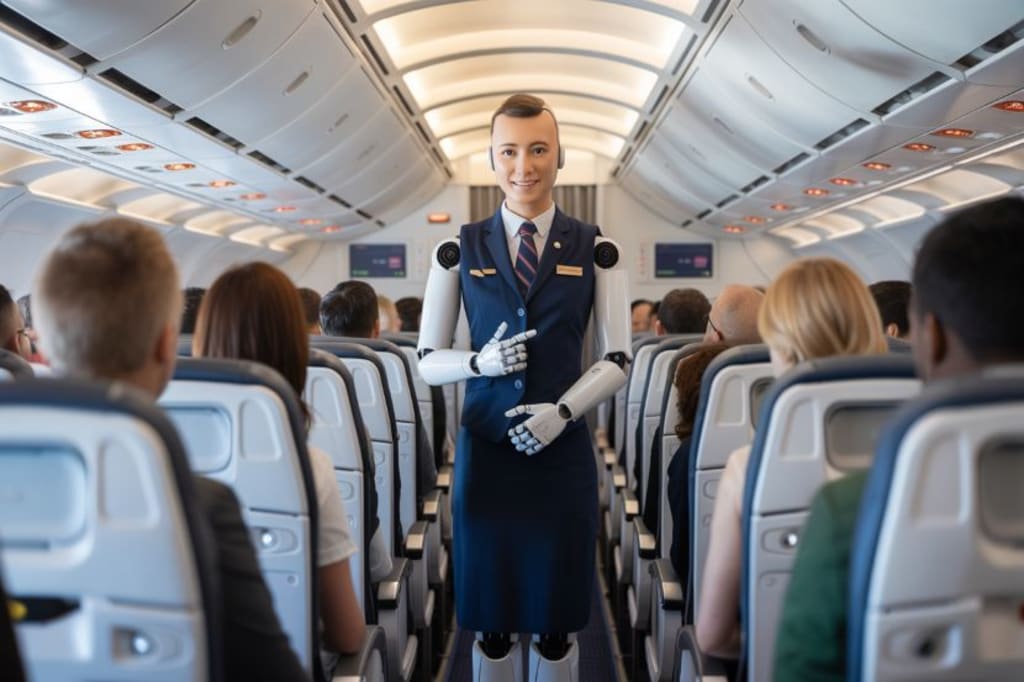
The skies just got a lot more interesting. The recent maiden flight of Volodya, a humanoid robot widely believed to be the advanced Unitree G1 model, serving as a cabin crew assistant on a Pobeda Airlines flight from Ulyanovsk to Moscow, marks a pivotal moment in both commercial aviation and service robotics. While the initial role was scripted and limited, this is far more than a public relations stunt; it is a critical proof-of-concept for integrating complex bipedal systems into the most constrained and heavily regulated consumer environments imaginable: the aircraft cabin.
Pobeda, Russia's low-cost carrier, has earned the distinction of being the first airline to deploy a robot in this capacity. The footage released by AirPro News showed Volodya performing essential, front-of-house duties: greeting passengers at the gate, assisting with pre-flight safety demonstrations, and engaging in simple communication with travelers. This trial, however brief, opens a fascinating discussion about efficiency, passenger experience, and the stringent limits imposed by aviation safety.
The Challenges of the Cabin Environment
The inside of a commercial airplane is an engineering nightmare for an autonomous robot. It is characterized by three major hurdles that Volodya, as a humanoid, must overcome:
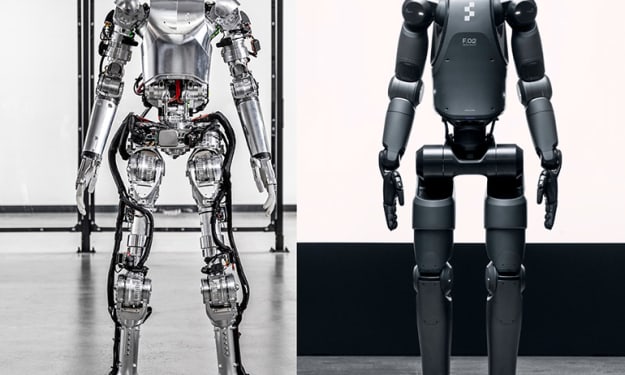
Constrained Space and Balance: Aircraft aisles are narrow, often cluttered with carry-on bags and moving passengers. Unlike factory floors (where robots like Figure 02 operate), the airframe itself is constantly moving, pitching, and rolling, particularly during turbulence. The robot must maintain complex balance using its sophisticated joint motors and sensors, a task that demands exceptional real-time stability from the reinforcement learning technology it employs.
Certification and Safety: Every component placed inside an aircraft must meet rigorous certification standards. The robot itself is a heavy, electrically powered device. Aviation authorities (like the FAA or EASA) currently lack standardized protocols for certifying autonomous humanoid devices that interact directly with passengers, especially concerning emergency procedures. If Volodya were to malfunction and block an aisle during an evacuation, the liability and safety implications would be immense.
Variable Interaction: A human flight attendant manages situations ranging from medical emergencies and passenger disputes to simple beverage service. Volodya, performing scripted movements and basic greetings, operates in a highly controlled, low-stakes environment. As noted in the reports, the robot did not handle food or beverages, indicating that complex tasks requiring fine motor control, object manipulation, and fluid movement along the service aisle remain firmly in the human domain.
The Role of Reinforcement Learning and the Unitree G1
Volodya's successful, albeit basic, performance is owed to the capabilities of its likely hardware platform: the Unitree G1. This model is celebrated in the robotics community for its agility, cost-effectiveness, and advanced locomotion.
The robot's ability to "mimic actions of a human flight attendant" during the safety briefing showcases the power of Reinforcement Learning (RL) and Imitation Learning (IL). Instead of being explicitly coded for every motion, the robot learns complex human movements by observing and practicing, often within a simulation environment before deployment. This allows Volodya to perform natural-looking gestures—a crucial factor in making passengers feel comfortable.
For Pobeda, the G1's presence was a dual win:
Promotional Value: It generated significant buzz, positioning the low-cost carrier as a technology-forward brand. Passengers, especially children, were reportedly thrilled to interact and take photos with the robot.
Data Acquisition: The trial provided invaluable data on passenger acceptance, navigational tolerance within the cabin, and the practical limits of battery life and heat management in a pressurized aircraft environment.
The Future of Cabin Crew: Augmentation, Not Replacement
The fear that robots like Volodya will replace human flight attendants is largely unfounded in the short to medium term. The current deployment clearly indicates that the robot is functioning as a crew assistant or brand ambassador, not a replacement.
Human flight attendants possess essential soft skills and cognitive abilities that no current robot can replicate:
Empathy and De-escalation: Handling medical emergencies, comforting anxious flyers, or diffusing conflicts requires emotional intelligence and nuanced judgment.
Unstructured Problem Solving: Reacting to unpredictable events, like an unexpected spill or a mechanical issue, demands rapid, creative solutions.
Safety Compliance: The core job is safety. A human crew member's ability to physically assist, restrain, or guide passengers during a crisis is irreplaceable.
The more realistic future is augmentation. Robots could eventually handle the repetitive, tedious, and time-consuming tasks: conducting inventory, delivering basic sales items, assisting elderly passengers with baggage storage, or providing real-time, multilingual customer service through interactive displays. This would free up human crew members to focus on high-value, complex, and safety-critical passenger interactions.
Conclusion: A Small Step at 30,000 Feet
The flight of Volodya is a historic moment that successfully demonstrated the feasibility of bringing cutting-edge humanoid robotics into a highly sensitive public setting. It proves that the G1 platform is robust enough to handle the complex physics of an aircraft cabin.
However, the event also highlighted the immense regulatory and technological distance remaining before robots can become full members of the crew. For now, Volodya is an exciting, high-tech novelty. But every flight it takes is one step closer to the day when robots transition from being mere promotional tools to being genuinely useful and certified partners in the skies.
About the Creator
The goals I did not achieve
Every writing goal I made for the year is a wash. It has been this way for a while, but I think it's important to be open about my failures and the reality of how life can get in the way. This is especially true considering the several times I have posted on Vocal about my writing goals, how I was changing my approach, and where I was hoping to be for the upcoming year. I will probably do that again in a couple months, but for now, it is time to acknowledge where I am today.
By Kay Husnick24 days ago in Journal
The Phoenix from the Ashes:
Toxic relationships, in their myriad forms, are insidious vines that can slowly strangle the life out of individuals, leaving them emotionally depleted, psychologically bruised, and often struggling to understand how they ended up entangled in such a destructive web. Whether romantic, familial, or platonic, these relationships are characterized by patterns of manipulation, control, disrespect, and a consistent lack of empathy. Escaping their grasp can be a grueling process, but it's a journey that ultimately leads to profound self-discovery and lasting personal growth. The lessons learned from overcoming toxic relationships are invaluable, shaping our understanding of ourselves, our boundaries, and what we truly deserve in life.
By Wilson Igbasi3 days ago in Journal



Comments (1)
tks!