
The Rise of Digital Fashion: A New Era of Style
Exploring how technology, sustainability, and virtual worlds are reshaping the future of fashion design.

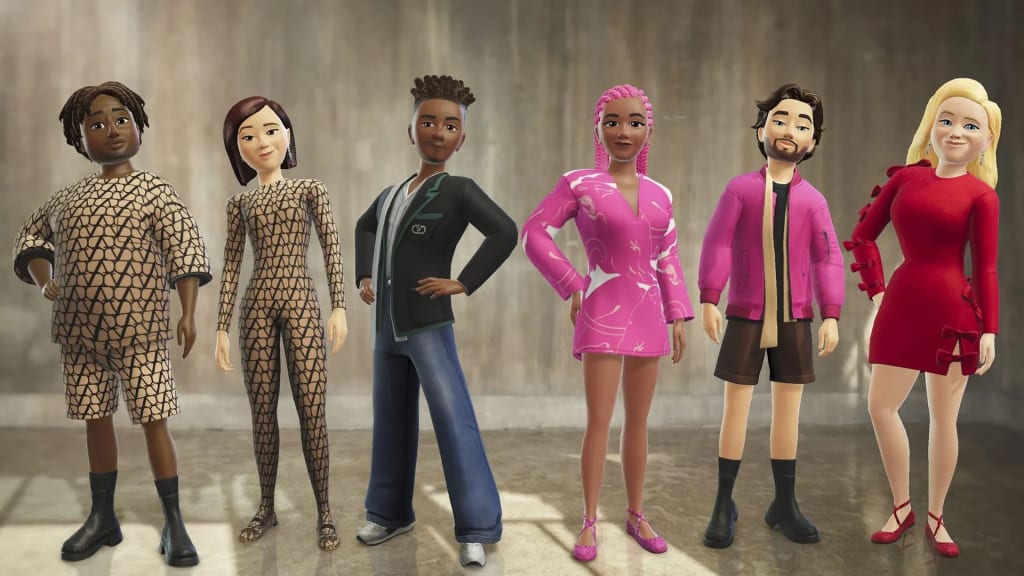
The fashion industry has always evolved with the times—from handmade garments to mass production, and now, to digital fashion. This modern wave is more than just a trend. It's a transformative movement that blends creativity, technology, and sustainability.
What Is Digital Fashion?
Digital fashion refers to clothing designed using 3D software that exists only in digital spaces. These garments are not made from fabric or thread but from pixels and polygons. They’re worn in virtual environments like video games, social media platforms, and even in the metaverse. Consumers can "wear" these items by having them digitally fitted to photos or avatars.
Designers use tools like Clo3D, Marvelous Designer, and Blender to create hyper-realistic digital apparel. The final product can be used for virtual fashion shows, influencer posts, or even NFT-based collections.
The Driving Forces Behind the Trend
Several key factors are propelling the rise of digital fashion:
Sustainability
Traditional fashion is one of the world’s most polluting industries. Digital garments eliminate waste, require no physical materials, and use significantly fewer resources.
Technological Advancements
With the growth of AR, VR, and blockchain technology, digital fashion has found fertile ground. Platforms are emerging where people can showcase and trade digital clothing.
Gaming and Virtual Worlds
Millions of users already buy skins and outfits in games like Fortnite or Roblox. Fashion brands are tapping into these platforms to launch limited-edition digital collections.
Social Media Culture
Many users want new outfits for their online personas without constantly purchasing physical clothes. Digital fashion allows influencers and users to wear high-fashion looks virtually.
Big Brands Embrace the Digital Wave
Luxury brands like Gucci, Balenciaga, and Louis Vuitton have already stepped into the digital space. Gucci partnered with Roblox to sell digital bags, while Balenciaga collaborated with Fortnite for a virtual clothing line. Even Nike has entered the scene by acquiring digital fashion studio RTFKT.
These moves highlight how seriously the industry is taking this shift, seeing it not as a gimmick but a real, scalable revenue stream.
The Role of NFTs in Digital Fashion
NFTs (Non-Fungible Tokens) give digital clothing items authenticity and uniqueness. Owning a digital dress as an NFT means it’s verifiable and can’t be copied or stolen. This makes digital fashion collectible, just like art or luxury watches.
For designers, this also opens a revenue stream via royalties every time a piece is resold. For consumers, it means status and exclusivity—cornerstones of traditional high fashion.
Challenges to Overcome
Despite the buzz, digital fashion faces hurdles:
Accessibility: Not everyone has access to AR devices or the technical know-how to use digital clothing.
Interoperability: Digital garments often work only on certain platforms, limiting their utility.
Perceived Value: Some consumers still struggle to justify paying for clothes they can't physically wear.
However, as tech becomes more mainstream and the metaverse continues to grow, these barriers may fade.
What the Future Holds
The future of digital fashion is not to replace physical garments but to complement them. We’re likely to see hybrid models where consumers receive both a physical and digital version of an item. Digital wardrobes may soon become as essential as physical ones.
Brands will increasingly invest in AR fashion shows, virtual fitting rooms, and blockchain-based fashion ecosystems. Meanwhile, creators will enjoy a level playing field where imagination and code merge to create boundary-pushing designs.
Final Thoughts
Digital fashion is no longer science fiction—it’s today's innovation. It offers a bold new path for fashion to become more inclusive, creative, and environmentally conscious. Whether you're a designer, gamer, or everyday fashion lover, the digital runway is open, and it’s only getting bigger.
About the Creator
Tito Kunze
Titokunze is a skilled professional specializing in large-scale data engineering and analytics. With expertise in designing efficient data pipelines, optimizing data storage, and leveraging advanced analytical techniques.
Keep reading
More stories from Tito Kunze and writers in Journal and other communities.
Social Commerce Rise: Shopping Meets Social Platforms
The digital era has transformed how people connect, communicate, and consume content—and now, how they shop. Social commerce, the intersection of social media and e-commerce, is rapidly evolving from a trend into a dominant force in retail. Whether it’s buying directly from Instagram, TikTok, Facebook, or Pinterest, social media platforms have become the new storefronts.
By Tito Kunze10 months ago in Journal
Einstein’s Early Struggle: The 1895 Swiss Federal Polytechnic Entrance Exam and Lessons in Talent and Perseverance
In 1895, a 16-year-old Albert Einstein faced a setback that many might have seen as a sign of failure: he failed the entrance exam for the Swiss Federal Polytechnic in Zurich. While this moment is often remembered as a youthful stumble in the life of one of history’s greatest scientific minds, it offers profound insights into the nature of talent, learning, and perseverance. Einstein’s experience reminds us that early academic challenges do not define one’s potential, and that success often comes from persistence and leveraging one’s strengths.
By Salaar Jamali2 days ago in Journal




Comments (1)
Digital fashion is redefining style by merging creativity with technology. It's sustainable, innovative, and opens up endless possibilities for self-expression in virtual spaces. The future of fashion is here—and it's digital!