
The Rise of Digital Authoritarianism: How Governments Use the Internet to Suppress Dissent
In the digital age, the internet was once hailed as a tool of liberation—a space where free speech, activism, and truth could thrive beyond the reach of traditional censorship

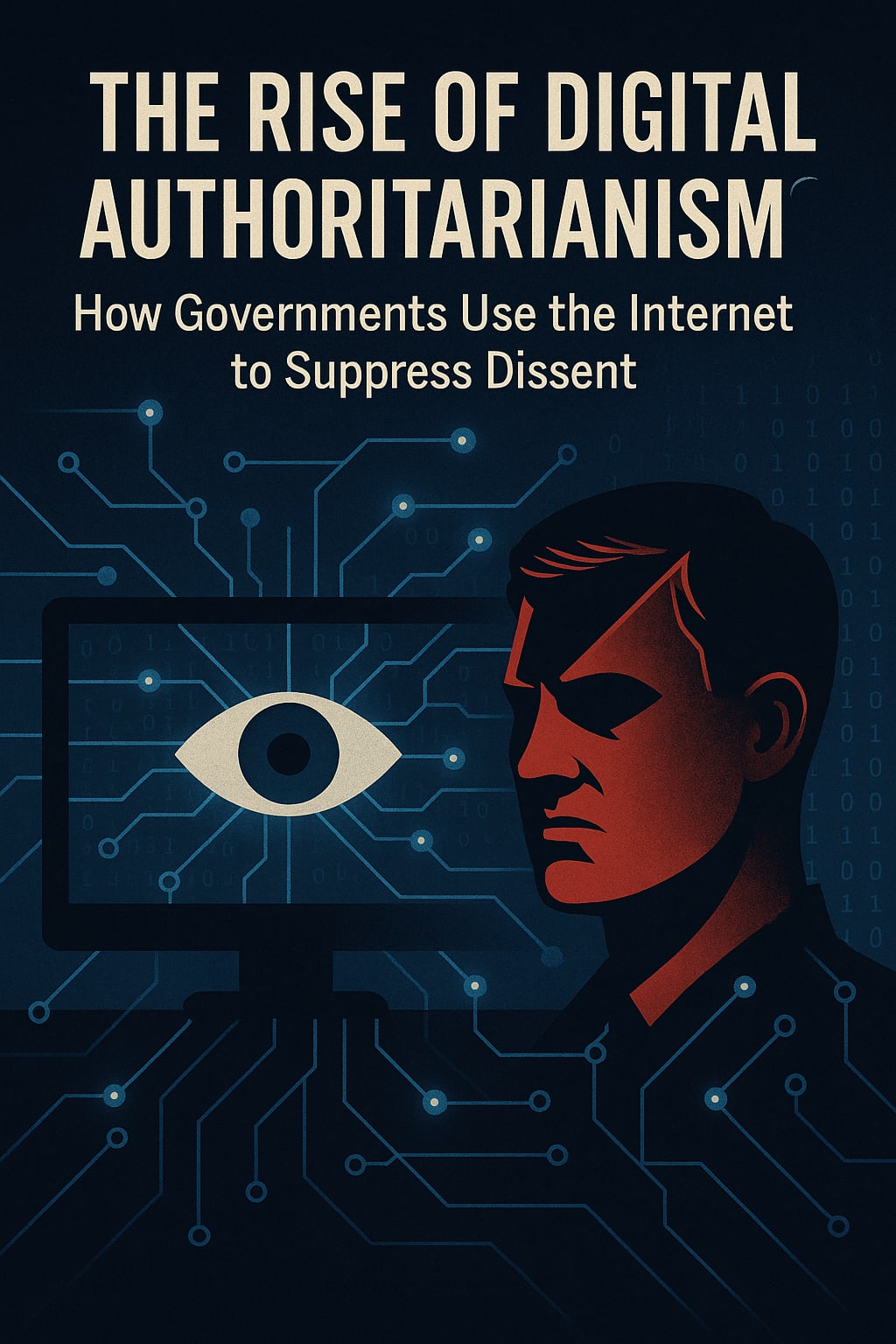
The Rise of Digital Authoritarianism: How Governments Use the Internet to Suppress Dissent
In the digital age, the internet was once hailed as a tool of liberation—a space where free speech, activism, and truth could thrive beyond the reach of traditional censorship. However, over the past decade, a new form of authoritarianism has emerged, one that uses the very same digital tools to monitor, manipulate, and silence dissent. This phenomenon, known as digital authoritarianism, is reshaping the global landscape of civil liberties and democracy.
What is Digital Authoritarianism?
Digital authoritarianism refers to the strategic use of digital technologies by authoritarian regimes—or increasingly, semi-democratic governments—to control information, track citizens, and stifle opposition. From AI-powered surveillance to internet shutdowns and social media manipulation, this modern approach to repression is subtle, efficient, and dangerously effective.
Surveillance as a Weapon
One of the most alarming aspects of digital authoritarianism is mass surveillance. Countries like China have implemented an extensive network of facial recognition systems, AI-based data tracking, and "social credit" scores that reward or punish behavior. Through keyword tracking and algorithmic censorship, the Chinese Communist Party monitors not only physical spaces but also digital spaces using CCTV. This model has inspired other regimes. In Iran, for example, the government tracks citizens’ online activity, monitors encrypted apps like Telegram, and arrests activists based on their digital footprints. In Myanmar, military authorities used social media posts as evidence to detain protesters during the 2021 coup.
Censorship and Internet Shutdowns
Censorship is no longer limited to the newsroom. In many countries, online platforms are heavily censored. In Russia, dissenting voices are silenced through laws that criminalize "fake news" about the government. Independent media outlets are blocked, and foreign platforms like Twitter and Facebook face restrictions or outright bans.
Internet shutdowns are another authoritarian tool. In India, the world's largest democracy, authorities have repeatedly shut down the internet during protests or elections—particularly in Kashmir. This tactic disrupts communication, hinders activism, and isolates communities from the world.
Manipulation of Social Media
While some governments restrict social media, others use it to their advantage. Troll farms, bot accounts, and state-sponsored disinformation campaigns are used to spread propaganda, harass activists, and distort public discourse. The Philippines, under Rodrigo Duterte, saw extensive use of online trolls to silence critics. In Turkey, pro-government accounts flood Twitter with nationalistic hashtags to drown out opposition voices.
This manipulation creates a false sense of consensus, discouraging legitimate dissent and polarizing societies.
Exporting the Model
Perhaps most concerning is that digital authoritarianism is spreading. Authoritarian regimes are not only applying these tactics at home—they're exporting the technology and know-how abroad. Chinese tech companies have sold surveillance equipment to over 60 countries, including those with poor human rights records. Allies in Africa and Central Asia have received training in digital governance from Russia. Even in Western democracies, elements of digital authoritarianism are creeping in. Governments have increased surveillance powers under the guise of national security. Content moderation laws sometimes blur the line between regulating harmful speech and suppressing criticism.
Resistance and the Role of Tech Companies
Despite the rise of digital authoritarianism, resistance continues. Activists are using encrypted messaging apps, VPNs, and decentralized platforms to bypass restrictions. Whistleblowers and journalists risk their lives to expose abuses. Global organizations are pushing for stronger digital rights protections.
However, technology companies have a complex role to play. On one hand, platforms like Twitter and Facebook have amplified dissent and exposed injustices. On the other hand, they have bowed to government pressure in some regions, sharing user data or censoring content. The ethics of profit over principle continues to haunt Silicon Valley.
Conclusion
Digital authoritarianism is not a future threat—it is a present reality. The same tools that once promised freedom and connectivity are now being used to build digital walls, not bridges. The global community must recognize this trend for what it is: a silent but insidious erosion of liberty.
Governments, tech companies, and civil society must work together to uphold digital rights and defend the open internet. The fight for freedom is no longer just on the streets; it’s online—and it's far from over.
About the Creator
Sabrina
A curious soul weaving words across emotions, ideas, and the world around us. Her writing seeks meaning in the everyday and beauty in the untold.
Understanding Competition in Your Local Market
Introduction Understanding competition in your local market is essential for building a sustainable and strategic practice or business. Competition influences pricing, service demand, referral patterns, and client expectations. Without a clear understanding of who else serves your target audience, it becomes difficult to differentiate your offerings or position your services effectively. A thoughtful analysis of local competitors helps organizations identify opportunities, refine strategy, and make informed decisions that support growth and long-term success.
By Abdul Mueed5 days ago in Journal
Rachel Reviews: The Spiral Archive by Pieter Hendrik
It's difficult for me to know where to start with a review of this book as it was, for me, an entirely unique experience and one that I'll probably never have again. I don't want that to be interpreted as unenjoyable but it has left me scratching my head a little and ruminating on its content, its themes and its characters.
By Rachel Deeminga day ago in BookClub




Comments
There are no comments for this story
Be the first to respond and start the conversation.