
The Power of Journals: From Personal Reflection to Knowledge
Preservation Journals have been an important part of human civilization for centuries because they allow people to express themselves, record their thoughts, and learn new things

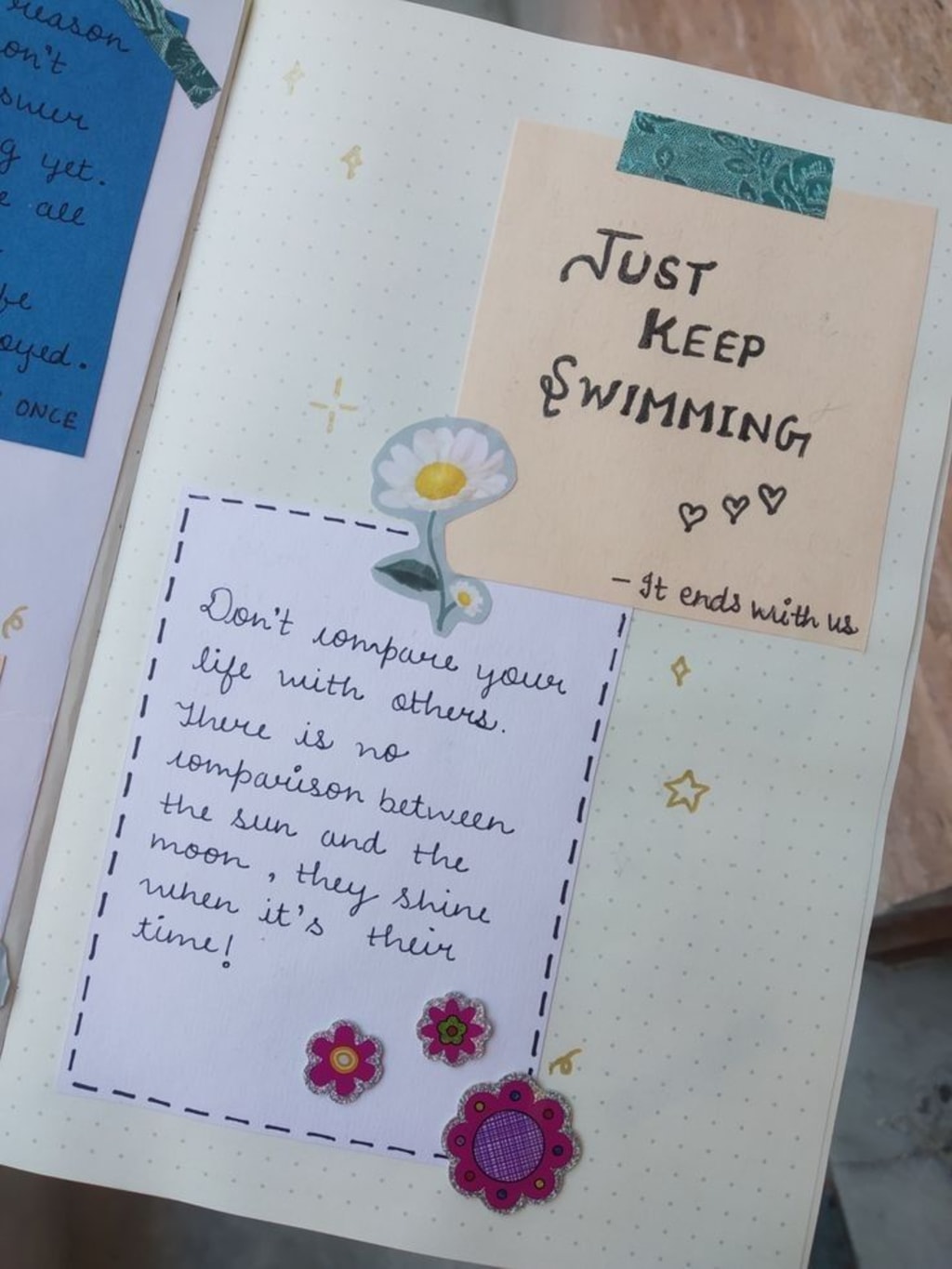
Preservation Journals have been an important part of human civilization for centuries because they allow people to express themselves, record their thoughts, and learn new things. Journals are essential tools that continue to shape societies and individuals alike, whether they are used for academic research, personal development, or public discourse. Historical Background
Journaling has been around since ancient civilizations. In Mesopotamia, clay tablets were used to record economic transactions and events, some of which resemble early forms of journals. Later, during the Renaissance, scholars began maintaining detailed records of their observations, scientific experiments, and reflections. These documents contributed to the development of human comprehension in fields like astronomy, medicine, and philosophy by preserving knowledge over time. One of the most famous examples of early journaling is Leonardo da Vinci’s notebooks. These journals were filled with sketches, scientific diagrams, and philosophical musings. They not only reveal the mind of a genius but also highlight the role journals play in recording the evolution of ideas.
Types of Journals
Today, journals can be broadly categorized into two main types: academic journals and personal journals, though many subcategories exist within each.
1. Academic Journals: Academic journals are periodicals that publish peer-reviewed articles written by scholars and researchers. These journals exist in almost every field—medicine, social sciences, engineering, humanities, and more. They give researchers a place to talk about their latest findings, criticize previous research, and have academic discussions. Examples include The Lancet (medical research), Nature (natural sciences), and The Journal of Political Philosophy (humanities and social science). These publications help maintain the integrity and credibility of academic research by requiring rigorous standards and peer review.
2. Personal Journals: On the other hand, personal journals are written primarily for individual reflection. These may include diaries, travel journals, gratitude journals, dream journals, and more. Unlike academic journals, personal journals are usually private and focus on emotions, experiences, and inner thoughts.
Personal journals that famous people like Anne Frank, Virginia Woolf, and Marcus Aurelius kept provide not only insights into their lives but also reflections on the societies and historical contexts in which they lived. Functions and Importance
Journals serve various purposes, depending on their context and audience.
1. For Academics and Researchers: Academic journals are essential to the scientific method. They allow researchers to:
Share their discoveries with the global community.
Receive feedback and critiques from peers.
Build on previous work through citations.
Stay up to date with current trends and advancements.
These journals also contribute to university rankings, the reputation of scholars, and even funding opportunities. In many countries, publishing in top-tier journals is crucial for career development in academia.
2. For Personal Development and Creativity: There are numerous psychological advantages to keeping a personal journal. It can:
Reduce stress by providing a safe outlet for emotions.
Improve clarity of thought and decision-making.
Enhance creativity through free writing and reflection.
Track progress over time in personal goals or mental health.
In therapy, journaling is often used as a tool to help individuals confront and understand their feelings. Even in education, students are encouraged to maintain journals to enhance critical thinking and reflective learning.
3. For Historical and Cultural Preservation: Journals can serve as historical documents. A diary written during a war or pandemic, for instance, becomes a valuable primary source for historians. The Diary of Anne Frank is a powerful example—it not only documents her personal life but also reveals the horrors of the Holocaust through the eyes of a young girl.
Similarly, field journals maintained by anthropologists, travelers, or folklorists help preserve traditions, customs, and stories that might otherwise be lost.
Digital Transformation With the rise of technology, journaling has taken on new forms. Digital platforms and apps like Penzu, Day One, and Notion allow people to write, store, and organize their journals online. Meanwhile, academic journals have become more accessible through databases like JSTOR, Google Scholar, and ScienceDirect.
Online academic publishing has increased the reach of scholarly research, although it also presents new challenges like plagiarism, open access debates, and the spread of misinformation. In a similar vein, digital journaling raises concerns regarding the security of data and privacy. Conclusion
Whether used for personal reflection or for academic advancement, journals continue to be essential tools in both academic and everyday life. They preserve the past, inform the present, and inspire the future. In a fast-paced world, the act of journaling—whether in a peer-reviewed article or a private diary—encourages us to slow down, think deeply, and engage with the world in a meaningful way.
As technology evolves and new forms of expression emerge, the core value of journals will remain the same: to document, reflect, and share the human experience.
About the Creator
Sabrina
A curious soul weaving words across emotions, ideas, and the world around us. Her writing seeks meaning in the everyday and beauty in the untold.
Compliance Guidelines Every Practice Should Follow
Introduction Compliance is essential for every healthcare practice, regardless of size or specialty. Following established regulations protects patients, staff, and the organization from legal and financial risk. Compliance involves adhering to federal, state, and local laws, as well as accreditation standards. It also requires ethical conduct, accurate documentation, and proper billing practices. Without strong compliance systems, practices may face penalties, audits, or reputational damage. Establishing clear policies and ongoing monitoring ensures accountability. By prioritizing compliance from the beginning, healthcare practices create a stable foundation for safe, ethical, and sustainable operations.
By Abdul Mueed6 days ago in Journal
The Politics of Playing Dress-Up
Well, to start off I'd like to say a happy world book day to all who celebrate. I know I haven't really posted anything on my socials about it but I'm not a jubilant kind of person. I lay low most of the time. Let's start off with a popular anecdote from the vaults...
By Annie Kapur4 days ago in Geeks




Comments
There are no comments for this story
Be the first to respond and start the conversation.