
The Positive Impact of Music on Your Health: Exploring the Psychological Benefits
Many of us underestimate the profound effect music can have on our emotions, thoughts, and even actions. Engaging with music intentionally can uplift us, provide comfort, boost morale, and help us cope with physical and psychological challenges.

Music is often associated with pumping up at the gym or finding solace after a breakup, but its impact goes far beyond that. Many of us underestimate the profound effect music can have on our emotions, thoughts, and even actions. Engaging with music intentionally can uplift us, provide comfort, boost morale, and help us cope with physical and psychological challenges.
Scientists are now uncovering a broader understanding of the incredible benefits music offers for improving both our physical and mental well-being. Research is exploring the use of music as a targeted treatment for various mental health issues, ranging from brain disorders to depression.
Let's delve into some established benefits of music and how it positively affects our health.
Psychological Effects of Listening to Music
Music activates different regions of the brain responsible for processing rewards, pleasure, emotions, and memory. This explains why melody, harmony, and rhythm can profoundly stimulate our senses and influence our breathing, heart rate, and other bodily functions.
Some commonly observed psychological benefits of listening to music include:
- Elevated Mood: It's no surprise that music can boost our mood. However, what may be surprising is that sad music often does this more effectively than happy music. Slow tempo, minor chords, and heartrending lyrics in sad songs tend to resonate with us when we are feeling down.
- Improved Cognition: Research suggests that playing background music during certain cognitive tasks can enhance performance. The effects of musical characteristics on performance vary depending on the type of task. Generally, faster tempos increase reaction time, while slow music enhances memory.
- Better Relaxation: Music can significantly impact both the quantity and quality of sleep. It can shorten the time needed to fall asleep and improve sleep efficiency. Incorporating music into a nightly routine can lead to increasingly better sleep quality over time.
The Impact of Music on Mental Health
Music is deeply rooted in the human experience, dating back to our earliest existence. It has played a vital role in shaping cultures throughout history and continues to be considered the universal language of humankind. Therefore, it's no surprise that there is substantial evidence linking music to cognitive health.
Maintaining good mental well-being involves a balance of positive and negative emotions, and music has the ability to stimulate both. The emotional impact of music is influenced by various factors, including tempo, key, instruments used, and accompanying lyrics (if any).
While it may seem counterintuitive to seek out negative emotions through music, research suggests that people derive pleasure from music-induced feelings of sadness, grief, and nostalgia. It serves as a form of catharsis, supporting emotional resolution and fostering a sense of connectedness. Music can help us process and cope with challenging events and emotions.
Studies consistently demonstrate the remarkable power of music in helping people overcome mental health conditions, particularly anxiety and depression. Music also aids in stress reduction by engaging the brain, increasing productivity, promoting better sleep, and alleviating both physical and mental pain.
The Influence of Music on Human Behavior
By now, it's clear that the advantages of daily music listening are diverse and abundant. Another way music provides great benefits is by triggering and maintaining specific positive behaviors.
In terms of health, music not only inspires exercise but also helps us work harder and stay focused on the activity at hand. Speed and tempo play a significant role in this. We tend to synchronize our movements with the beat of the music, so faster songs result in more intense workouts. Music also acts as a helpful distraction, reducing feelings of fatigue and enabling us to push ourselves further.
Music also holds advantages for individuals aiming to shed a few pounds. Listening to slow and soothing music while eating can help slow down your eating pace, resulting in consuming less than you would without music. Our current activity tends to align with the rhythm of the music. However, it’s important to note the reverse effect as well. Upbeat music can lead to faster eating and potentially greater food intake.
From a productivity standpoint, music has a similar effect on task performance. Faster music often translates to quicker work completion. This is especially true for monotonous and repetitive tasks, such as household chores. Playing music you enjoy makes it easier to tackle your daily responsibilities, resulting in fewer errors. When it comes to cognitively demanding tasks, the influence of music on performance becomes more nuanced, considering the specific qualities of the music.
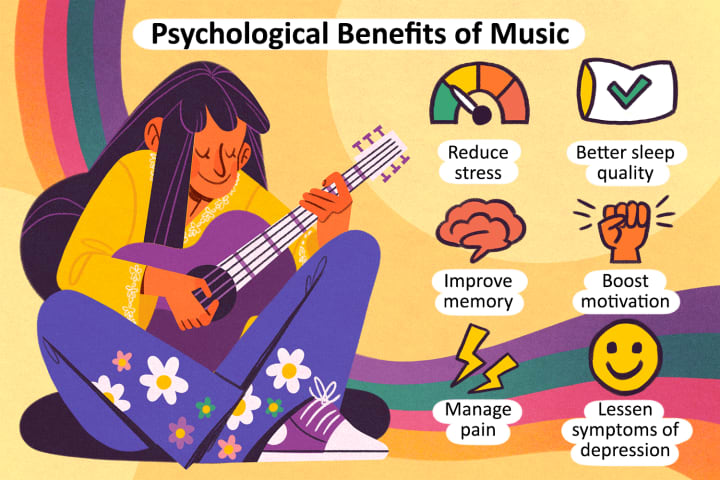
This article merely scratches the surface of the extensive benefits that can be derived from a daily music listening habit. It also emphasizes the importance of matching the characteristics of music to the task and goal at hand. That’s why our mission is to create the most scientifically-informed and evidence-based music application to assist you in achieving your mental health goals and engaging in everyday activities.
About the Creator
Keep reading
More stories from expository and writers in Journal and other communities.
Discover the Ultimate Surfing Destinations in South America
Brazil Including Brazil on this list should come as no surprise due to the abundance of beaches it offers. You’ll find an endless selection that guarantees incredible waves. Rio de Janeiro is home to Barra da Tijuca and Arpoador. While beaches in major cities can get crowded, these spots are ideal for early risers seeking a local experiencee before embarking on a day of activities. Plus, Arpoador, located near Copacabana, is a must-visit. After catching some waves, you can enjoy the small beach-style eateries or indulge in fine dining. How about a barbecue?
By expository3 years ago in Earth
Miss Persephone's Manual to a Seemingly Ordinary Life
Miss Persephone was found at the dining table, her blue eyes swollen, her tears arriving and retreating like the tides of the ocean. Earlier that day, her family had visited her in the retirement home where she had lived for eight years. It was her eightieth birthday.
By Imola Tóth4 days ago in Fiction




Comments
There are no comments for this story
Be the first to respond and start the conversation.