
The Physiological Impact of Dynamic Amusement Rides on the Human Body
Exploring the Multisystem Physiological Reactions Triggered by High-Intensity Amusement Rides like the Pirate Ship and Pendulum Attractions
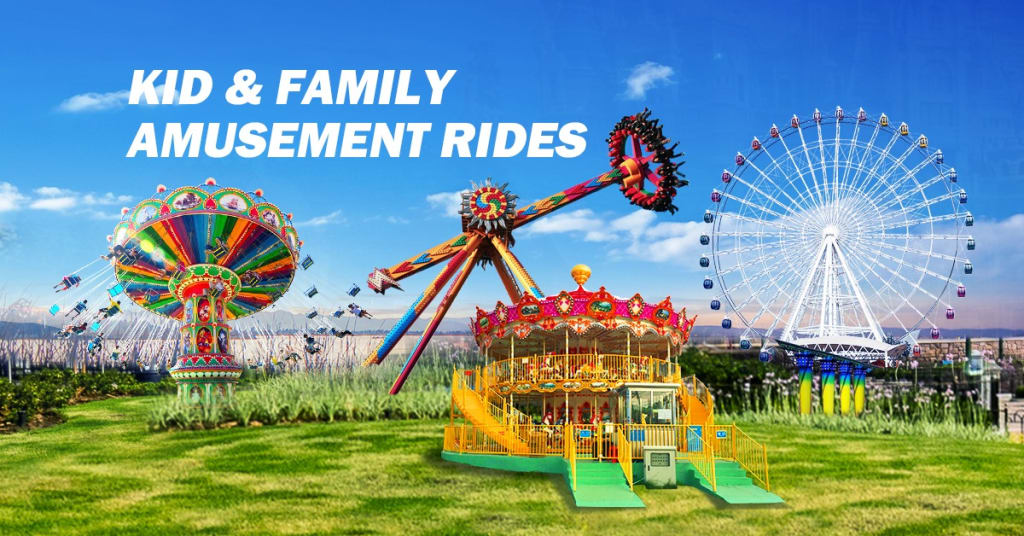
Amusement rides serve not only as sources of entertainment but also as complex mechanical stimuli that exert significant physiological effects on the human body. Among these rides, the pirate ship ride and the pendulum amusement ride exemplify the intense biomechanical forces capable of provoking acute autonomic responses. These rides subject riders to rapid accelerations, angular motion, and transient shifts in gravitational load, triggering measurable changes across multiple body systems.
Vestibular and Proprioceptive System Engagement
The vestibular system, housed in the inner ear, is primarily responsible for detecting changes in balance and spatial orientation. Amusement rides like the pirate ship ride stimulate this system by generating oscillatory motion along an arc. This triggers the semicircular canals and otolith organs to respond to angular and linear acceleration, respectively.
As the pirate ship swings back and forth, it simulates a pendular motion with varying angular velocity. This motion pattern mimics certain aspects of motion sickness triggers such as pitch and roll, often leading to dizziness, vertigo, and nausea in sensitive individuals. The more pronounced the amplitude of oscillation, the more intense the vestibular stimulation, heightening the body’s compensatory mechanisms.
The proprioceptive system, which senses body position through receptors in muscles and joints, becomes heavily engaged during such rides. As the rider braces against gravitational forces (commonly ranging from 1.5 to 3.5 G during peak motion), muscular tension and joint stabilization responses are rapidly recruited.
Cardiovascular Response
The cardiovascular system is immediately impacted by the high-intensity accelerative forces present in pendulum amusement ride experiences. At the onset of motion, there is a sudden increase in sympathetic nervous system activity. Heart rate rises abruptly (tachycardia), and blood pressure experiences temporary spikes due to vasoconstriction and increased cardiac output.
This is largely a result of the fight-or-flight response, a sympathetic discharge that prepares the body to deal with perceived threats. Even though the cognitive brain may register the ride as harmless fun, the body interprets the intense motion and gravitational shifts as stressors. Some studies using real-time telemetry have documented heart rate increases of up to 40% above resting baseline during peak ride dynamics.
Furthermore, changes in blood distribution occur due to the centripetal forces applied during the ride’s swing. Blood tends to pool in the lower extremities during downward arcs, which can transiently reduce cerebral perfusion. This sometimes results in light-headedness or visual disturbances such as tunnel vision.
Respiratory Effects
Changes in thoracic pressure accompany the dynamic forces acting on the chest cavity during high-speed motion. As riders are subjected to sudden drops or rapid ascents, there can be short-term variations in tidal volume (air displaced during inhalation and exhalation) and respiratory rate. In particular, downward plunges may induce momentary breath-holding or sharp intakes of breath due to diaphragmatic reflexes.
The pendulum ride’s design, which typically includes a full rotational or near-vertical arc, forces the diaphragm and intercostal muscles to contract differently depending on the body’s orientation. This may cause discomfort or a sensation of being “winded,” especially at the nadir of the swing when gravitational forces are greatest.
Neurological and Psychological Stimuli
Neurologically, dynamic amusement rides act as potent sensory overload agents. The central nervous system processes rapid changes in visual stimuli, auditory input (such as mechanical noise and rider screams), and vestibular feedback. The brain’s reticular activating system responds to these stimuli with increased cortical arousal.
Adrenaline and cortisol, the body’s primary stress hormones, surge in response to these stimuli. This biochemical cascade produces heightened alertness, pupil dilation, and improved short-term reaction times. Though these effects are transient, they are measurable and reproducible across a wide range of individuals.
Psychologically, the pirate ship ride and similar pendulum-based attractions provide a controlled environment for thrill-seeking behavior. The predictable motion and contained environment allow the brain to derive pleasure from a biologically stressful event. This paradox—enjoying fear—is mediated by the limbic system, particularly the amygdala and nucleus accumbens, which are involved in fear processing and reward mechanisms, respectively.
Endocrine System Modulation
The endocrine system’s acute modulation during high-intensity rides is largely a function of the hypothalamic-pituitary-adrenal (HPA) axis. When a person boards a ride that they perceive as risky or intimidating, the hypothalamus signals the pituitary gland, which then prompts the adrenal glands to release cortisol and adrenaline.
These hormones modulate a broad array of physiological parameters including glucose metabolism, cardiovascular tone, and inflammatory suppression. The net effect is a transient state of heightened physiological readiness followed by a return to homeostasis post-ride. Repeated exposure to such stressors may also contribute to stress inoculation—reducing an individual’s sensitivity to similar stimuli in future experiences.
Gastrointestinal Reactions
A frequent byproduct of ride-induced physiological stress is gastrointestinal disturbance. The gut-brain axis is acutely sensitive to motion-related stress, particularly when conflicting sensory signals are presented. For example, when the eyes perceive motion blur or rapidly changing scenery while the vestibular system indicates movement in a different direction, the resulting sensory mismatch can induce nausea.
This is particularly common in pendulum amusement ride experiences where the motion is cyclical but varies in intensity and direction. The acceleration-deceleration patterns act on the stomach and intestines, causing a visceral displacement that can amplify discomfort or induce emesis in extreme cases.
Conclusion
Amusement rides like the pirate ship ride and pendulum amusement ride function as mechanical simulators of extreme physiological stress. While they are designed for recreational purposes, the forces they exert on the body elicit real, measurable changes across multiple biological systems.
From cardiovascular excitation to neuroendocrine stimulation and vestibular activation, these rides serve as an intersection of entertainment and applied physiology. Understanding the precise nature of these responses not only enriches our appreciation for ride engineering but also informs medical professionals, designers, and thrill-seekers about the limits of human adaptability in high-motion environments.
About the Creator
Beston Amusement Rides
As a leading amusement facility manufacturer, we provide safe and interesting amusement equipment to customers around the world, including roller coasters, Ferris wheels, pirate ships and so on.
Website:https://bestonamusementrides.com/
Keep reading
More stories from Beston Amusement Rides and writers in Journal and other communities.
Engineering Spectacle: The Synthesis of Mechanics and Aesthetics in Amusement Rides
Amusement rides are no longer just feats of mechanical ingenuity; they have become immersive works of art. The seamless convergence of precision engineering and artistic vision has redefined the purpose and perception of thrill attractions. Today’s roller coaster and drop tower are not simply machines; they are storytelling devices, kinetic sculptures, and architectural marvels—all at once. This sophisticated fusion elevates the ride experience beyond adrenaline, embedding emotion, theme, and narrative into the structure itself.
By Beston Amusement Rides9 months ago in Journal
DIY Cowboy Hat Business: Costs and Supply Chain
Last week, a U.S. client reached out to us, looking for help sourcing pure wool felt cowboy hats and all kinds of hat accessories. At first, it didn’t seem unusual, but as we talked more, we realized her main business is actually running a few bars. And she plans to sell these hats in the bars. Surprisingly, this has now turned into a fast-growing, high-ticket, social DIY experience that’s really blowing up in her country.
By Jingsourcing.com 4 days ago in Journal
Miss Persephone's Manual to a Seemingly Ordinary Life
Miss Persephone was found at the dining table, her blue eyes swollen, her tears arriving and retreating like the tides of the ocean. Earlier that day, her family had visited her in the retirement home where she had lived for eight years. It was her eightieth birthday.
By Imola Tóth3 days ago in Fiction


Comments
There are no comments for this story
Be the first to respond and start the conversation.