
The Long Shadow of Dick Cheney and the Weight of Power
Power often looks simple from far away. We imagine firm decisions, steady leadership, and a clear path forward.

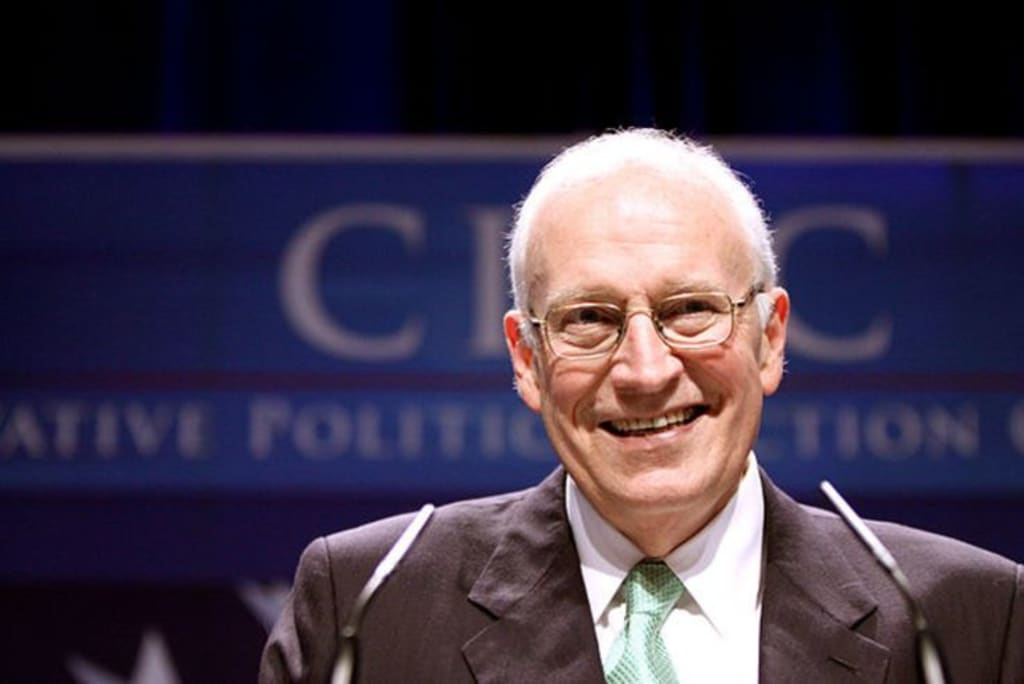
Power often looks simple from far away. We imagine firm decisions, steady leadership, and a clear path forward. But anyone who has followed American politics knows that power carries layers of tension, doubt, and consequence. Few figures show this more sharply than Dick Cheney. His presence in modern history is heavy, complicated, and impossible to ignore. Whether people view him with respect, anger, or something in between, his story raises questions about duty, ambition, and the cost of holding influence during difficult times. This article isn’t about defending or attacking him. Instead, we’ll explore the emotional weight behind the choices he made, the legacy he left behind, and the quiet truths about what it means to shape a country from the inside.
Why Dick Cheney Still Stirs Such Strong Reactions
Dick Cheney remains one of the most debated figures in recent political memory. Even years after leaving office, people still argue about the decisions he supported and the direction he pushed the country toward. His influence touched foreign policy, national security, and the tone of public conversation.
What makes him so hard to dismiss is the seriousness of the moments he handled. He stepped into leadership during a period marked by fear, uncertainty, and anger. In times like these, choices rarely feel clean.
A Quiet, Controlled Presence
Cheney did not carry himself like someone who craved the spotlight. His voice was steady, his expression often unreadable. That calm look made him feel predictable to some and unsettling to others. It added to the sense that he held far more power than he openly expressed.
A Figure People Project Their Feelings Onto
For many Americans, Cheney represents a turning point in how the country responded to danger. Some believe he acted out of conviction. Others believe he pushed the nation into decisions that created long-term pain. Either way, he became a symbol of a deeper emotional divide about trust, safety, and national responsibility.
Early Life and the Shaping of His Outlook
Before becoming one of the most influential vice presidents in history, Cheney grew up in a quiet town in Wyoming. The setting shaped his behavior: steady, private, and disciplined.
The Pull of Responsibility
Growing up in a working-class family, he learned early that life depended on personal effort. That belief in discipline followed him everywhere. People who knew him as a young man often described him as thoughtful and serious in ways that didn’t match his age.
Academic Struggles and New Motivation
Cheney’s early college years were rocky. He made mistakes, faced consequences, and had to rebuild his focus. This period is often overlooked, but it mattered. It showed a side of him many people don’t associate with his later success: vulnerability. Those setbacks changed him. They pushed him to tighten his priorities and find a direction that demanded responsibility.
Cheney’s Rise Through Washington
Cheney didn’t climb through Washington with loud ambition. His rise was quiet, steady, and built through behind-the-scenes work.
From Congressional Intern to Chief of Staff
He started small, as many do, but proved himself through careful attention to detail. Over time, he built relationships and gained trust. Eventually he served as White House Chief of Staff, navigating crises and complicated personalities.
This experience taught him how power really works: not through public speeches, but through strategy, timing, and understanding the emotional landscape of those making decisions.
Years in Congress
Cheney served in the House of Representatives for a decade. His voting record reflected a steady, conservative approach. He rarely chased the spotlight. Instead, he focused on consistency. Supporters saw this as dedication. Critics viewed it as rigidity. Either way, he showed a patience that is rare in politics.
The Vice Presidency That Changed Everything
When Cheney became vice president, many assumed he would take on a quiet, supportive role. They were wrong.
A Role That Rewrote Expectations
Unlike previous vice presidents, Cheney stepped into spaces usually reserved for presidents, advisors, or military leaders. He shaped foreign policy decisions, influenced national security strategies, and became a key voice after September 11.
The Emotional Climate After the Attacks
The fear and grief that followed the attack pushed the country into unfamiliar territory. Leaders had to make decisions under emotional strain. Cheney often spoke about preventing future threats at all costs. For supporters, that stance felt like strength. For critics, it felt like overreach.
Policies That Still Echo Today
Cheney’s support for certain military actions, surveillance methods, and interrogation practices remains one of the most debated parts of his legacy. These policies shaped how the country responded to fear and what it was willing to accept in return for safety.
The Weight of Decisions Made in Crisis
It’s easy to judge past decisions with present clarity, but in real time, the stakes felt enormous. Cheney carried the burden of choices that would shape generations.
The Pressure of Responsibility
Few people truly understand what it means to carry responsibility on a national scale. Cheney did. He saw threats as real and immediate. Every decision he supported reflected a desire to prevent another tragedy.
The Emotional Distance He Maintained
Cheney rarely showed emotion publicly. That stoicism gave some people confidence. Others saw it as coldness. But the absence of visible emotion doesn’t mean he lacked it. Some close to him have said he carried stress in silence.
The Personal Side Most People Never Saw
Public figures rarely reveal their private selves. Cheney was even more guarded than most.
Family as the Center
Despite his serious public image, Cheney cared deeply about his family. He protected them from political attention whenever possible. He often spoke of them as his anchor, especially during his most difficult years in office.
Health Challenges and Mortality
Cheney faced significant health issues, including multiple heart problems. These experiences forced him to confront his own mortality many times. They influenced his worldview, making him more aware of time and the fragility of life.
Why Learning About Cheney Still Matters
Even if someone disagrees with his choices, studying his life offers lessons about leadership, limits, and the emotional strain of national responsibility.
The Complexity of Power
Cheney’s story shows that power isn’t bright or glamorous. It’s heavy. It demands choices that often feel impossible.
The Importance of Understanding Context
Many of his decisions came during moments when fear overshadowed everything. Agreeing or disagreeing with his methods is one thing. Ignoring the emotional climate of the time is another.
A Reminder That Leaders Are Human
It’s easy to forget that people in high positions carry personal fears, lost sleep, and private doubts. Cheney’s quiet manner sometimes made him seem distant, but being private isn’t the same as being emotionless.
The Legacy He Leaves Behind
Dick Cheney’s legacy is tangled. It contains strength, controversy, conviction, and regret.
Supporters See Him as Steady
They believe he protected the country during a frightening time. They point to his discipline, his calm presence, and his decisive approach.
Critics See Him as Overreaching
They argue that his influence pushed the country toward choices that caused harm, both abroad and at home.
The Truth Sits Somewhere in the Middle
Like most major political figures, Cheney belongs to neither extreme view. His life is a reminder that history is shaped by people trying to make sense of uncertainty.
What Cheney’s Story Reveals About Leadership
Leadership isn’t only about being right. It’s about carrying the weight of decisions that don’t have easy answers.
The Courage to Hold Responsibility
Whether someone agrees with Cheney or not, he didn’t back away from responsibility. He stepped into it fully, aware of the consequences.
The Cost of Certainty
Confidence can steady a nation, but it can also narrow perspective. Cheney’s firm approach gave people comfort but also sparked criticism. The line between strength and stubbornness is thin.
Lessons We Can Take From His Journey
Cheney’s life offers lessons, even for people outside politics.
Mistakes Don’t End Your Story
His early struggles didn’t define him. Instead, they shaped his discipline.
Staying Calm Matters
Even during crisis, his steadiness remained. Whether admired or disliked, that calmness taught people how composure affects a room.
Choices Have Long Shadows
His decisions continue to influence the world. Everyone, even outside leadership, leaves a mark through their choices.
The Emotional Distance Between Public Perception and Private Reality
Public figures often become symbols instead of humans. Cheney became a symbol of strength to some and fear to others. But underneath that, he was a man with his own internal battles.
A Figure People Tried to Decode
His quiet expression made it hard to read him. That mystery created room for assumptions. Some saw him as calculated. Others saw him as thoughtful. Few truly knew the emotional reasoning behind his decisions.
Living With Controversy
Cheney understood that his choices invited criticism. He carried that with him. Living under that level of scrutiny requires a thick skin, but it also takes an emotional toll no one can fully measure.
The Quiet After Public Life
After leaving office, Cheney stepped back from the intensity of Washington. He focused more on family, health, and private life.
A Man Who Rarely Seeks Approval
Cheney has never appeared to chase popularity. Whether people praise or condemn him, he stays steady. That unshakable exterior continues to define him.
A Legacy for Future Generations to Debate
His story will continue to spark discussion. People will study his decisions, criticize his policies, and reconsider his choices as time shifts perspective.
Final Thoughts
Dick Cheney is not an easy figure to summarize. His life holds complexity, silence, discipline, fear, duty, and controversy. He shaped the nation during a time filled with uncertainty, and whether admired or criticized, his influence remains woven into the fabric of modern history.
Understanding him means stepping beyond simple opinions. It means acknowledging how fear shapes decisions, how responsibility weighs on a person, and how leadership often asks for choices that only reveal their full cost years later.
Cheney’s story isn’t just political. It’s human. It’s about a man who stepped into moments most people would avoid, accepted the weight of enormous responsibility, and carried it in a quiet, guarded way that still sparks discussion today.
About the Creator
Muqadas khan
Hi! Welcome to my Vocal page. I’ll be sharing fresh articles every day covering stories, ideas, and a bit of inspiration to brighten your feed. Thanks for reading and supporting daily writing! 📖💫
Keep reading
More stories from Muqadas khan and writers in Journal and other communities.
The Quiet Joy of Thanksgiving Coloring Sheets for Every Age
Thanksgiving has a way of slowing life down. For a moment, the world feels gentler. Families gather, old stories surface, and even familiar rooms seem warmer. Yet the holiday can also bring a mix of emotions. Nostalgia sits beside stress, and joy blends with the ache of memories. That’s why simple, grounding activities matter. Thanksgiving coloring sheets offer a small pause when everything feels heavy or rushed. They give kids a place to settle their excitement and adults a reason to breathe. What starts as a casual activity often turns into a moment of connection. In this guide, we’ll explore how these quiet pages can bring comfort, spark creativity, and gently shape a holiday that means something real.
By Muqadas khan2 months ago in Journal
The goals I did not achieve
Every writing goal I made for the year is a wash. It has been this way for a while, but I think it's important to be open about my failures and the reality of how life can get in the way. This is especially true considering the several times I have posted on Vocal about my writing goals, how I was changing my approach, and where I was hoping to be for the upcoming year. I will probably do that again in a couple months, but for now, it is time to acknowledge where I am today.
By Kay Husnick23 days ago in Journal
Which Tasks Benefit Most From a 1080p Desktop Monitor?
Screens guide how people work, learn, and relax every day. A clear screen reduces eye stress and keeps the mind fresh. Recent data show that 1920×1080 (Full HD) remains the most common desktop screen resolution worldwide, with a share of around 20 to 22 percent of all desktop displays in 2025.
By Gabriella Browne4 days ago in Journal




Comments
There are no comments for this story
Be the first to respond and start the conversation.