
The Legal Battle Over Copyright and Its Impact on Creative AI
The insights of the Andy Warhol and the Copyright Debate Surrounding AI-Generated Art

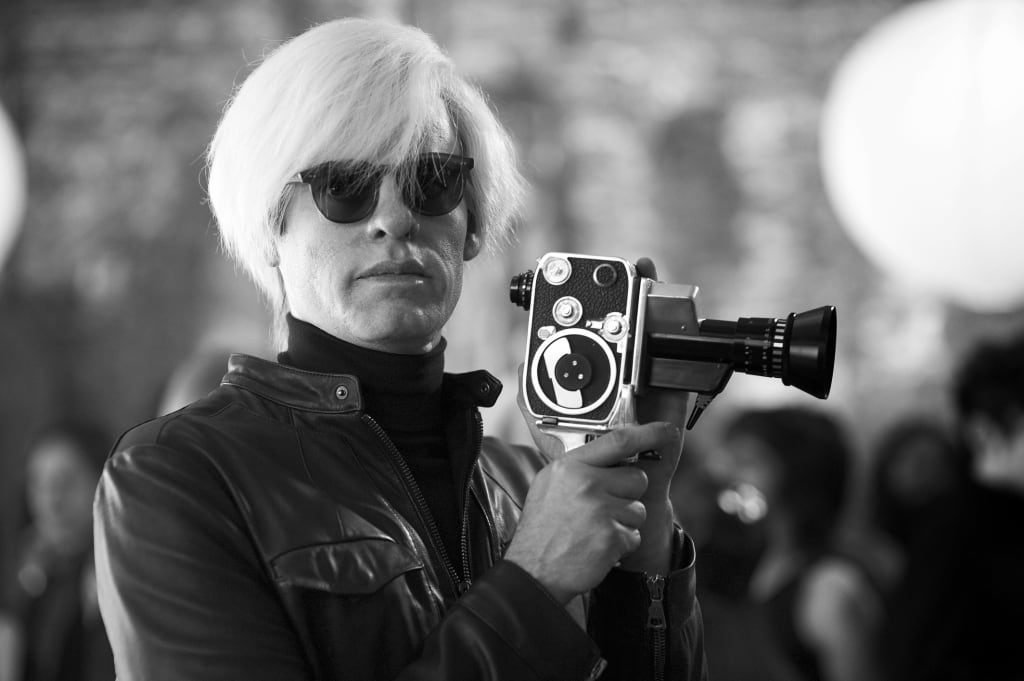
AI-generated art has been gaining popularity among artists and art enthusiasts alike. However, the legal battle over copyright and its impact on creative AI has been a hotly debated topic, especially with the rise of AI-generated art.
One of the most significant debates surrounding AI-generated art is the question of who owns the copyright of the artwork. Is it the creator of the AI, the programmer, or the AI itself?
This question has caused controversy, and the answer is not straightforward.
Andy Warhol and the Copyright Debate Surrounding AI-Generated Art
The debate over copyright and AI-generated art is not new. In the 1960s, the famous artist Andy Warhol faced a similar debate over the copyright of his artwork. Warhol used a silk screen process to create his artwork, which some argued was too mechanical to be considered art.
However, Warhol argued that the process he used was just another medium of art and that he should hold the copyright to his work.
Fast forward to today, and the debate has shifted to AI-generated art. The question remains, should the creator of the AI hold the copyright to the artwork, or should the AI itself hold the copyright? The answer is not so clear cut.
In 2018, a portrait created by an AI program sold for over $400,000 at an auction. The artwork, titled "Portrait of Edmond de Belamy," was created by a French art collective named Obvious.
The collective used a machine learning algorithm to generate the portrait. This artwork sparked the debate over the copyright of AI-generated art, as many questioned who should hold the copyright to the artwork.
Copyright Law and AI-Generated Art
Copyright law is a legal framework that grants exclusive rights to the creators of original works. These exclusive rights include the right to reproduce, distribute, and display the work publicly. Copyright law protects various works, including literary, artistic, musical, and dramatic works.
However, copyright law is not equipped to handle the unique challenges posed by AI-generated art. The law does not explicitly state who should hold the copyright to AI-generated art, leaving the matter open to interpretation.
AI-generated art blurs the lines between human and machine creativity, making it challenging to determine who is the creator of the work. Is it the AI that generated the artwork, the programmer who created the AI, or the person who set the parameters for the AI to follow?
The answer to this question will determine who holds the copyright to the artwork.
The current legal framework surrounding copyright and AI-generated art is unclear, leaving room for interpretation and potential legal disputes. This lack of clarity has led some to question whether copyright law is outdated and in need of an update.
Potential Solutions to the Copyright Debate
One solution to the copyright debate surrounding AI-generated art is to create a new legal framework that specifically addresses the challenges posed by AI-generated art.
This framework would need to define who holds the copyright to AI-generated art and how copyright ownership can be transferred.
Another potential solution is to assign joint ownership of the copyright to both the creator of the AI and the AI itself. This solution acknowledges the role of both the human creator and the machine in the creation of the artwork.
However, assigning joint ownership of the copyright to both the creator and the AI raises additional questions. For example, how do you determine the percentage of ownership each party holds? How do you ensure that the AI's rights are protected?
It is important to address this issue proactively to avoid potential legal disputes and to ensure that artists and creators are properly compensated for their work.
About the Creator
Isaac Kirby
Creating compelling and informative content that helps readers understand complex concepts of trademark registration for brand protection.
Keep reading
More stories from Isaac Kirby and writers in Journal and other communities.
The Future of AI: A Call for Looser Copyright Laws from Google
From self-driving cars to voice assistants like Siri and Alexa, AI is rapidly changing the way we interact with technology. However, as AI continues to evolve, it is raising questions about copyright laws and how they apply to machine-generated content.
By Isaac Kirby3 years ago in Journal


Comments
There are no comments for this story
Be the first to respond and start the conversation.