
The Future of AI: A Call for Looser Copyright Laws from Google
Exploring the Implications and Consequences of Google's Request for Looser Copyright Laws in Australia

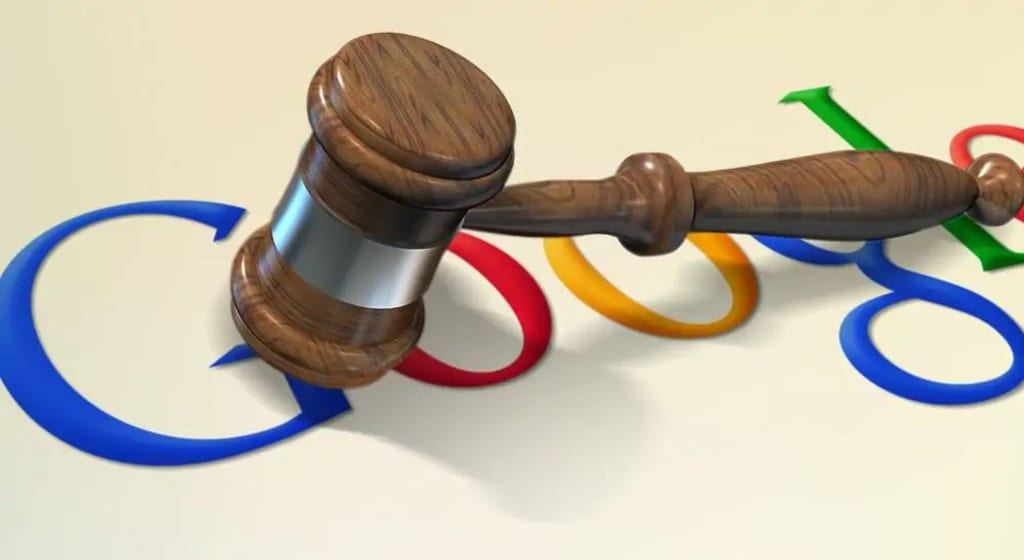
From self-driving cars to voice assistants like Siri and Alexa, AI is rapidly changing the way we interact with technology. However, as AI continues to evolve, it is raising questions about copyright laws and how they apply to machine-generated content.
This has led to a recent call from Google for looser copyright laws in Australia.
AI and Copyright
One of the main challenges with AI and copyright is the fact that machines can create content that is very similar to human-generated content.
For example, AI algorithms can generate news articles, music, and even artwork. In some cases, the content generated by machines is so similar to human-generated content that it is difficult to tell the difference.
This raises questions about who owns the copyright to content created by machines. Is it the person who programmed the algorithm, the company that owns the machine, or the machine itself?
In many cases, the answer is not clear, which is why there is a growing need for more flexible copyright laws.
Google's Request for Looser Copyright Laws in Australia
In January 2021, Google made a submission to the Australian Senate Committee on the Environment and Communications, calling for looser copyright laws in Australia.
The submission was made in response to proposed changes to Australia's copyright laws, which Google believes could stifle innovation in the AI industry. According to Google, the proposed changes would make it more difficult for companies to use machine-generated content, which would limit the development of new AI technologies.
The company argues that looser copyright laws would allow for more experimentation and innovation in the AI space, which would ultimately benefit consumers.
Google's submission also calls for a more flexible fair use policy, which would allow companies to use copyrighted content for certain purposes without permission from the copyright owner. This would include using content for research and development, as well as for educational purposes.
The Challenges of Looser Copyright Laws for AI
While there are many potential benefits to looser copyright laws for AI, there are also several challenges that need to be considered. One of the main challenges is the potential for copyright infringement.
If copyright laws are too loose, it could be difficult for copyright owners to protect their content from unauthorized use. This could lead to a situation where copyrighted content is being used without permission, which could have a negative impact on the copyright owner.
Another challenge is the potential for low-quality content to flood the market. If companies are able to use machine-generated content without restriction, there is a risk that low-quality content could become more prevalent. This could make it more difficult for consumers to find high-quality content and could ultimately harm the reputation of the AI industry as a whole.
Balancing Copyright and Innovation
As we look to the future of AI and copyright, it is clear that there is a need to balance the interests of copyright owners with the need for innovation in the AI industry. While looser copyright laws could lead to more innovation and collaboration, they could also lead to copyright infringement and low-quality content.
To strike the right balance, it is important for policymakers to consider the interests of all stakeholders involved. This includes copyright owners, AI developers, and consumers.
By taking a balanced approach, we can ensure that copyright laws support innovation while also protecting the rights of copyright owners.
Key Takeaways
The future of AI is exciting, but it also raises important questions about copyright and how it applies to machine-generated content. While copyright laws have traditionally been designed to protect the rights of human creators, they may need to be reexamined as AI becomes more prevalent.
Google's recent call for looser copyright laws in Australia is just one example of how the AI industry is pushing for more flexible copyright laws. While there are many potential benefits to looser copyright laws, there are also several challenges that need to be considered.
About the Creator
Isaac Kirby
Creating compelling and informative content that helps readers understand complex concepts of trademark registration for brand protection.
Keep reading
More stories from Isaac Kirby and writers in Journal and other communities.
The goals I did not achieve
Every writing goal I made for the year is a wash. It has been this way for a while, but I think it's important to be open about my failures and the reality of how life can get in the way. This is especially true considering the several times I have posted on Vocal about my writing goals, how I was changing my approach, and where I was hoping to be for the upcoming year. I will probably do that again in a couple months, but for now, it is time to acknowledge where I am today.
By Kay Husnick23 days ago in Journal
The Phoenix from the Ashes:
Toxic relationships, in their myriad forms, are insidious vines that can slowly strangle the life out of individuals, leaving them emotionally depleted, psychologically bruised, and often struggling to understand how they ended up entangled in such a destructive web. Whether romantic, familial, or platonic, these relationships are characterized by patterns of manipulation, control, disrespect, and a consistent lack of empathy. Escaping their grasp can be a grueling process, but it's a journey that ultimately leads to profound self-discovery and lasting personal growth. The lessons learned from overcoming toxic relationships are invaluable, shaping our understanding of ourselves, our boundaries, and what we truly deserve in life.
By Wilson Igbasi2 days ago in Journal


Comments
There are no comments for this story
Be the first to respond and start the conversation.