
The Journey of Ceylon Tea: From History to Present Day
One of best tea on world


Ceylon tea, celebrated for its unique flavors and exceptional quality, has a rich history that is deeply intertwined with Sri Lanka’s colonial past and agricultural evolution. This remarkable beverage has become a symbol of heritage, captivating tea enthusiasts around the globe.
#### Historical Background
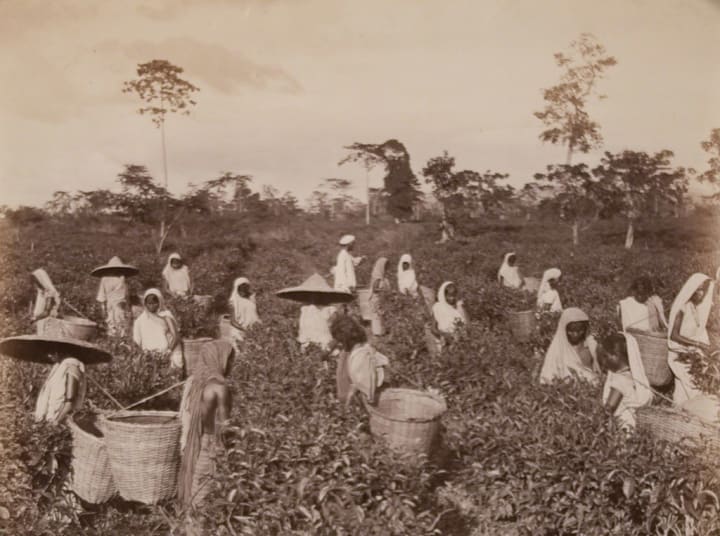
The cultivation of tea in Sri Lanka began in the mid-19th century. Although the island was initially known for its coffee production, a devastating coffee blight in the 1860s prompted local planters to explore alternative crops. James Taylor, a Scottish planter, is often credited with establishing the first tea plantation in 1867 at the Loolecondera estate in the central highlands. His pioneering efforts laid the foundation for what would develop into a thriving tea industry.
As tea plantations flourished, the British colonial administration recognized the immense potential of Ceylon tea in the global market. By the late 19th century, Sri Lanka emerged as one of the world's leading tea producers. The island’s strategic location, combined with its favorable climate, allowed for the cultivation of a variety of tea types, including black, green, and white teas.
#### The Rise of Ceylon Tea
The late 19th and early 20th centuries marked a golden era for Ceylon tea. The establishment of the Ceylon Tea Board in 1934 played a pivotal role in regulating the industry, ensuring quality control, and promoting Ceylon tea internationally. During this time, the branding of Ceylon tea as a premium product began, with the iconic Lion logo becoming synonymous with exceptional quality.
Ceylon tea’s distinctive flavors are attributed to the unique growing conditions in different regions, such as Nuwara Eliya, Dimbula, and Uva. Each area produces teas with unique characteristics, contributing to a diverse range of flavors and aromas. This variety helped to establish Ceylon tea's reputation globally, making it a highly sought-after product in international markets.
#### Challenges and Changes
Despite its successes, the Ceylon tea industry faced significant challenges throughout the 20th century. The political landscape of Sri Lanka underwent dramatic changes, particularly during the civil unrest of the 1980s and 1990s. This conflict led to labor shortages and disruptions in tea production, impacting exports.
Moreover, the global tea market became increasingly competitive, with countries like India and China expanding their production capabilities. The advent of mass-produced tea bags further altered consumer preferences, prompting Ceylon tea to adapt to evolving market dynamics.
In the early 21st century, the Sri Lankan government and tea producers began focusing on branding Ceylon tea as a luxury product. Efforts were made to promote the heritage of the tea industry, highlight traditional production methods, and showcase the unique characteristics of various tea regions.
#### The Modern Era: Sustainability and Innovation
In recent years, Ceylon tea has evolved to meet modern consumer demands for sustainability and ethical sourcing. Environmental concerns and the impact of climate change have prompted many tea producers to adopt sustainable farming practices. Initiatives such as organic certification and fair trade have gained traction, appealing to environmentally conscious consumers.
The COVID-19 pandemic further accelerated the shift towards online sales and digital marketing. Many producers and brands have embraced e-commerce platforms, enabling them to reach global customers directly. This transition not only expanded market access but also allowed consumers to learn more about the origins of their tea and the dedicated individuals behind its production.
Moreover, the rise of specialty teas and premium blends has opened new avenues for Ceylon tea. Producers are experimenting with innovative flavors, blending traditional Ceylon tea with other botanicals to create unique offerings that cater to contemporary palates.
#### Cultural Significance and Global Appreciation
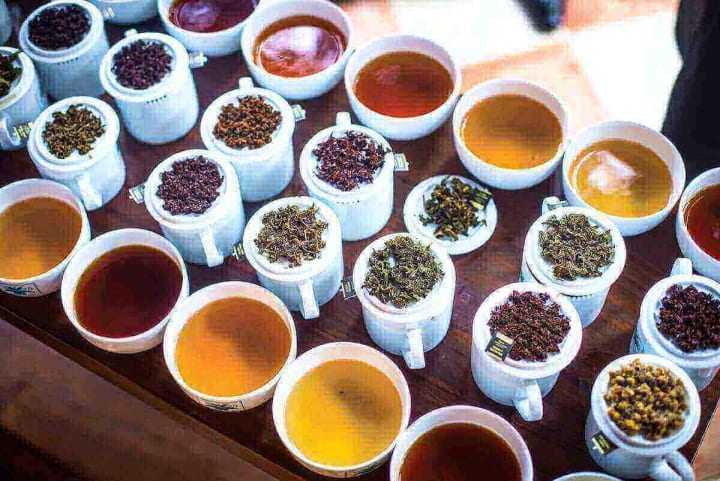
Ceylon tea is not merely a beverage; it is an integral part of Sri Lankan culture and heritage. The ritual of tea drinking is deeply embedded in the island's traditions, often accompanied by local snacks and served to guests as a gesture of hospitality. The significance of tea extends beyond homes, influencing social customs, festivals, and even artistic expressions.
Globally, Ceylon tea is recognized for its quality and diversity, frequently featured in gourmet restaurants and specialty tea shops. As consumer preferences shift towards high-quality, artisanal products, Ceylon tea stands poised to reclaim its status as a premium beverage choice.
#### Looking Ahead
The future of Ceylon tea appears promising, with ongoing efforts to innovate and adapt to market trends. By embracing sustainability and ethical practices, the industry aims to preserve its rich heritage while appealing to a new generation of consumers. Collaborative platforms for smallholders and larger producers can enhance quality and promote fair trade practices, ensuring that the benefits of the tea industry reach all stakeholders.
As the world becomes increasingly interconnected, the story of Ceylon tea continues to unfold. The blend of tradition, innovation, and sustainability will play a pivotal role in shaping the future of this iconic beverage. The journey of Ceylon tea, from its colonial roots to its modern-day prominence, reflects not only the resilience of Sri Lanka's tea industry but also its potential to thrive in a rapidly changing global landscape.
In conclusion, Ceylon tea remains a testament to the island's rich cultural heritage and agricultural prowess. As the industry navigates contemporary challenges and embraces new opportunities, Ceylon tea will undoubtedly continue to enchant tea lovers around the world for generations to come.
For those seeking an unforgettable experience, a visit to Sri Lanka offers not only the chance to savor exquisite Ceylon tea but also to immerse oneself in the stunning landscapes and warm hospitality of this beautiful island nation.
*Sources from some news sources and ChatGPT
About the Creator
Keep reading
More stories from Chamod Piumal and writers in Journal and other communities.
The Binance App: A Transformative Journey in Cryptocurrency Trading
In the dynamic world of cryptocurrency, the Binance app has become an essential tool for both traders and investors. Launched in 2017, Binance swiftly established itself as a leader in the crypto exchange market. So, what distinguishes the Binance app from its competitors?
By Chamod Piumalabout a year ago in Trader
The Expanding Responsibilities of Today’s Chief Financial Officer
The responsibilities of a Chief Financial Officer have changed steadily over the past several years. While financial accuracy and compliance remain core expectations, many organizations now rely on CFOs for broader guidance. Finance leaders are increasingly involved in planning, operational discussions, and long-term decision-making. This shift reflects a growing recognition that financial insight plays a central role in organizational stability.
By Carolina Guerreno3 days ago in Journal
Autonomy Is The Real Privilege
Good morning, freedom-seekers! Today we’re gonna be looking at autonomy. A strange word, I know; one many would probably look at blankly and run away from on sight. We’re gonna figure out what it actually means, consider how it’s achieved, and decipher just how deeply most of us are tangled up in dependence without realising it.
By That ‘Freedom’ Guya day ago in Humans




Comments
There are no comments for this story
Be the first to respond and start the conversation.