
The Importance of a Multipoint Inspection Sheet: A Complete Guide
One essential tool for ensuring that your vehicles, machinery, or even buildings are in top condition is the multipoint inspection sheet. Whether performing a routine check on your car, inspecting equipment, or ensuring a building is safe, a multipoint inspection sheet can make the process more organized, systematic, and thorough. This blog post will explore a multipoint inspection sheet, why it's crucial, and how it helps maintain safety and performance.
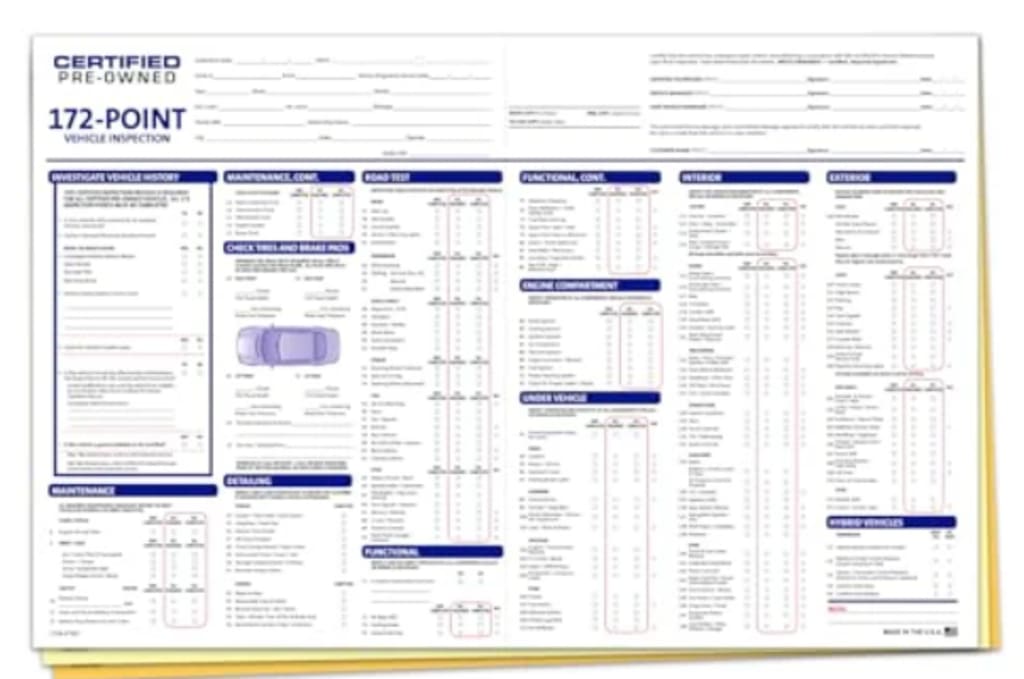
What is a Multipoint Inspection Sheet?
A multipoint inspection sheet is a document used by professionals to carry out detailed inspections of various components in a machine, vehicle, or structure. The sheet lists multiple points that need to be checked, such as the condition of brakes in a car or the structural integrity of a building. Depending on the findings, each point is inspected and marked as "OK" or "needs attention" depending on the findings.
This inspection sheet serves as a guide for the inspector, ensuring that nothing is overlooked and everything is checked in a structured manner. It is a tool that helps inspectors and owners track the health of assets over time.
Why is a Multipoint Inspection Sheet Important?
Thoroughness and Consistency
The primary advantage of using a multipoint inspection sheet is that it ensures no part of the asset is overlooked. When you have a checklist, you’re more likely to perform a comprehensive inspection every time. This inspection consistency is crucial for maintaining the safety and longevity of the checked equipment or asset.
Helps with Maintenance Scheduling
With the multipoint inspection sheet data, you can track which parts of your asset need frequent attention. For example, if your car’s brake pads frequently need replacing, you’ll know to schedule more regular brake checks. This data also helps you anticipate when maintenance is required, making the process more proactive than reactive.
Improves Safety
Regular inspections are essential for ensuring the safety of machinery, vehicles, and structures. A multipoint inspection sheet makes it easier to identify potential issues before they become serious problems. This is especially important for vehicles, where neglecting certain checks could lead to accidents or breakdowns.
Documentation and Record-Keeping
A multipoint inspection checklist also serves as a record of inspections done. Keeping a history of inspections can be valuable for future reference, especially if any issues arise or you must show proof of regular inspections for compliance reasons.
Increases Efficiency
Using an inspection sheet simplifies the process. Instead of trying to remember what to check or having to rely on your memory, the sheet provides a clear and organized list of points to follow. This allows the inspector to work quickly and efficiently while maintaining a high level of detail.
How Does a Multipoint Inspection Sheet Work?
A multipoint inspection sheet is typically divided into sections depending on what is being inspected. For example, when inspecting a car, the sheet might have categories for:
Engine
Brakes
Tires
Lights and signals
Fluid levels
Each of these categories will have individual points to check, such as tire tread depth or brake pad thickness. After inspecting each part, the inspector will mark whether it meets the required standard. If a part is found to be defective, it will be flagged for repair or replacement.
Similarly, for a building inspection, the sheet might have categories for the foundation, roof, plumbing, electrical systems, etc., with individual points under each category.
The Role of a Multipoint Inspection Checklist
A multipoint inspection checklist is closely related to the inspection sheet, but it usually refers to the actual list of items that need to be checked. Think of it as a detailed outline. It can be customized based on what’s being inspected, ensuring that the right areas are being addressed.
For instance, a multipoint checklist for a restaurant might include items like:
Checking the condition of fire alarms
Inspecting plumbing and drainage
Examining the kitchen equipment
By using this checklist, restaurant owners can ensure that they’re meeting safety regulations and that their restaurant is functioning smoothly.
How to Create a Multipoint Inspection Sheet
If you’re creating a multipoint inspection sheet for your business or personal use, here are a few things to keep in mind:
Identify Key Inspection Points
Start by identifying the most critical parts of the asset being inspected. For a car, these might include the engine, brakes, lights, and tires. For a building, it could be the foundation, roof, electrical wiring, and plumbing. Your goal is to list out every area that needs regular attention.
Create Clear, Easy-to-Understand Categories
Break your inspection sheet into categories. This makes it easier for the inspector to navigate the sheet without missing important details.
Make It Simple
While it’s important to be thorough, avoid complicating the sheet. Keep the language simple, and make sure the layout is user-friendly.
Include Space for Notes
Ensure that there’s enough space on the sheet for the inspector to jot down any additional notes. This helps track repairs or highlight issues that require attention later.
Include Date and Signature Lines
Include a section for the inspector to sign off on the inspection and include the date. This adds to the record-keeping process and can serve as proof of inspection if needed later.
Conclusion
A multipoint inspection sheet is invaluable for anyone involved in the maintenance, safety, and performance of vehicles, machinery, and buildings. Whether you’re a business owner, mechanic, or homeowner, using a multipoint inspection checklist will help you stay on top of important maintenance tasks and avoid costly repairs in the future.
By conducting regular inspections and keeping thorough records, you’ll extend the life of your assets and ensure that they continue to perform safely and efficiently. So, create your multipoint inspection sheet today and enjoy the peace of mind of knowing your assets are in top condition!
About the Creator
Keep reading
More stories from Active Trend and writers in Journal and other communities.
The Benefits of Countertop Fridges for Home and Business Use
What is a Countertop Fridge? A countertop fridge, also known as a counter fridge, is a small refrigerator designed to sit on a counter or other elevated surface. These fridges are typically smaller than traditional refrigerators, making them perfect for spaces where size is an issue. Countertop fridges are great for storing drinks, snacks, and other essentials that don't require a large refrigerator. They are available in various sizes, styles, and cooling capacities, making choosing one that fits your needs easy.
By Active Trend11 months ago in Journal
I Published 4 Kindle Books That Flopped. Here’s How “Keyword Archaeology” Unlocked My First Bestseller.
How I Went from Guessing to Earning: The Unsexy Truth About Finding Kindle Gold Let’s rewind three years. I was sitting at my kitchen table, the glow of my laptop the only light in the room. My fourth Kindle book had just launched into the void. Crickets. Not a single sale in 48 hours. The crushing silence was louder than any criticism.
By John Arthor3 days ago in Journal


Comments
There are no comments for this story
Be the first to respond and start the conversation.