
The impact of sugar on cholesterol: Studies reveal the hidden connection and how to protect your heart
A Science Focus article explains the various links to protein production. Experts offered strategies for maintaining cardiovascular health, with small changes that can make a difference.

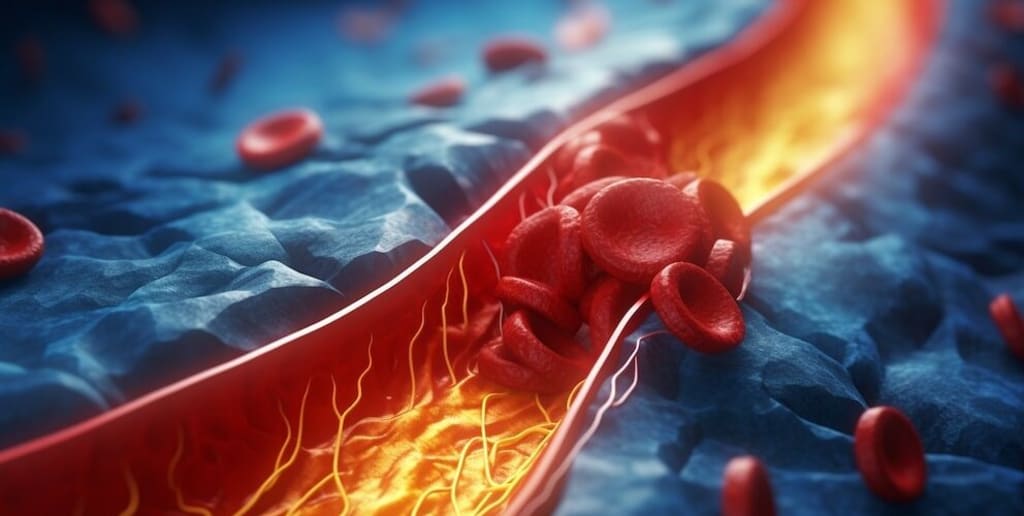
Cholesterol has traditionally been viewed as an adversary in the fight for cardiovascular health. Although its reputation as a dangerous accumulation of body fat capable of clogging arteries and leading to heart disease is well-known, the reality is that the situation is much more complex.
In a detailed report, Science Focus shared that cholesterol plays a vital role in the body, and high levels often operate without visible symptoms. Specialists offered their perspectives on the duality of cholesterol and its health risks, depending on its levels.
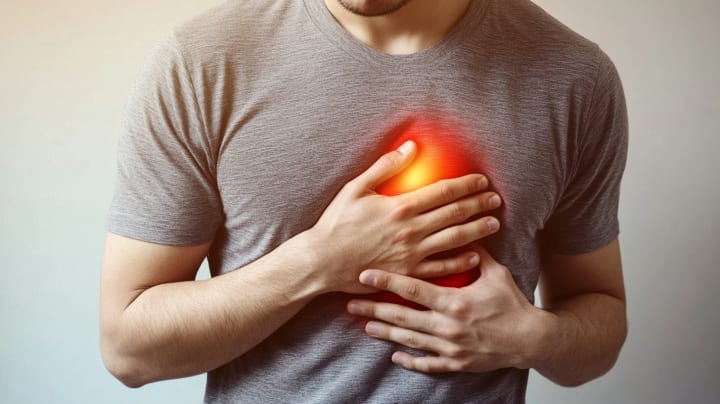
Understanding Cholesterol
Often regarded as the ultimate villain in heart health, cholesterol is an essential substance that plays a critical role in the human body.
According to Sir Rory Collins, director of the Nuffield Department of Population Health, “Cholesterol plays a crucial role in the construction of cell membranes and is important in several hormones and other biological substances that keep us alive.”
However, excess cholesterol, especially in Western populations, exceeds levels considered healthy. These trends raise concerns about cardiovascular disease.
Prevalence and Risks of High Cholesterol Levels
High blood cholesterol has been directly linked to life-threatening diseases. According to a report by the World Heart Foundation, this type of cholesterol is responsible for approximately 4.4 million deaths annually.
These elevated levels are silent; according to some official estimates, up to 39% of people worldwide may have elevated levels without even knowing it. According to Steve Humphries, professor of cardiovascular science at University College London, most people don't know their levels until they reach age 40 or 45, when "their arteries are already full of cholesterol."
Managing and Preventing High Cholesterol
Proper management of high cholesterol begins with knowledge, according to experts. Talking to a doctor and getting tested regularly is essential for those who want to prevent complications. Understanding that cholesterol doesn't travel freely through the body, but rather in particles called lipoproteins, is key.
Low-density lipoproteins (LDL) are responsible for carrying cholesterol from the liver throughout the body, while high-density lipoproteins (HDL) transport cholesterol back to the liver for processing. Keeping LDL levels low and HDL levels high is essential for optimal health.
Diet's Impact on Cholesterol
There is a common misconception that directly associates the foods we eat with the cholesterol present in our bodies. In reality, most cholesterol is produced by our liver, and only 20% comes from our diet.
Avoiding animal fats, such as those found in meat and dairy products, is one way to keep cholesterol under control, according to specialist Collins.
It's also crucial to keep in mind that foods high in saturated fats, found in tropical oils and baked goods, can encourage the liver to produce more low-density lipoproteins (LDL).
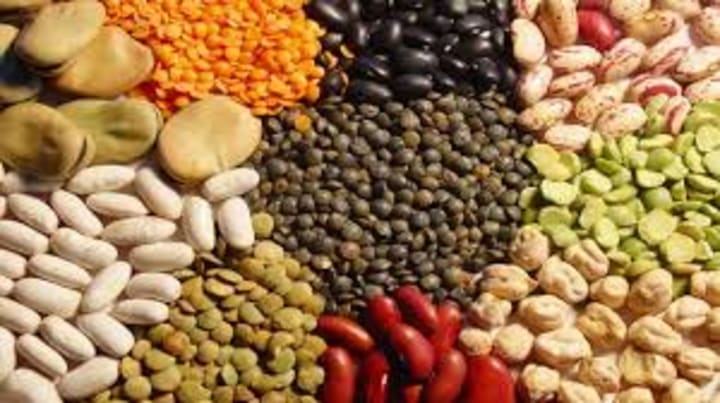
Reducing these fats and sugars in the diet is a vital first step in controlling cholesterol. Replacing these foods with fiber-rich options, such as whole grains and legumes, can help lower LDL cholesterol levels by acting as a shield that prevents cholesterol from entering the bloodstream.
Exercise and Cholesterol Reduction
Physical activity plays a key role in lowering cholesterol levels. Research has indicated that aerobic exercise can significantly improve HDL levels while reducing overall inflammation in the body.
Furthermore, regular exercise "teaches muscles" to use saturated fat as an energy source, thereby reducing its presence in the body. Evidence also supports the inclusion of resistance training, where weight lifting has been scientifically proven effective in lowering LDL levels.
Drug Treatments for Cholesterol
For some people, controlling cholesterol through diet and exercise may not be enough. Factors such as aging and genetic conditions can exacerbate the risk of high cholesterol.

In these cases, medications such as statins offer a solution. These work by inhibiting cholesterol production in the liver, but can have side effects such as muscle aches and dizziness.
Similarly, as Collins noted, although "the associated risks are higher compared to diet and exercise," the benefits of these medications in severe cases tend to outweigh the drawbacks.
A personalized approach to cholesterol-related issues is essential, as needs can differ from person to person. If you have any concerns about cholesterol levels, it is advisable to consult a doctor for appropriate, individual guidance.
About the Creator
Omar Rastelli
I'm Argentine, from the northern province of Buenos Aires. I love books, computers, travel, and the friendship of the peoples of the world. I reside in "The Land of Enchantment" New Mexico, USA...
Keep reading
More stories from Omar Rastelli and writers in Journal and other communities.
The ABCs of data centers: what they are, what they are used for, and who works in such a place.
Although the concept of a data center may seem distant or unfamiliar, these facilities are fundamental to maintaining daily connectivity, sending messages, making bank transfers, and accessing digital services at all times.
By Omar Rastelli20 days ago in Journal
The Expanding Responsibilities of Today’s Chief Financial Officer
The responsibilities of a Chief Financial Officer have changed steadily over the past several years. While financial accuracy and compliance remain core expectations, many organizations now rely on CFOs for broader guidance. Finance leaders are increasingly involved in planning, operational discussions, and long-term decision-making. This shift reflects a growing recognition that financial insight plays a central role in organizational stability.
By Carolina Guerrenoa day ago in Journal




Comments
There are no comments for this story
Be the first to respond and start the conversation.