
The ABCs of data centers: what they are, what they are used for, and who works in such a place.
The popularity of these spaces has grown due to significant investments from large companies. Alphabet, Google's parent company, acquired the data center company Intersect for USD 4.750 millions.

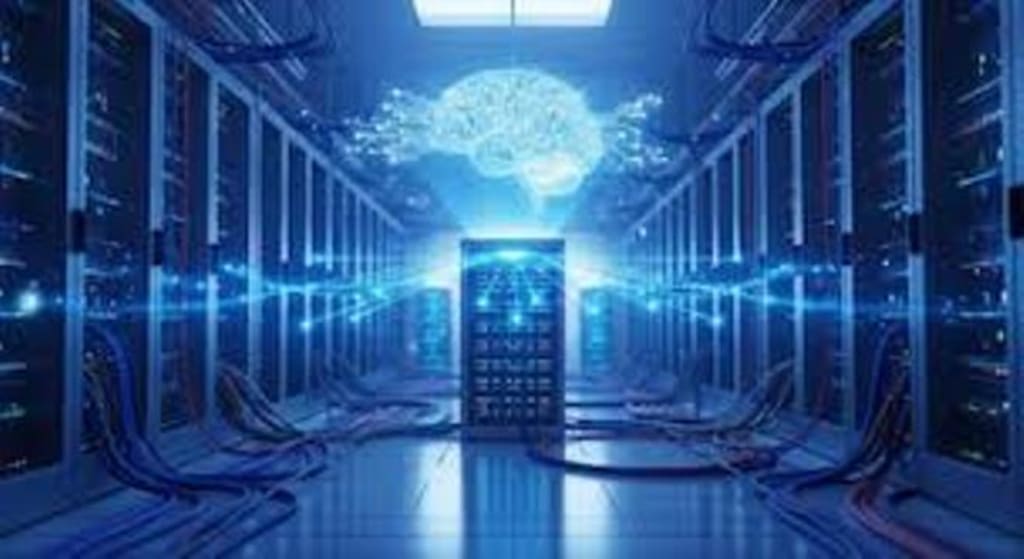
Although the concept of a data center may seem distant or unfamiliar, these facilities are fundamental to maintaining daily connectivity, sending messages, making bank transfers, and accessing digital services at all times.
Furthermore, they have become a topic of significant interest because companies like Google, Microsoft, and Meta Platforms are investing millions of dollars in these facilities, driven by the rise of artificial intelligence.
Recently, Alphabet, Google's parent company, announced the acquisition of Intersect, a company specializing in data center services and energy infrastructure, for USD 4.750 millions (€4.041 millions), including its debt.
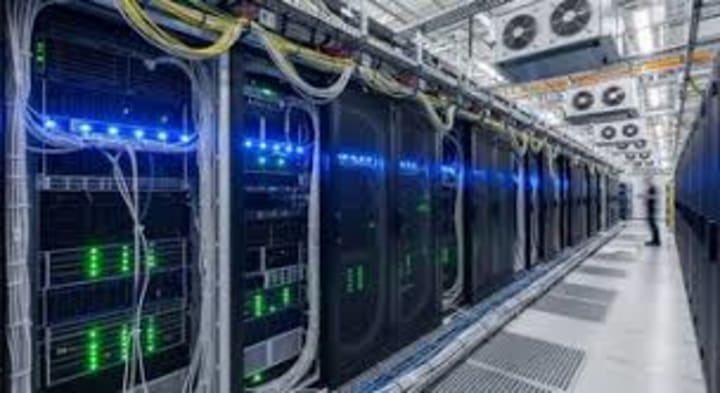
Below, we'll explain everything about these facilities and how they work.
What is a data center and what is it used for
A data center is a facility designed to house servers. To understand this more precisely, Eduardo Espinel, director of Ilkari Colombia, explains this term with the following analogy:
“We all have a computer that we use, and it needs a power supply to operate. If you unplug it, it runs on a battery for a certain amount of time until the battery dies and it shuts down. A data center is designed to house servers, which are very similar to a computer, but with greater storage capacity and a much faster processor.”
“Therefore, these servers are housed in a location where that power supply can never be interrupted, which is a data center,” he adds.
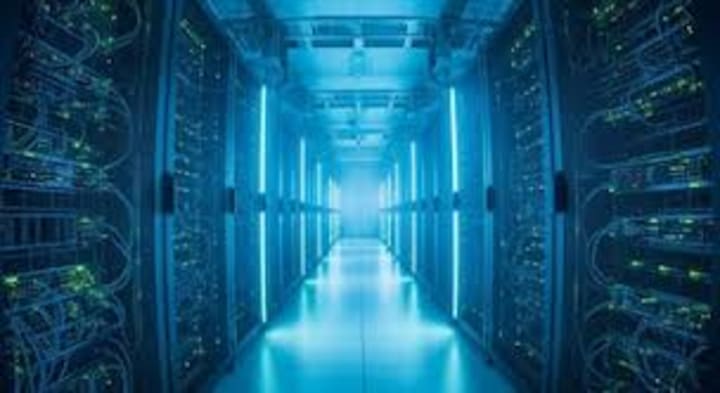
The executive points out that these facilities have cooling systems that maintain the servers at optimal temperatures, strict security measures to prevent any unauthorized access, and advanced technology that supports their operation.
In addition, they have a team of specialized engineers who monitor and guarantee the continuous operation of the services.
What professionals work in a data center
A data center is primarily staffed by a team of specialized engineers.
Espinel explains that there are electrical engineers responsible for power, mechanical engineers in charge of the air conditioning systems, network engineers who manage connectivity, and security engineers focused on data protection and cybersecurity.
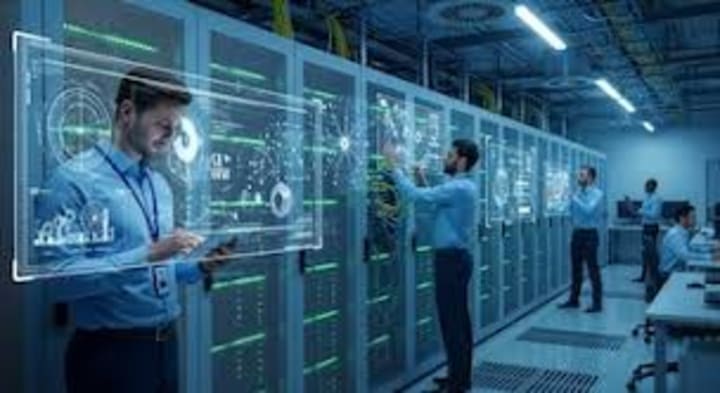
Civil engineers also participate, overseeing the physical infrastructure, as do occupational health professionals, who ensure that the engineers work safely in the technical areas.
What makes up a data center
A data center is composed of several technical rooms, each with specific functions to guarantee the uninterrupted operation of the services.
The first is the electrical substation, where the power is received at medium voltage and transformed for internal distribution.
There is a space dedicated to the electrical switches, which are responsible for receiving power from both the external provider and the data center's own generators, which also have their own technical room.

In addition, there is a dedicated room for the batteries, as the servers are backed up by UPS systems that ensure continuous power. Each of these systems is located in a separate room for added security and control.
The main area, known as the white space or data hall, is where the servers are installed in racks or specialized structures.
This area features fire suppression systems, strict access control measures, and appropriate climate control, ensuring the optimal environment for the operation of the equipment.
Why data centers have become popular
Data centers have become popular due to the rise of artificial intelligence and the exponential growth of digital services.

Companies like Meta have announced investments of hundreds of billions of dollars to build infrastructure that will support superintelligence projects, as Mark Zuckerberg explained on Threads.
Microsoft is also making a significant investment, allocating USD 10.000 millions to a data center in Portugal, considered its largest project in Europe for 2026. Furthermore, funds such as BlackRock-Global Infrastructure Partners have led multi-million dollar deals in the sector, reflecting the strategic importance of these facilities for the digital economy.
About the Creator
Omar Rastelli
I'm Argentine, from the northern province of Buenos Aires. I love books, computers, travel, and the friendship of the peoples of the world. I reside in "The Land of Enchantment" New Mexico, USA...
Keep reading
More stories from Omar Rastelli and writers in Journal and other communities.
OpenAI's artificial intelligence wants to remember every detail of your life
Sam Altman, CEO of OpenAI, shared his vision for the future of artificial intelligence and the challenges posed by the integration of increasingly personalized virtual assistants into daily life and work on Alex Kantrowitz's podcast.
By Omar Rastelli23 days ago in Journal
Shell Scripting in 2026: Mastering System Automation with Claude Code
Shell scripting has undergone a radical transformation. The barrier between writing a script and orchestrating a system has dissolved. This is thanks to autonomous coding agents like Claude Code. Engineers no longer need to memorize obscure syntax like sed or awk. The challenge now is managing the logic of generated scripts. You must also ensure security and smooth integration for these tools. This guide is for intermediate to expert developers. It helps you adapt to the 2026 landscape of systems programming.
By Del Rosario4 days ago in Journal



Comments
There are no comments for this story
Be the first to respond and start the conversation.