
The iPhone 18 Without a Notch: Apple’s Biggest Visual Leap in a Decade
How under-display Face ID and a true full-screen design could redefine what a smartphone should look like.
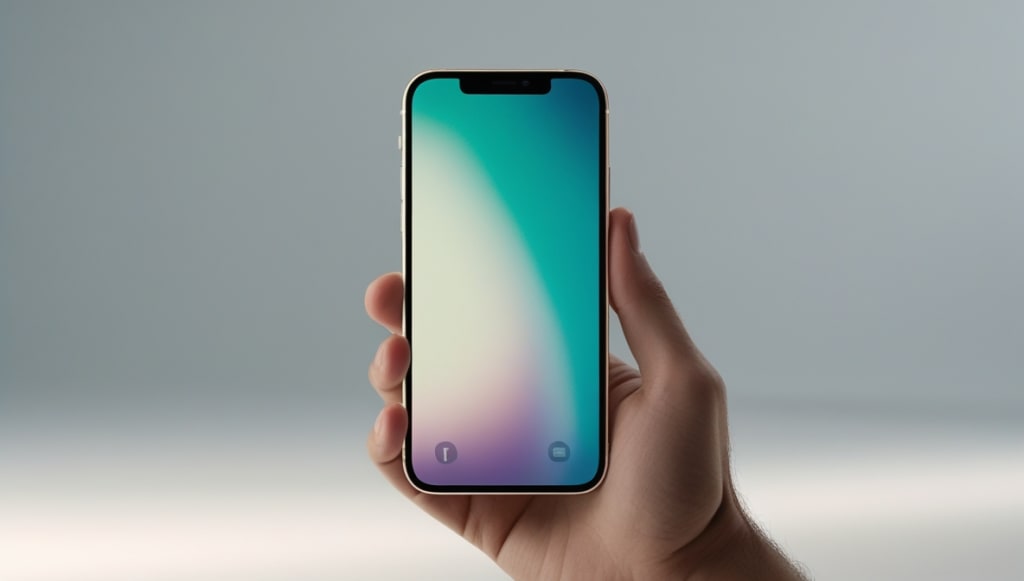
For nearly ten years, the notch has been Apple’s most recognizable design signature.
At first, it felt bold. Then it became familiar. Eventually, it turned into background noise — something we stopped questioning even as Android phones moved on.
But if recent leaks and industry whispers are accurate, the iPhone 18 may finally erase that last visible reminder of compromise.
No notch.
No punch-hole.
Just a seamless sheet of glass.
If it happens, this won’t be just another design refresh. It could be Apple’s most important visual transformation since the original iPhone.
The Notch Was Never the End Goal
When Apple introduced the notch in 2017, it wasn’t about aesthetics alone. It was a technical solution — a way to house advanced Face ID sensors at a time when under-display technology simply wasn’t ready.
Apple made a tradeoff.
Security and reliability came first. Design followed later.
That decision paid off. Face ID became one of the most trusted biometric systems in consumer tech. The notch, once mocked, became normalized — even copied.
But Apple never pretended it was permanent.
The notch was always a bridge, not a destination.
Why a Full-Screen iPhone Matters More Than It Sounds
At a glance, removing the notch may seem cosmetic. But in smartphone design, visuals shape behavior.
A true full-screen display changes how we interact with a device:
• Content feels immersive instead of framed
• Gestures feel more natural
• Apps gain uninterrupted space
• The device feels less like a tool and more like a window
This isn’t about screen size — it’s about presence.
A phone without visible interruptions disappears in your hand. And when a device disappears, it becomes more intimate.
That’s the experience Apple has been chasing for years.
Under-Display Face ID: The Quiet Breakthrough
The most important part of this rumored redesign isn’t what you see — it’s what you don’t.
Under-display Face ID has been one of the hardest problems in mobile engineering. Infrared sensors need precision. Facial mapping requires accuracy. Even slight distortions through glass can break reliability.
Android manufacturers experimented early. Results were mixed.
Apple waited.
If iPhone 18 introduces under-display Face ID, it signals something critical:
The technology is finally good enough to meet Apple’s standards.
That matters because Apple rarely adopts features until they’re mature, invisible, and dependable.
This wouldn’t be a beta feature. It would be a statement of confidence.
Apple’s Design Philosophy Is Shifting Again
For years, iPhone design felt iterative — flatter edges, refined materials, brighter displays.
Useful upgrades, yes. But not emotional ones.
A full-screen iPhone changes that.
It reconnects Apple with something it’s been missing recently: visual surprise.
The first iPhone shocked the world by removing buttons.
The iPhone X shocked it again by removing bezels.
The iPhone 18 could revive that feeling — not through complexity, but through simplicity.
Sometimes, the boldest move is removing what people assumed would always stay.
Why Apple Is Making This Move Now
Timing matters.
Consumers are holding phones longer. Innovation fatigue is real. Many upgrades feel incremental, not essential.
Apple knows this.
A full-screen redesign gives people a reason to look twice — and maybe upgrade — without changing how they use the phone.
No learning curve.
No dramatic behavior shift.
Just a device that feels unmistakably new the moment it lights up.
That’s powerful.
The Competitive Pressure Behind the Scenes
Samsung, Google, and Chinese manufacturers have pushed visual boundaries aggressively. Foldables, rollables, edge-to-edge displays — experimentation has accelerated.
Apple has stayed cautious.
But caution doesn’t mean complacency.
By perfecting under-display tech instead of rushing it, Apple positions itself to leap forward cleanly — not halfway.
If the iPhone 18 lands with a flawless full-screen design while maintaining Face ID reliability, competitors won’t just be chasing features anymore.
They’ll be chasing refinement.
A Subtle Shift in How We Define Premium
Luxury used to mean complexity.
More cameras.
More lenses.
More visible hardware.
But premium tech today feels different.
It feels calm.
Uncluttered.
Intentional.
A notchless iPhone isn’t flashy. It doesn’t scream innovation. It whispers confidence.
And that quiet confidence is becoming Apple’s strongest brand language.
What This Means for the Future of Smartphones
If Apple removes the notch successfully, it sets a new baseline.
Notches become outdated overnight.
Punch-holes start feeling temporary.
Design expectations shift upward.
The smartphone stops evolving outward — and starts evolving inward.
Less interruption.
Less friction.
More focus on experience than components.
That’s the future Apple has always aimed for.
The Bigger Picture
The iPhone 18 without a notch isn’t just about aesthetics.
It represents patience paying off.
Engineering finally catching up to vision.
Design aligning with philosophy.
If Apple gets this right, we won’t remember the iPhone 18 as the year the notch disappeared.
We’ll remember it as the moment the phone finally became a pure interface — nothing extra, nothing distracting, just experience.
And sometimes, removing one small shape can redefine an entire decade.
#Feature #Apple #iPhone #Design #Technology #Innovation #Smartphones
About the Creator
Keep reading
More stories from Shahjahan Kabir Khan and writers in Journal and other communities.
Transforming Data Into Impact
Nathan Haslick is a seasoned data scientist whose work spans technology, finance, and healthcare. With a Master’s in Data Science and years of hands-on experience, he has dedicated his career to bridging the gap between complex analytics and real-world outcomes. In his latest insights on purpose-driven data science, Haslick emphasizes that the true power of data lies not in numbers alone, but in the measurable impact those numbers can create. His approach reimagines analytics as a strategic tool for positive change rather than a mere technical exercise.
By Nathan Haslick7 days ago in Journal
Strategic Growth Mindset
Professionals who study leadership and organizational growth, including business strategist Joel Keyser, often emphasize the importance of thinking beyond short-term wins. In competitive markets, companies that focus only on immediate results may struggle to sustain momentum. A strategic growth mindset encourages leaders to make decisions that build long-term value while strengthening teams, processes, and innovation.
By Joel Keyser6 days ago in Journal




Comments
There are no comments for this story
Be the first to respond and start the conversation.