
The Growing Threat of Floods in Bangladesh: A Call for Action
Flooding in Bangladesh: An Urgent Need for Sustainable Solutions and Global Cooperation
T
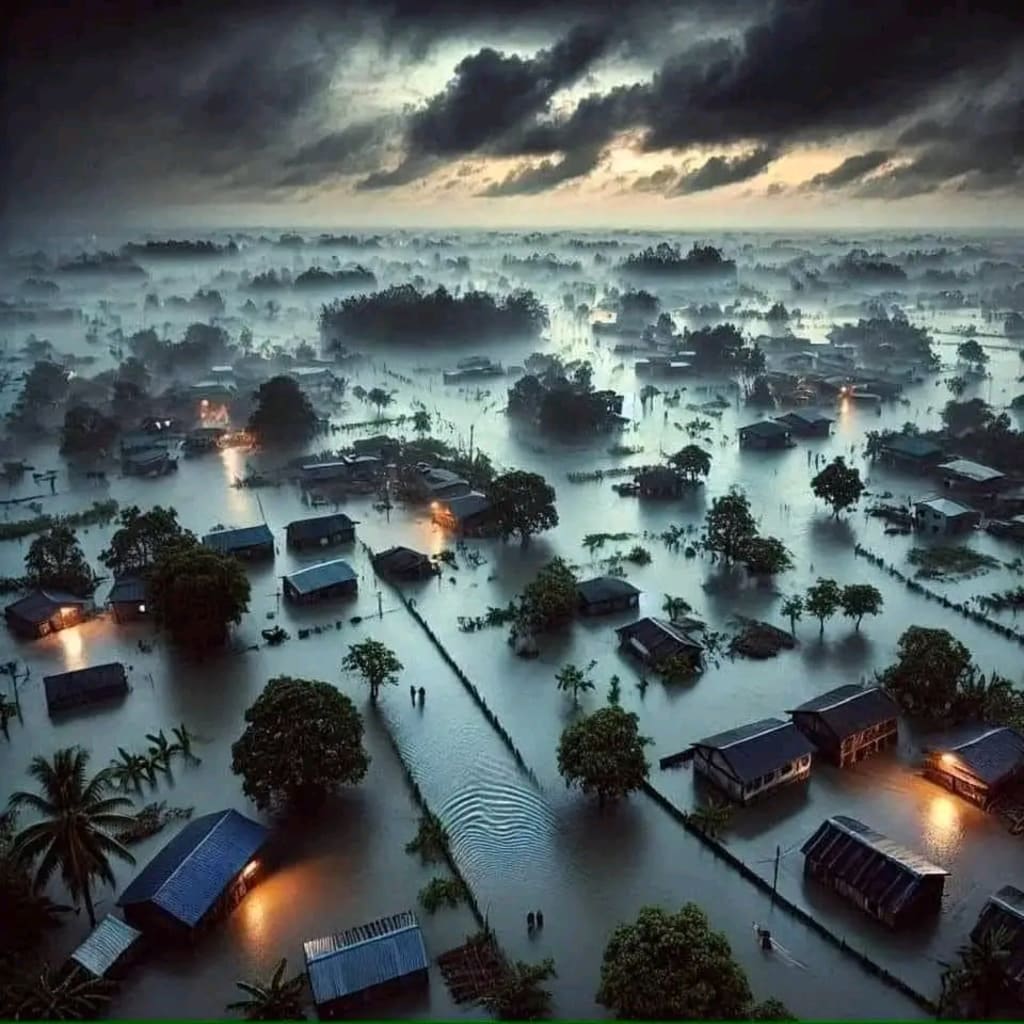
Floods are some of the most frequent and devastating natural disasters across the globe. In Bangladesh, a country known for its rivers and low-lying terrain, floods have become an all-too-common occurrence. From 2004 to 2020, Bangladesh has witnessed significant flood events that have brought about severe consequences for its people and economy. The World Health Organization (WHO) reports that between 1998 and 2017, floods affected over 2 billion people globally, highlighting the seriousness of this issue.
Bangladesh's unique geographical position makes it particularly vulnerable to floods. Situated on a vast river delta barely above sea level, the country faces natural challenges from its many rivers, including the Ganges, Brahmaputra, and Meghna, as well as from the Bay of Bengal. These rivers, along with their smaller tributaries, make Bangladesh one of the most flood-prone regions in the world.
To combat the recurring flood problem, Bangladesh has taken several steps over the years. The government has implemented warning systems, constructed storm shelters, and developed salt-resistant crops. Additionally, a network of 139 coastal polders, which are essentially protective walls, shields vast areas of farmland from being submerged by floodwaters. These measures are crucial, as over 35 million people in Bangladesh's coastal regions are at risk from floods, salinization, and waterlogging. The impacts of these challenges are severe, threatening not just lives but also the livelihoods and food security of those living in these vulnerable areas. Urgent action is needed to address these issues and protect the population.
Floods in Bangladesh pose a significant threat to the country's social, economic, and environmental stability. The complex river systems, monsoon climate, and low-lying topography all contribute to this vulnerability. Floods in Bangladesh can be classified into four main types: flash floods, local rainfall floods, monsoon river floods, and storm-surge floods. Each of these types of floods brings its own set of challenges, occurring almost every year due to Bangladesh’s location as the most downstream country in the Hindu-Kush-Himalayan region.
One of the most devastating floods in Bangladesh's history occurred in 1998. This flood affected 68% of the country, an area of 77,700 square kilometers, and claimed 2,379 lives. The financial losses were staggering, with 3.2 million tons of crops destroyed and damages totaling 40,000 million Bangladeshi Taka. This event underscored the nation's vulnerability to natural disasters. Since then, annual floods have continued to be a significant concern, affecting vast areas and millions of people.
The impact of floods on Bangladesh's economy cannot be overstated. The 2017 flood, for instance, caused substantial damage to agricultural crops and infrastructure, leading to a 21.49% reduction in annual earnings for those affected. According to UNICEF, the flood in August 2023 impacted 2.4 million people across four districts: Chittagong, Bandarban, Rangamati, and Cox’s Bazar. In 2022, another flash flood submerged 90% of the Sylhet division. Factors such as heavy rainfall, sedimentation of rivers, and poor drainage management all contributed to this disaster.
Economic losses from floods are also significant, especially when combined with the erratic weather patterns caused by climate change. Between 2009 and 2014, rice crop losses due to extreme weather events, including floods, droughts, and hailstorms, totaled $228 million. The floods of 2004 and 2007 caused major agricultural losses in the Dhaka and Rajshahi regions, with the highest economic impact felt in the Barisal division. The 2017 flash flood in Sunamganj destroyed about 90% of the region's agricultural crops and fish production, severely impacting the livelihoods of local residents.
Tragically, the human toll of floods in Bangladesh is also high. Since 1972, the country has experienced 86 floods that have claimed the lives of 42,279 people. The sudden onset of floods, inadequate infrastructure, and the vulnerability of impoverished communities all contribute to this loss of life. Despite the government’s efforts to develop disaster management programs, the challenges posed by climate change, such as rising sea levels, erratic weather, and increased precipitation, continue to exacerbate the flood problem in Bangladesh.
The increasing frequency and severity of floods in Bangladesh are driven by a combination of factors, including climate change, land-use changes, and population growth. July 2023 saw record-breaking global temperatures, making it the hottest month ever recorded. These elevated temperatures increase the amount of moisture in the atmosphere, leading to more intense rainfall and, consequently, more severe floods. Land-use changes, such as deforestation and urbanization, also play a role in increasing flood risks by reducing the land's ability to absorb water.
Low-income populations, particularly those living in low-lying coastal areas, are the most vulnerable to floods. Recognizing the seriousness of the issue, the government of Bangladesh has taken steps to address disaster management, allocating funds for relief efforts and implementing flood management strategies. However, there is still much work to be done. Critiques of the government’s response highlight the need for a more effective and inclusive approach to flood management, one that involves both structural and non-structural strategies.
To address the flood crisis, the government must prioritize community-based initiatives that focus on reducing vulnerability and adapting to changing conditions. Additionally, there is a need to re-evaluate the feasibility and affordability of comprehensive flood and water management systems, considering the increased risks associated with climate change. Implementing flood susceptibility mapping and management programs is also crucial in reducing the impact of future floods.
Bangladesh is not alone in facing the challenges of flooding. Floods are a global issue, affecting millions of people around the world. In 2006, the United Nations Platform for Space-based Information Disaster Management and Emergency Response (UN-SPIDER) was established to help countries, including Bangladesh, manage and respond to disasters like floods. Various interventions, such as river management, the establishment of flood defense systems, and the construction of reservoirs, have the potential to reduce flood risks. However, global cooperation is essential in tackling the flood crisis.
In conclusion, the flood problem in Bangladesh is a complex issue that requires urgent attention and action. The government, along with international organizations and the global community, must work together to implement effective flood management strategies. By addressing the root causes of floods and taking proactive measures to reduce vulnerability, Bangladesh can mitigate the impacts of future floods and protect its people and economy from this ever-present threat.
About the Creator
Keep reading
More stories from writers in Journal and other communities.
~ Fired ~
— Ai Intrusion ~ Are you Next ~ Is Ai Evolution after your job? — Few workplaces haven't been affected. Ai is in supermarkets, at doctors' offices, and even monitoring farms. I just can't think of anything this machine is not getting into, can you? For instance: Education ~ Law and Tech jobs will one day have a major influence or be taken over by these inanimate machines, with accuracy and vigor. From mechanics' diagnoses to a wide variety of everyday jobs, including fast food workers, with this input having the ability to cut their unnecessary work hours. I'm certain all of us have been touched by this with our short stories and colorful headings, have you? Even comments are very questionable 'Non-Robot' insertions.
By Jay Kantor3 days ago in Journal
Beyond the Window
Two critically ill men shared a hospital room, united by pain, silence, and long hours of waiting. Both were so weak that even sitting up was a struggle. Only one of them, whose bed was placed beside the room’s single window, was allowed to sit upright for an hour each day. The other man remained flat on his back at all times, staring at the ceiling, dependent on sounds and words to connect him to life beyond the walls.
By Sudais Zakwan2 days ago in Journal
Self Help: Grifters' Gospel
On Self-Help, Snake Oil, and the Illusion of Change Psychology professionals and students can be imagined on two opposite sides of a line called self-help books: likely a larger group opposes pop-science and step-by-step manuals filled with talk of success, journaling, and not giving a f**k; others love them, but they aren’t many.
By Avocado Nunzella BSc (Psych) -- M.A.P 2 days ago in BookClub




Comments
There are no comments for this story
Be the first to respond and start the conversation.