
The Future of Trust: How Blockchain is Transforming the Way We Do Business
Why Blockchain is More Than Just a Buzzword: The Practical Benefits Explained

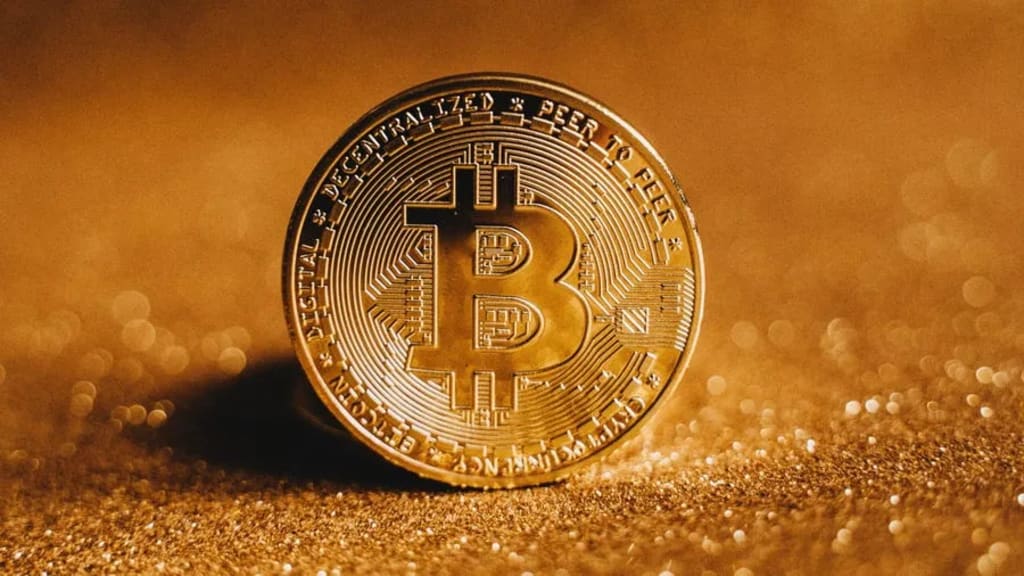
What is the Blockchain or BTC?
Imagine you have a group of friends who all want to keep track of how much money they owe each other. Normally, you might use a piece of paper or an Excel spreadsheet to keep track of who owes what to whom. But what if you could use a secure, transparent, and completely decentralized technology, meaning nobody can change the records without everyone else knowing about it? That’s where blockchain comes in!
Blockchain is like a digital ledger that keeps track of all the transactions that occur on it. Each time a new transaction is made, it is added to the blockchain as a new “block”. These blocks are connected to each other in a way that creates a chain, hence the name “blockchain”. Because each block contains a unique code, called a hash, that connects it to the previous block in the chain, it is virtually impossible to alter any part of the chain without being detected by the entire network.
One of the most well-known examples of blockchain technology is Bitcoin or BTC, a digital currency that uses blockchain to create a secure and decentralized system for the creation and transfer of digital assets. However, there are many other potential uses for blockchain beyond cryptocurrencies. For example, supply chain management companies can use blockchain to track the movement of goods from one location to another in real time, making it easier to verify the origin of products and prevent fraud. Governments can use blockchain to create secure and transparent voting systems, ensuring that every vote is counted accurately and that the results are tamper-proof. In healthcare, blockchain can be used to securely store and share patient medical records, providing doctors and patients with a complete and up-to-date view of their health history.
In short, blockchain is a technology that allows multiple parties to have a synchronized and transparent record of transactions without the need for a central authority. By enabling secure and transparent record-keeping, blockchain has the potential to revolutionize the way we do business and interact with each other in a variety of fields.
“The four most dangerous words in investing are: ‘this time it’s different.’”
How BitCoin has changed the world:
In the early 2000s, a person or group of people named Satoshi Nakamoto created something called blockchain technology. At the time, few people understood the significance of this new technology.
Fast forward to today, and blockchain has changed the world in many ways. One of the most significant changes is in the way we think about trust. In the past, we relied on centralized authorities, such as governments and financial institutions, to verify information and transactions. However, blockchain enables us to trust each other directly, without the need for a third party.
For example, blockchain has revolutionized the finance industry by enabling peer-to-peer transactions. This means that people can transfer money to each other without the need for a bank or other intermediary. This has made it easier for people in developing countries to access financial services and has reduced the cost of cross-border transactions.
Blockchain has also changed the way we think about privacy. With traditional centralized systems, our personal data is stored in one place and can be vulnerable to hacking. However, with blockchain, our data is spread out across the network, making it much more secure.
Another area where blockchain is having a big impact is supply chain management. By using blockchain, companies can track products from the point of origin to the point of consumption, ensuring that products are authentic and that ethical and environmental standards are met.
“Money often costs too much.” — Ralph Waldo Emerson
Blockchain — BTC price :
The price of Bitcoin refers to the current value of one unit of Bitcoin in a particular currency, such as US dollars or euros. Like any other asset, the price of Bitcoin is subject to supply and demand dynamics, which can cause it to fluctuate rapidly over short periods of time. For example, if there is a sudden increase in demand for Bitcoin, such as during a bull market, the price may rise rapidly as buyers compete to purchase it. Conversely, if there is a sudden decrease in demand for Bitcoin, such as during a bear market, the price may fall rapidly as sellers compete to offload their holdings.
One of the reasons why Bitcoin price can be so volatile is that it is a relatively new and untested asset, with a limited history of price movements compared to more established assets such as stocks or gold. This means that the market for Bitcoin is still developing and may be subject to sudden shifts in investor sentiment or changes in regulation. For example, in 2017, the price of Bitcoin surged from around $1,000 to nearly $20,000, before crashing back down to around $3,000 in 2018. This rapid rise and fall were largely driven by speculation and hype around the potential of cryptocurrencies, as well as concerns about regulatory crackdowns in some countries.
Another factor that can influence the price of Bitcoin is the availability of trading platforms and exchanges, such as Coinbase, which allow users to buy and sell Bitcoin and other cryptocurrencies. These platforms can provide liquidity to the market and help to set a benchmark price for Bitcoin, based on the supply and demand dynamics of their users. For example, in April 2021, the price of Bitcoin reached an all-time high of over $60,000, largely driven by increased demand from institutional investors and the growing acceptance of Bitcoin as a mainstream asset.
“If you’re so smart, why aren’t you rich?” — Judith Sheindlin
How does the BitCoin wallet work? :
A Bitcoin wallet is a digital wallet that allows users to store, send, and receive Bitcoin. Think of it like a digital version of a physical wallet, where you can keep your money safe and access it when you need it.
When you create a Bitcoin wallet, you are given a unique address that represents your wallet on the Bitcoin network. This address is a string of numbers and letters that you can use to send and receive Bitcoin. You can think of it like a bank account number, but instead of being tied to your name, it is tied to your wallet.
To receive Bitcoin, all you need to do is give someone your Bitcoin address. They can then send Bitcoin to that address, and it will be added to your wallet balance. Similarly, if you want to send Bitcoin to someone else, you will need to enter their Bitcoin address and the amount of Bitcoin you want to send. The transaction will then be verified and processed by the Bitcoin network, and the Bitcoin will be transferred from your wallet to theirs.
One of the key features of a Bitcoin wallet is that it allows you to maintain control over your own private keys. Private keys are essentially the passwords that allow you to access and manage your Bitcoin. With a Bitcoin wallet, you are the only one who has access to your private keys, which means that you have complete control over your Bitcoin. However, it also means that if you lose your private keys or your wallet is compromised, there is no way to recover your Bitcoin.
“Money is a terrible master but an excellent servant.” — P.T. Barnum
Funny facts about blockchain:
Did you know that the very first Bitcoin transaction was used to buy two pizzas back in 2010? At the time, the pizzas were worth about $25, but if the buyer had held onto them, they would be worth millions of dollars today! So, the next time you’re thinking about ordering a pizza, maybe consider paying with Bitcoin instead!
Have you ever heard of Satoshi Nakamoto, the creator of Bitcoin? Well, funnily enough, no one actually knows who he, she, or they are! Some people speculate that it might be a group of people, while others believe that it could even be an AI language model like me! Who knows?
In 2018, a company called Long Island Iced Tea Corp changed its name to Long Blockchain Corp, and their stock price soared by nearly 500%. The only problem was that the company had no real experience in blockchain technology and eventually changed their name back. Oops!
For all you cat lovers out there, there’s a website called “CryptoKitties” that allows users to buy, sell, and breed virtual cats using blockchain technology. That’s right, you can now own a virtual cat that lives on the blockchain. Who says blockchain can’t be fun?
The best investment you can make is in yourself.” — Warren Buffett
The Practical Benefits of BitCoin:
Blockchain is more than just a buzzword in the tech world. It’s a powerful technology with practical benefits, including enhanced security, transparency, efficiency, decentralization, and traceability.
Firstly, blockchain is secure because each block in the chain is linked to the previous block, making it difficult for hackers to tamper with the data.
Secondly, blockchain is transparent because all participants can view the data on the blockchain, promoting trust and accountability.
Thirdly, blockchain is efficient because it can remove intermediaries, streamlining processes and reducing costs.
Fourthly, blockchain is decentralized, meaning it is resistant to censorship and control, allowing for greater freedom and democracy.
In conclusion, blockchain technology is having a profound impact on a wide range of industries, from finance and supply chain management to voting and the art world. By creating secure, transparent, and tamper-proof systems for tracking and verifying data, blockchain is making it possible to create new markets and transform the way we think about ownership, finance, and trust. As blockchain technology continues to evolve and mature, it’s likely that we’ll see even more innovative and exciting applications in the years to come. Overall, the potential of blockchain to transform industries and change the world is truly remarkable, and we’re only just beginning to scratch the surface of what this technology can do.
About the Creator
ansam yousry
Work as data engineer , experienced in data analyst and DWH , Write technical articles and share my life experience
Keep reading
More stories from ansam yousry and writers in Journal and other communities.
10 Effective Strategies to Boost Your Sales on Etsy
Here are a few tips to help you sell more on Etsy: Optimize your listings: Make sure your product descriptions are detailed and include keywords that people might use to search for your products. Use clear and concise language, and include all the information a customer would need to make a purchase. High-quality photos from different angles can help customers see the details of your product and make a more informed decision. Utilize social media: Utilizing social media platforms to promote your Etsy shop can help you reach a wider audience. Create a business page on platforms like Instagram, Facebook, and Pinterest, and share images and details of your products. Encourage your followers to share and engage with your posts, and consider running ads to reach even more people. Offer excellent customer service: Providing excellent customer service can help build customer loyalty and increase repeat purchases. Respond to customer inquiries and reviews promptly and professionally, and consider offering free shipping, free returns, or free gift wrapping to make the purchasing process easier and more convenient for your customers. Invest in advertising: Consider using Etsy's advertising options, such as promoted listings and Google Shopping, to reach a larger audience and increase visibility for your products. Test different ad options to see what works best for your shop, and keep track of your results to make informed decisions about future advertising campaigns. Stay active on Etsy: Regularly updating your shop with new products and engaging with your customers and community through the Etsy forums and teams can help keep your shop and products at the forefront of customers' minds. Participating in Etsy events, such as virtual markets and local craft fairs, can also help increase exposure for your shop. Offer personalized products: Offering custom or personalized products can help set your shop apart and make your products more appealing to customers. Personalized items, such as monogrammed jewelry or custom-designed home decor, tend to be popular on Etsy and can attract customers looking for unique and special gifts. Collaborate with other Etsy sellers: Partnering with other Etsy sellers to cross-promote each other's products can help increase exposure for both shops. Consider hosting a joint giveaway or creating a bundle of products from different shops to offer to customers. Collaborating with other Etsy sellers can also help build relationships within the Etsy community and increase customer trust in your shop. Utilize SEO best practices: Improving your search engine optimization (SEO) can help customers more easily find your shop and products on Etsy. Use keywords in your shop title and tags, and make sure your product descriptions are detailed and informative. Consider researching common search terms in your product category to help inform your SEO strategy. Monitor your results: Keeping track of your sales and customer feedback can help you make informed decisions about improving your shop and listings. Use analytics tools, such as those provided by Etsy, to monitor your sales, traffic, and customer engagement, and use that information to make updates to your shop and listings to optimize your performance. Create a unique brand: Establishing a unique brand for your Etsy shop can help differentiate your products from those of other sellers and build customer loyalty. Consider creating a logo and consistent look and feel for your shop, including the way your listings and packaging are presented. A strong brand can help customers easily recognize and remember your shop, increasing the likelihood of repeat purchases.
By ansam yousry3 years ago in Journal
Hindustan Power Accelerates India’s Clean-Energy Push with New 150 MW Solar and Storage Project Under Ratul Puri’s Leadership
New Delhi — In a significant move that underlines India’s accelerating transition to cleaner power, Hindustan Power has secured a major renewable energy contract to develop a 150 MW solar project integrated with advanced battery storage — a development that Chairman Ratul Puri says reinforces the company’s commitment to future-ready energy infrastructure.
By Chinmaya Singh6 days ago in Journal
Rachel Reviews: The Spiral Archive by Pieter Hendrik
It's difficult for me to know where to start with a review of this book as it was, for me, an entirely unique experience and one that I'll probably never have again. I don't want that to be interpreted as unenjoyable but it has left me scratching my head a little and ruminating on its content, its themes and its characters.
By Rachel Deemingabout 14 hours ago in BookClub


Comments
There are no comments for this story
Be the first to respond and start the conversation.