
The Childhood Game That Secretly Taught Me Everything About Adult Life
From Monopoly to Tag: Uncovering the Hidden Life Lessons in Our Favorite Playground Adventures.

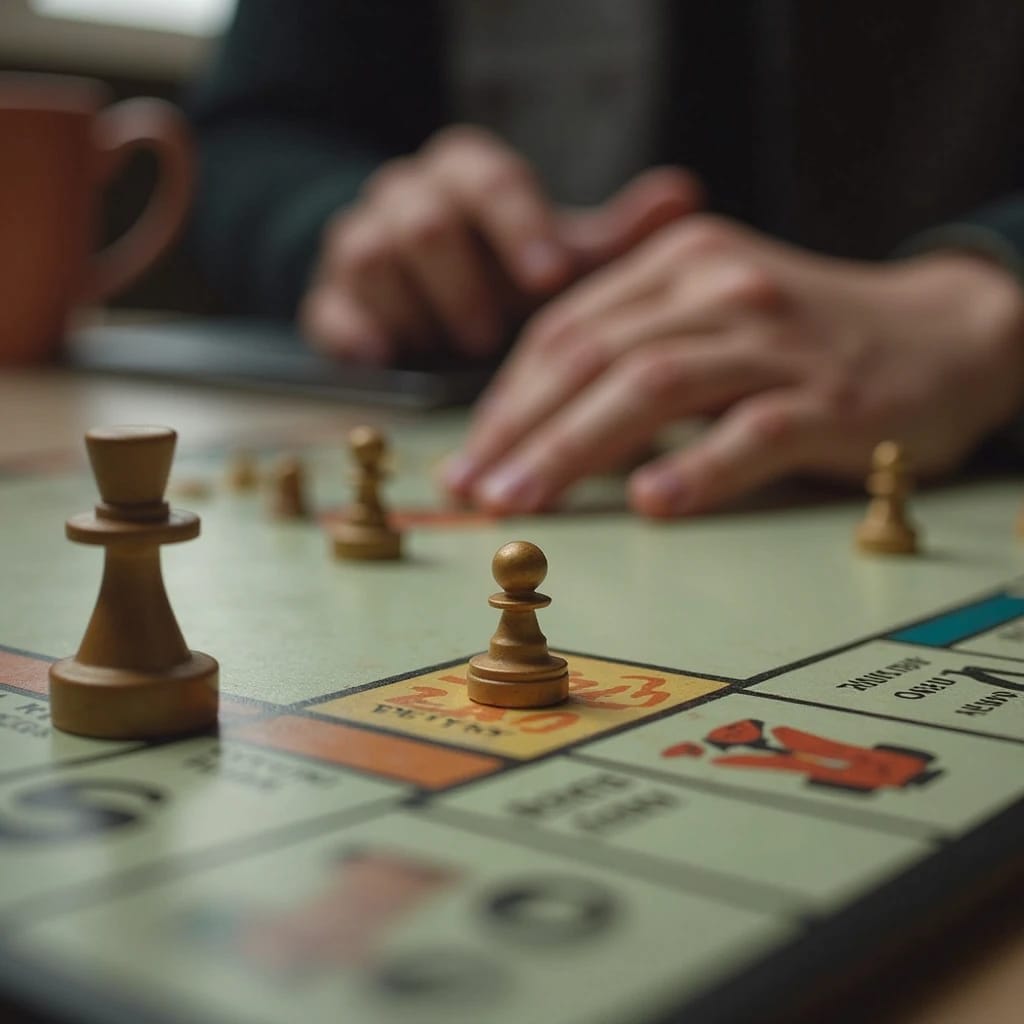
The worn, slightly faded board lay on the shag carpet, a battlefield of primary colors and tiny plastic houses. The familiar rattle of the dice echoed through the living room, a sound that, even now, transports me back to Saturday afternoons sticky with juice box residue and the fierce determination of an eight-year-old. The game was **Monopoly**, and unbeknownst to my youthful self, it was preparing me for adulthood in ways no school lesson ever could.
My older brother, Mark, was the reigning champion. He played with a ruthless efficiency that bordered on genius, a quality I both admired and resented. I, on the other hand, was the optimist, the dreamer. I’d buy every property I landed on, convinced that quantity would somehow trump quality. Mark would strategically acquire the railroads, the utilities, and, of course, the coveted dark blue properties, slowly but surely squeezing the life out of his opponents.
The first lesson Monopoly hammered home was the brutal reality of **limited resources**. My allowance, a princely sum of five dollars a week, felt infinite until I tried to translate it into houses on Boardwalk. I’d rush to buy Park Place, convinced it was a winning move, only to realize I had no money left for hotels, leaving me vulnerable to Mark’s inevitable landing. Adulthood, I quickly learned, is a constant juggle of wants versus needs, a never-ending equation of income versus expenses. That fancy new gadget might look appealing, but is it worth sacrificing your savings for that unexpected car repair? Monopoly taught me to prioritize, to understand that every dollar spent on a whim meant less for a future investment, or worse, a future emergency.
Then there was the **power of negotiation**, a concept I grasped more through desperate pleas than strategic insight. "Just one more turn, Mark, please! I'll pay you double next time!" It rarely worked. Mark, ever the pragmatist, understood that a deal was only good if it benefited him. He taught me, indirectly, that sentimentality has no place in business, or in life's more transactional moments. You have to advocate for yourself, understand your leverage, and be prepared to walk away if the terms aren't right. This lesson resonated years later when I was haggling over my first apartment's rent, or even more critically, negotiating my initial job salary. I remembered Mark's unyielding gaze across the Monopoly board and found a newfound courage to stand my ground.
Perhaps the most profound lesson was about **risk and reward**. My younger sister, Sarah, was the embodiment of this. She’d hoard her money, afraid to buy anything, terrified of landing on someone else’s property. She’d play it safe, moving painstakingly around the board, accumulating a small, steady income. But without investments, she never truly soared. Mark, on the other hand, was a calculated risk-taker. He’d mortgage properties to buy hotels, knowing the potential payout outweighed the immediate risk. There were times he’d go bust, of course, a stack of red bills vanishing into the bank. But more often than not, his bold moves led to dominion. Adulthood isn't about playing it safe all the time. Sometimes, you have to take a leap of faith, whether it's starting a new business, pursuing a challenging career path, or even just asking someone out on a date. The fear of failure is real, but the regret of never trying is often far greater.
Monopoly also taught me about **the fickle finger of fate**. One minute you're flush with cash, the next you've landed on Boardwalk with hotels, draining your entire fortune. "Go to Jail. Do not pass Go. Do not collect $200." Life throws curveballs, unexpected expenses, sudden job losses, health crises. You can plan all you want, but sometimes, you're just at the mercy of the dice. The game taught me a grudging acceptance of this randomness, and more importantly, the importance of a **contingency plan**. Those few extra hundreds I held onto, just in case, often saved me from utter ruin. This translated into building an emergency fund as an adult, a financial cushion against life’s inevitable blows.
Looking back, those Monopoly games weren't just about winning or losing. They were a microcosm of the real world, a playful yet potent training ground for the challenges that lay ahead. The triumphs, the crushing bankruptcies, the tense negotiations, and the exasperated sighs when someone drew a "Chance" card that sent them back three spaces – they were all rehearsals.
So, while I may never again squabble over who gets to be the thimble, the lessons learned on that colorful board remain. They’re etched into the very fabric of my adult self, a silent guide in navigating the complexities of finances, relationships, and the unpredictable journey of life. And for that, I owe a debt of gratitude to a simple childhood game that secretly taught me everything.
About the Creator
Muhammad Sabeel
I write not for silence, but for the echo—where mystery lingers, hearts awaken, and every story dares to leave a mark
Keep reading
More stories from Muhammad Sabeel and writers in Journal and other communities.
The Morning My Life Fell Apart—And Why I’m Grateful
It was a quiet Tuesday morning. The kind of morning where everything feels painfully ordinary. The sun peeked through my bedroom curtains, the kettle was whistling in the kitchen, and my phone buzzed just as I sat down with a cup of chai.
By Muhammad Sabeel8 months ago in Journal




Comments
There are no comments for this story
Be the first to respond and start the conversation.