
The Buzz on Bee Agriculture: A Comprehensive Look at the Business of Beekeeping
Introduction Bee agriculture is an important and growing industry, with a significant impact on the global economy and the environment. Bees are essential pollinators of crops and wildflowers, and their decline in recent years has raised concerns about food security and biodiversity. In this article, we will take a comprehensive look at the business of beekeeping, including its history, current state, advantages and disadvantages, challenges, and opportunities for the future.

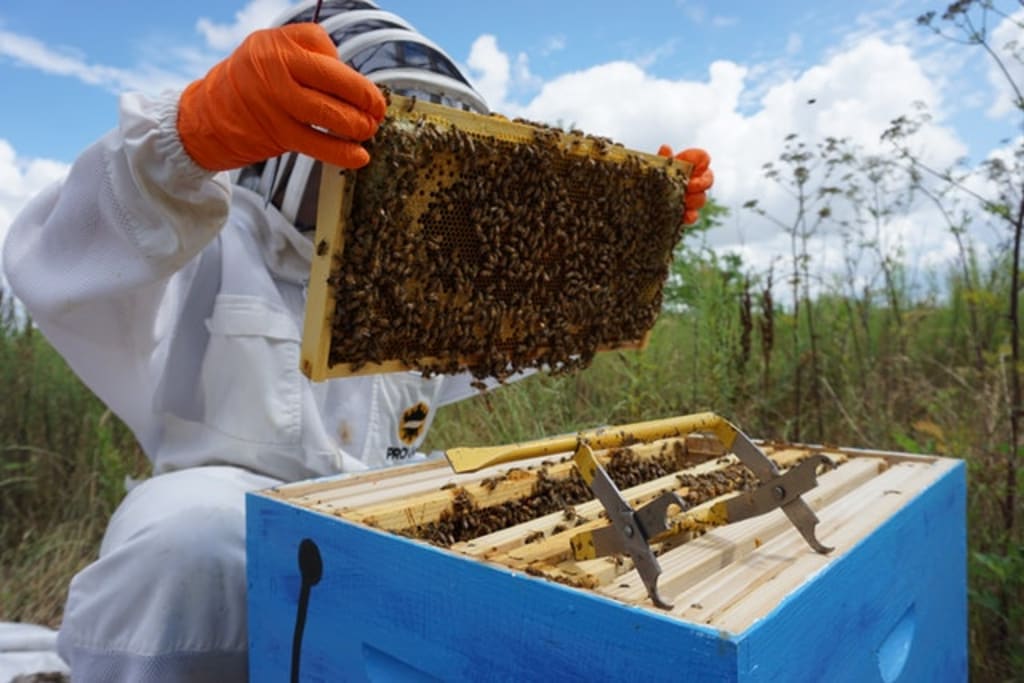
History of Beekeeping
Beekeeping is an ancient practice that dates back to at least 4,500 years ago in Egypt, where bees were kept in hives made of reeds or clay. In Europe, beekeeping became more widespread in the Middle Ages, with the development of movable frame hives that allowed beekeepers to better manage their colonies. In the 19th century, the invention of the honey extractor made it easier to extract honey from comb, and beekeeping became more commercialized.
Current State of Beekeeping
Today, beekeeping is a global industry that produces honey, beeswax, pollen, royal jelly, and other products. The largest producers of honey are China, Turkey, and the United States, while the largest consumers are the United States, Germany, and France. In addition to honey production, beekeeping is also an important aspect of crop pollination, with bees pollinating over 70 of the world's food crops.
Advantages of Beekeeping
One advantage of beekeeping is the relatively low startup costs, as beekeeping can be started with just a few hives and basic equipment. Beekeeping can also be done in a variety of locations, from urban rooftops to rural farms. Beekeeping can provide a sustainable source of income for beekeepers, as well as support local ecosystems by providing important pollination services.
Another advantage of beekeeping is the health benefits of honey and other bee products. Honey has been used for medicinal purposes for centuries and is known for its antibacterial and anti-inflammatory properties. Other bee products, such as propolis and royal jelly, are also believed to have health benefits.
Disadvantages of Beekeeping
One disadvantage of beekeeping is the risk of bee stings, which can cause allergic reactions and other health problems. Beekeepers must take precautions to protect themselves and their bees from predators, diseases, and pests, such as mites and beetles. Beekeeping can also be labor-intensive, requiring regular inspections of hives, and the extraction and processing of honey and other bee products.

Challenges Facing Beekeeping
One of the main challenges facing beekeeping is the decline of bee populations, due to factors such as habitat loss, pesticide use, and climate change. Colony collapse disorder, a phenomenon in which entire colonies of bees die off, has become a major concern in recent years. This decline in bee populations has significant implications for agriculture and food security, as well as the environment.
Another challenge facing beekeeping is the competition from cheaper imports of honey and other bee products, which can make it difficult for small-scale beekeepers to compete in the market. Beekeepers also face challenges in managing their hives and preventing the spread of diseases and pests, such as the Varroa mite.
Opportunities for the Future of Beekeeping
Despite these challenges, there are also opportunities for the future of beekeeping. One opportunity is the development of sustainable and organic beekeeping practices, which can help to protect bee populations and support local ecosystems. Another opportunity is the growth of urban beekeeping, which can provide important pollination services in cities and support local honey production.
There are also opportunities for beekeepers to diversify their businesses by selling value-added bee products, such as beeswax candles, beauty products, and mead. Beekeepers can also collaborate with other stakeholders, such as farmers and conservationists, to promote sustainable agriculture and protect natural habitats.
Business Lessons from Beekeeping
There are several business lessons that can be learned from beekeeping. One lesson is the importance of diversification, as beekeepers can generate additional revenue streams by selling different types of honey and other bee products. Another lesson is the importance of innovation, as beekeepers must continually adapt to changes in the market and the environment.
Beekeepers must also prioritize sustainability, by using environmentally-friendly practices and supporting biodiversity. This not only benefits the bees and the environment but can also enhance the reputation of the beekeeping business.

Conclusion
Beekeeping is an important and growing industry, with significant implications for food security, biodiversity, and the environment. While beekeeping faces many challenges, there are also opportunities for innovation, diversification, and sustainability. By taking a comprehensive approach to beekeeping, and considering the environmental, social, and economic impacts of the industry, beekeepers can build successful and sustainable businesses that support both people and the planet.
About the Creator
Tag Business
I Will Providing Various Company Information
Keep reading
More stories from Tag Business and writers in Journal and other communities.
reebok: A Comprehensive Look at Its History, Business Model, Finance, CEO, Board of Directors, Advantages and Disadvantages, Business Strategy, and Business Lessons
History Reebok was founded in 1958 by brothers Joe and Jeff Foster, who had been running a small company called Mercury Sports in the UK. The brothers wanted to create a brand that focused on developing innovative athletic footwear that would help athletes perform better. They came up with the name "Reebok," which is derived from the Afrikaans word for gazelle, and started selling shoes under that name.
By Tag Business3 years ago in Journal
Grace Van Patten’s Calvin Klein Campaign Breaks the Internet Here’s Why It Went Viral
When Grace Van Patten appeared in a new Calvin Klein campaign photo, the internet reacted instantly. Within hours, entertainment feeds, fashion blogs, and social platforms were buzzing with discussion, screenshots, and commentary. Search interest spiked. Fan reactions multiplied. And what could have been just another brand post quickly became one of the most talked-about celebrity fashion moments of the week.
By Omasanjuwa Ogharandukunabout 8 hours ago in Journal



Comments
There are no comments for this story
Be the first to respond and start the conversation.