
The Algorithm, The Announcer, and the Avalanche of Hate: What 5,000 Views Taught Me About Racism and Fatphobia Online
By: BeeSparrow
The Algorithm, The Announcer, and the Avalanche of Hate: What 5,000 Views Taught Me About Racism and Fatphobia Online
The initial spark felt like a moment of true digital engagement. My latest YouTube video, which critically examined the now-infamous incident where a band announcer at an HBCU game referred to a beloved plus-size dance team—the Alabama State University Honey Beez—as "the new face of Ozempic," rocketed past the 5,000-view mark within days. For a content creator operating outside the mainstream media landscape, this was, on the surface, a welcome sign of impact. It meant the topic resonated; it meant people were listening, engaging, and sharing the conversation about respect, culture, and the deeply rooted issue of body-shaming.
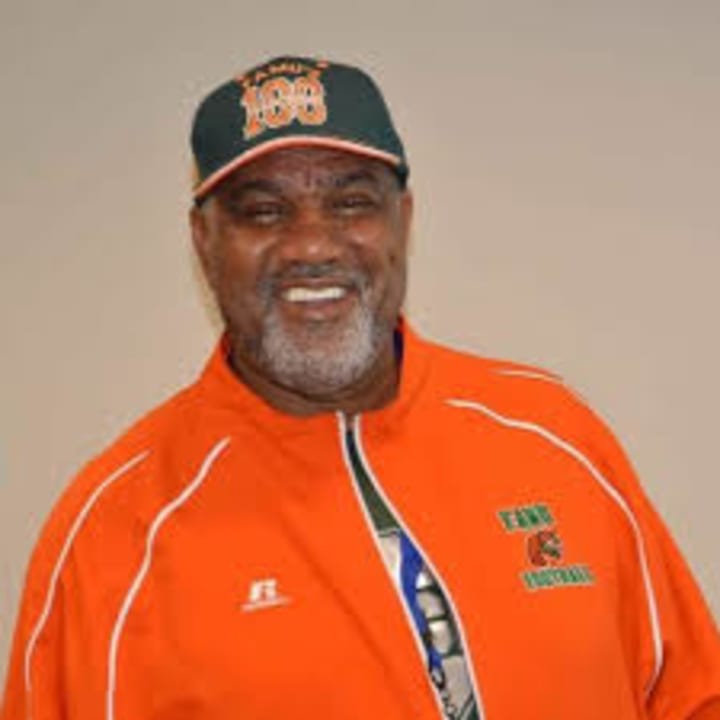
The announcer at the heart of the initial controversy was identified as **Joe Bullard**, the longtime voice of Florida A&M University's (FAMU) Marching 100 band. His comment, made over the public address system at Bragg Memorial Stadium, instantly sparked outrage online, with video clips circulating rapidly. In the aftermath, the Southwestern Athletic Conference (SWAC) took disciplinary action. The conference levied a **$10,000 fine** against FAMU and formally **suspended Bullard for the next two upcoming football games**. The SWAC cited its "Principles and Standards of Sportsmanship," stating that inappropriate conduct and invective language would be met with strong action. Bullard himself issued a public apology on Facebook, where he acknowledged that what he intended as "lighthearted banter" came across as "hurtful and disrespectful."
However, the rapid virality of my video, which covered this initial incident, came with a steep and profoundly disheartening price. Opening the comment section was like stepping into a psychological war zone. The discussion I had hoped to foster—one centered on the dignity of Black women’s bodies, the complexities of HBCU band culture, and the casual cruelty of fatphobia—was instantly hijacked. The digital dialogue devolved into an unmoderated torrent of pure hostility, revealing the darkest corners of online anonymity.
I was met with an avalanche of comments that ranged from openly **racial slurs** to venomous **fat-shaming** directed not just at the talented, dedicated Honey Beez dancers, but at me personally for daring to raise the issue. My perspective, my very intelligence, was attacked, with numerous users dismissing my reasoned commentary by simply calling me **"ignorant."** The irony was palpable: in attempting to unpack a public act of disrespect, I became the target of thousands more.
This Vocal article is more than just a commentary on a viral moment; it is a vital post-mortem on the digital fallout. We need to dissect not only the initial offensive comment by a public figure, but the overwhelming, hateful, and predictable response that followed on my platform. The journey from 5,000 views has become a chilling case study in how quickly digital platforms amplify hate speech, and how deeply entrenched racism and fatphobia remain in our society—even within the communities we assume are safe spaces. This Vocal article is my attempt to turn that torrent of negative energy into something constructive, analyzing the anatomy of online hate and sharing the truly shocking, but necessary, lessons I learned from a YouTube video that became an inadvertent magnet for bigotry.
**Initially, I started deleting the cruel comments but later decided not to. I want people to see the comments, to expose the patterns of the trolls, and explore what accountability truly looks like in the age of viral outrage.**
About the Creator
BeeSparrow
I’m Bee Sparrow.
I write stories born from real life, sparked by imagination, and shaped with the help of AI. They’re short, soulful, and waiting for you. Your next favorite story might be one click away.
Keep reading
More stories from BeeSparrow and writers in Journal and other communities.
ABondThroughTheFire
Jared Kinard held the passenger door open for Savannah as they left the café, the brisk evening air wrapping around them. She slid into his sleek black sports car, its leather seats still warm from the heater. The tension from her meeting with Darrius lingered in the silence between them.
By BeeSparrow3 months ago in Chapters
The goals I did not achieve
Every writing goal I made for the year is a wash. It has been this way for a while, but I think it's important to be open about my failures and the reality of how life can get in the way. This is especially true considering the several times I have posted on Vocal about my writing goals, how I was changing my approach, and where I was hoping to be for the upcoming year. I will probably do that again in a couple months, but for now, it is time to acknowledge where I am today.
By Kay Husnick24 days ago in Journal
Discover the Hidden Wonders of the Everest High Pass Trek
There is a trail in the Himalayas that promises adventure, awe, and memories that last a lifetime. The Everest Three High Passes Trek is one of the most thrilling journeys you can take in Nepal. It goes beyond the classic Everest Base Camp trek, taking you over three high passes, each offering incredible views, serene villages, and a chance to experience the heart of the Himalayas. If you are ready to discover hidden wonders, this trek is calling your name.
By Olivia Floresa day ago in Journal




Comments
There are no comments for this story
Be the first to respond and start the conversation.