
The A20 Revolution: Why the iPhone 18 Might Be the Fastest Phone Ever Built
Inside the ultra-efficient 2nm chip, boosted RAM, and the AI upgrades powering Apple’s next-generation flagship.
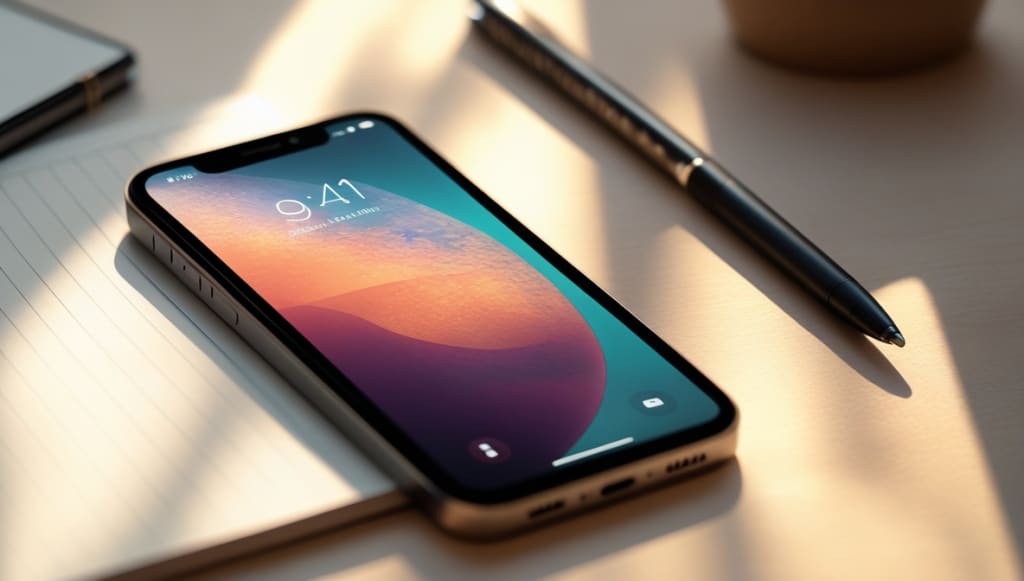
For years, Apple has followed a familiar rhythm: unveil a new iPhone, promise noticeable speed gains, and quietly redefine what “fast” means in everyday use. But the iPhone 18, powered by the much-anticipated A20 chip, feels different. This isn’t just another annual performance bump. If Apple’s trajectory holds, the A20 could represent one of the biggest leaps in smartphone computing we’ve ever seen.
At the center of the excitement is a tiny number with enormous implications: 2 nanometers. Smaller than anything Apple has used before, the A20’s manufacturing process could reshape how power, speed, and intelligence coexist inside a phone that still fits in your pocket.
Why 2nm Is a Bigger Deal Than It Sounds
In chip design, “smaller” almost always means “better.” Moving from 3nm to 2nm allows Apple to pack billions more transistors into the same physical space. More transistors mean the chip can perform more calculations simultaneously while using less energy to do so.
For everyday users, this translates into something deceptively simple: your phone feels instant. Apps open the moment you tap them. Heavy tasks like video editing, high-end gaming, or photo processing don’t cause heat spikes or sudden battery drops. The phone just… works.
Apple has always prioritized efficiency over raw numbers, and the A20 continues that philosophy. Instead of chasing benchmark bragging rights alone, Apple appears focused on delivering sustained performance—speed that doesn’t fade after a few minutes of use.
Speed You Feel, Not Just Measure
Smartphone performance often gets reduced to charts and scores, but most people don’t live inside benchmarking apps. What matters is how a device feels during daily use.
With the A20, the iPhone 18 is expected to handle demanding workloads effortlessly. Multitasking becomes smoother, even with multiple apps running in the background. Advanced games with console-level graphics maintain stable frame rates. Camera processing—already one of Apple’s strengths—becomes nearly instantaneous.
This is the kind of speed that disappears into the background. You stop thinking about whether your phone can handle something and start assuming it can.
More RAM, Fewer Limits
Another key part of the iPhone 18 performance story is boosted RAM. While Apple traditionally uses less RAM than competitors thanks to tight hardware-software integration, increasing memory gives iOS more room to breathe.
More RAM means apps stay active longer without reloading. Switching between creative tools, browsers, and messaging apps feels seamless. For power users—especially those who edit video, design graphics, or manage large files on their phone—this change could be transformative.
Combined with the A20’s efficiency, extra RAM allows the iPhone 18 to feel less like a mobile device and more like a compact computer.
AI That Actually Matters
Artificial intelligence has become a buzzword in tech marketing, but Apple tends to approach it quietly and practically. The A20 is expected to include a significantly upgraded Neural Engine, designed specifically for on-device AI.
This matters more than cloud-based intelligence. On-device AI is faster, more private, and more reliable. It doesn’t depend on internet speed or remote servers. Everything happens in real time, right on your phone.
Expect smarter photo enhancements, more accurate voice recognition, and predictive features that adapt to how you use your device. From organizing your photos automatically to suggesting actions before you even ask, the A20’s AI capabilities aim to feel helpful rather than intrusive.
Gaming Without Compromise
Mobile gaming has evolved dramatically, and Apple has been positioning the iPhone as a legitimate gaming platform. With the A20, that vision becomes clearer.
The new chip’s GPU is expected to deliver higher frame rates while maintaining efficiency, reducing heat buildup during extended play sessions. This means longer gaming sessions without throttling or discomfort.
For developers, the A20 opens doors to more complex game worlds, better physics, and richer visuals. For players, it means console-like experiences—without the console.
Battery Life as a Hidden Superpower
Here’s the paradox of faster chips: when designed correctly, they can actually improve battery life. The A20’s 2nm process allows it to do more work using less power, especially during everyday tasks.
This efficiency could lead to longer screen-on time, better standby performance, and less battery anxiety overall. Instead of constantly managing settings to save power, users may finally feel comfortable pushing their phones harder without worrying about the consequences.
In many ways, battery life might be the A20’s most underrated achievement.
Apple’s Long Game
The A20 isn’t just about making the iPhone 18 faster than its predecessor. It’s about preparing Apple’s ecosystem for the future. Features like advanced AI, spatial computing, and deeper integration across devices all depend on powerful, efficient silicon.
By pushing chip technology forward, Apple ensures that its software ambitions remain grounded in real-world performance. The iPhone 18 becomes not just a phone, but a foundation for what comes next.
The Fastest iPhone—And Maybe the Smartest
If the A20 delivers on its promise, the iPhone 18 won’t just be the fastest iPhone ever built—it could be one of the most balanced smartphones ever created. Speed, efficiency, intelligence, and usability converge in a way that feels purposeful rather than flashy.
This is Apple at its best: not shouting about specs, but quietly redefining expectations. The A20 Revolution isn’t about winning a numbers game. It’s about making technology feel effortless again—and reminding us why performance still matters when it’s done right.
#Apple #iPhone18 #A20Chip #TechExplained
About the Creator
Keep reading
More stories from Shahjahan Kabir Khan and writers in Journal and other communities.
Three Screens, Zero Limits: Galaxy Z TriFold Sets a New Benchmark in Mobile Tech
The Moment Mobile Tech Finally Grew Up For years, foldable phones felt like promises waiting to be fulfilled — exciting, impressive, but never quite complete. They were cool to look at, fun to show off, and surprisingly durable, but they still felt like early experiments. Something you bought for the novelty, not because it genuinely improved the way you lived or worked.
By Shahjahan Kabir Khanabout a month ago in Journal
I Kept a Journal So the World Wouldn’t Forget Me
I didn’t start journaling because I had something important to say. I started because the days were slipping past me too quietly, like water leaking through my hands, and I was afraid that one day I’d wake up and realize I had lived an entire life without leaving a trace.
By LUNA EDITH7 days ago in Journal


Comments
There are no comments for this story
Be the first to respond and start the conversation.