
THE 2.0 TOURIST AND THE SUPER TRAVELLER
NEW NEEDS, NEW CHALLENGES
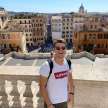

The digital revolution and the spread of new technologies have made travel increasingly simple and accessible, making it unthinkable to separate digital from tourism. The Internet is an integral part of our lives and especially when we travel we can no longer do without looking for information on a search engine or review aggregators to compare various offers. The 21st-century traveler is always connected before, during and after the experience, which is why the challenge for the tourism sector lies in digital.
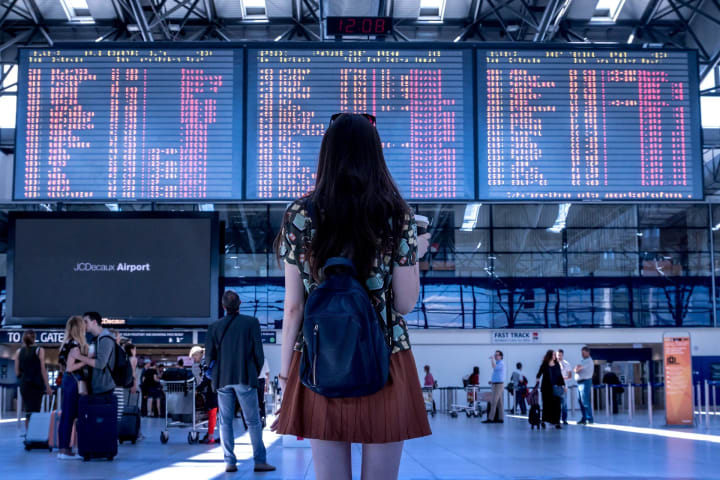
In this scenario of changes in the logic of the tourism industry, users/tourists are also changing and adapting to the new dynamics introduced by Web 2.0 and Travel 2.0, which emphasize connectivity, integration and the creation of multimedia content.
Moreover, users are defined as User Generated Content as it is they themselves who create, share and modify content on the web, creating real networks through which users/tourists are more informed and aware of their choices. The new tourist or tourist 2.0 is the one who searches, plans and books his trips on the Internet. He can be identified with the term prosumer, i.e. a person who is both consumer and producer of contents and information. This term was first defined by Alvin Toffler to describe how users are involved in the production and design of detailed information using the power of technology. In particular, he states that after a period governed by mass-production, post-modern society has moved towards a new frontier of mass-customization.
The 2.0 tourist does not simply search and read online information on tourist destinations, but compares different destination websites to secure the best offer and thus the best value for money. Moreover, the user has powerful tools to verify the accuracy of the information and thus be more confident in his choices. Just think of applications and search engines such as Google that allow users to search for specific advice and information for each tourist product and service. Blogs, social networks and review sites have reduced the information asymmetry typical of the relationship between consumer and producer.

In fact, the modern tourist is no longer influenced by all-inclusive packages or by the proposals created by traditional operators in the sector such as travel agencies and tour operators. He consults friends, relatives and “strangers”, i.e. he reads and compares the various reviews and experiences written by other people who have lived the same experience. The post-modern tourist is looking for authentic experiences in his or her stays that go beyond a simple tour of the main attractions, but wants to come into direct contact with other cultures through customs, habits, food and wine. Travelers want to break out of the preset schemes of the big travel organizers and enjoy memorable experiences that can be recounted through photos and videos posted on social platforms. They are constantly seeking to escape the monotony of everyday life and to immerse themselves in a new socio-cultural context, characterized by a high degree of personalization and differentiation from other travelers.
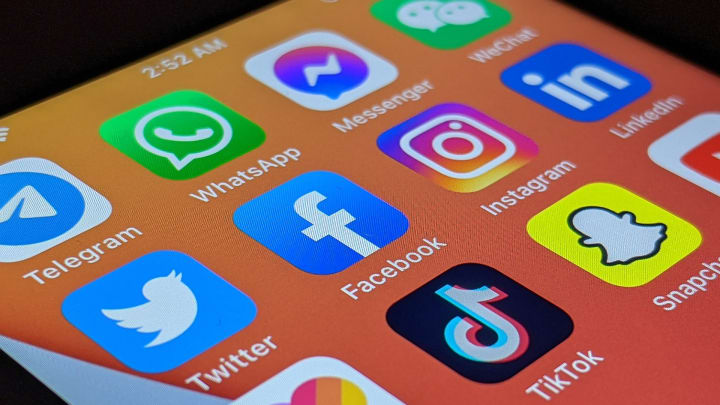
Tourism businesses, DMOs (Destination Management Organisations), public authorities and institutions have a duty to know and implement these new digital technologies to attract and engage users and offer them personalized and differentiated experiences. Especially with the new generations, millennials and Generation Z, who are increasingly used to using smartphones and digital platforms. They look forward to sharing their travels with friends and the world via photos and videos. And it is in this scenario dominated by a digital culture that the “Super Traveller” is born, the tourist who is always connected to the net and who does not need to interact and establish human relations as he or she retrieves and has millions of pieces of up-to-date and always accessible information.
The “Super Traveller”, once at his destination, already knows “things to do”, “things to see”, “where to eat” and this allows him to move in total autonomy. Edoardo Colombo also defines him as a “Silent Traveller” who travels without coming into contact with the local population. From this point of view, it is essential for all tourism operators to realize that it is no longer necessary to exploit the so-called pull factors of a destination (cultural and natural assets, typical production), but it is increasingly necessary to acquire a new awareness in the use of technologies, to know the behavior of travelers at all stages of the tourist journey.
About the Creator
Lorenzo Schiavon
My name is Lorenzo and I am a content writer with a passion for travel and personal development.
Keep reading
More stories from writers in Journal and other communities.
The goals I did not achieve
Every writing goal I made for the year is a wash. It has been this way for a while, but I think it's important to be open about my failures and the reality of how life can get in the way. This is especially true considering the several times I have posted on Vocal about my writing goals, how I was changing my approach, and where I was hoping to be for the upcoming year. I will probably do that again in a couple months, but for now, it is time to acknowledge where I am today.
By Kay Husnick21 days ago in Journal
Russia Claims Ownership of Oil Assets It’s Developing in Venezuela
How Moscow’s energy ties in Caracas are shaping geopolitics amid U.S. pressure Russia has recently made a forceful declaration that the oil assets it is developing in Venezuela are legally and unquestionably its own, intensifying a geopolitical tug-of-war over one of the world’s most oil-rich nations. This claim comes amid heightened tensions between the United States and Russia, sparked by U.S. actions in Venezuela and disagreements over who controls the country’s massive energy resources. �
By Fiazahmedbrohi 3 days ago in Journal



Comments
There are no comments for this story
Be the first to respond and start the conversation.