
Thailand Seeds Market Size and Forecast 2025–2033
Accelerating Agricultural Modernization and Rising Demand for Quality Seeds Fuel Market Expansion
Thailand Seeds Market 2025–2033
The Thailand Seeds Market reached USD 183.88 Million in 2024. It is projected to grow to USD 213.19 Million by 2033, at a compound annual growth rate (CAGR) of 1.49% for the period 2025–2033.
This growth is underpinned by a rising emphasis on sustainable agriculture, improving crop performance, expanding adoption of hybrid and treated seeds, and increasing diversification across crop types including cereals, grains, vegetables, and oilseeds.
What Are Seeds and Why Do They Matter
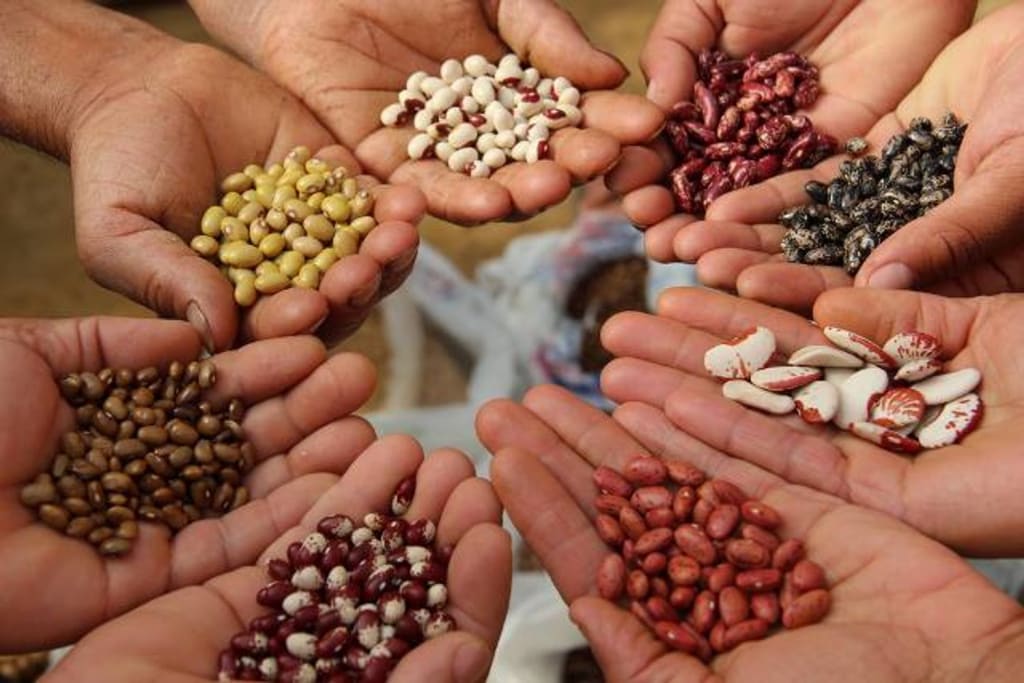
Seeds — whether conventional, hybrid, or genetically enhanced — are the foundational input for agriculture. They determine crop yield, resilience (pest, disease, climate), adaptability to local soil/climate conditions, and ultimately influence food security, farmer income, and sustainability. In the context of Thailand, the seeds market covers a wide range of seed types: cereals & grains, oilseeds, fruits & vegetables, and others — each critical for national food supply, export crops, and diversification.
Key Market Drivers & Growth Catalysts
Advancement of Seed-Health Infrastructure: In January 2024, Thailand’s Department of Agriculture expanded laboratory accreditation to test for seven regulated pests, strengthening phytosanitary measures. This improved seed-quality assurance encourages adoption of certified seeds over uncertified ones.
Scaling Community-Level Seed Distribution: In January 2025, plans were announced to create nearly 5,000 community rice-seed centers covering around 150,000 farming households. Such centers help produce and distribute certified seed locally, enhancing access for smallholder farmers and aligning supply with agro-climatic conditions.
Biotech & Seed Innovation Push: Thailand is investing in genome editing and modern breeding tools to develop disease-resistant and stress-tolerant seed varieties (rice, sugarcane, palm, vegetables). This positions the country as a potential seed-innovation hub in the region, enabling higher-quality, resilient seed varieties.
Rising Demand for Diversified Crops: As agricultural practices evolve, there’s increasing demand for non-traditional crops beyond staple cereals: vegetables, oilseeds, horticulture — driven by changing diets, urbanization, and export opportunities.
Market Challenges & Constraints
Relatively Low Growth Rate: With a modest projected CAGR of 1.49% over 2025–2033, the market growth is restrained compared to more aggressive seed markets in some regions.
Climatic and Regional Variability: Monsoon variability, soil conditions, and regional agro-climatic diversity influence seed adoption patterns and crop success — making seed selection critical and sometimes risky.
Need for Better Adoption Infrastructure: While seed-health infrastructure is improving, consistent adoption of high-quality certified seeds (hybrid/treated/GM) across all farmer segments — especially smallholder and remote rural farms — remains a challenge.
Market Segmentation (As Covered in Report)
The report segments the Thailand seed market based on:
Type: Genetically Modified Seeds; Conventional Seeds.
Seed Type: Oilseeds (soybean, sunflower, cotton, canola/rapeseed); Cereals & Grains (corn, wheat, rice, sorghum); Fruits & Vegetables (tomatoes, lemons, brassica, pepper, lettuce, onion, carrot); plus other types.
Traits: Herbicide-Tolerant (HT), Insecticide-Resistant (IR), Others.
Availability: Commercial Seeds, Saved Seeds.
Seed Treatment: Treated, Untreated.
Region (within Thailand): Bangkok, Eastern, Northeastern, Southern, Northern, Others.
Country / Regional Insights (Thailand-specific Highlights)
The expansion of accredited seed-health laboratories and stricter phytosanitary standards strengthen seed quality control and boost farmer confidence.
Community-level seed centres (nearly 5,000 planned as of 2025) aim to decentralize seed production and distribution — improving seed access in rural and remote areas, and aligning seed types to local agro-climatic conditions.
Through biotech initiatives (e.g. genome editing), Thailand aims to become a Southeast Asia hub for seed innovation and supply drought- or disease-resistant seeds not only domestically but to neighboring countries.
Growing interest in crop diversification beyond staple grains toward vegetables, oilseeds, and horticulture — driven by changing diets, urban demand, and export potential.
Key Players (Seed Companies / Market Participants)
While the report provides detailed company-level competitive landscape including market structure and positioning, some of the globally or regionally active seed firms relevant for Thailand’s seed market include:
Data Insights Market
Charoen Pokphand Group (CP Group) — historically significant seed company in Thailand and Southeast Asia.
Groue Limagrain — global seed firm with presence in Thai seed market.
East-West Seed — a major player active in vegetable seed segment.
Other firms: Syngenta Group, Rijk Zwaan, Lion Seeds Co Ltd, Advanta Seeds / UPL, Enza Zaden — all operating in various seed categories (vegetables, cereals, oilseeds) and contributing to seed diversification. anal
Outlook & Final Thoughts
The Thailand Seeds Market is gradually evolving — from traditional seed usage toward a more structured, quality-certified, and diversified seed ecosystem. Regulatory improvements (seed health accreditation, phytosanitary compliance), decentralized seed distribution (community-level seed centres), and biotech-driven breeding innovations (genome editing) are laying a strong foundation for sustainable agricultural growth. Even though the projected growth rate (1.49% CAGR to 2033) is modest, the qualitative developments — increased seed diversity, better quality control, and innovation — signal a shift in how agriculture is practised in Thailand.
For stakeholders — from seed companies to agritech investors to policymakers — this period represents a transformation window: demand for high-quality, high-yield, and climate-resilient seeds is rising, and seeds are becoming a strategic lever for food security, farm productivity and export competitiveness.
About the Creator
Keep reading
More stories from Chetan Pal and writers in Journal and other communities.



Comments
There are no comments for this story
Be the first to respond and start the conversation.