
Tasuku Honjo: The Japanese Scientist Who Revolutionized Cancer Treatment
Tasuku Honjo: The Japanese Scientist Who Revolutionized Cancer Treatment
Tasuku Honjo: The Japanese Scientist Who Revolutionized Cancer Treatment
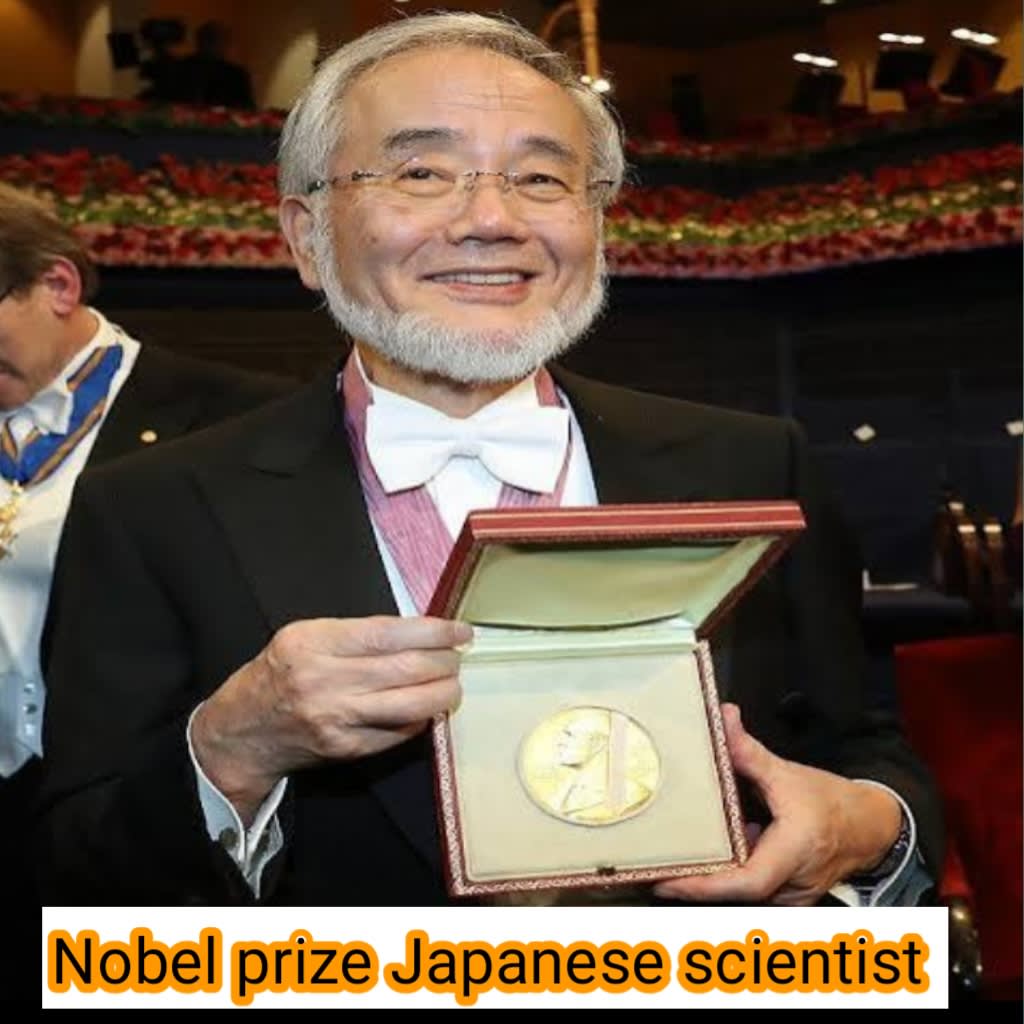
In the fight against cancer, one name stands out for his groundbreaking contribution to medical science — Dr. Tasuku Honjo, a Japanese immunologist whose discovery changed the course of cancer treatment forever. In 2018, Dr. Honjo was awarded the Nobel Prize in Physiology or Medicine, alongside American scientist James P. Allison, for their pioneering work on cancer immunotherapy through the inhibition of negative immune regulation. His research not only opened a new era in oncology but also brought renewed hope to millions of patients around the world.
Early Life and Academic Journey
Tasuku Honjo was born on January 27, 1942, in Kyoto, Japan. From a young age, he displayed a keen interest in biology and medicine, inspired by the mysteries of the human body and the desire to understand how diseases develop. He attended Kyoto University, one of Japan’s most prestigious institutions, where he earned his Doctor of Medicine (M.D.) in 1966 and later a Ph.D. in Medical Chemistry in 1975.
During his early career, Honjo worked in several international research centers, including the National Institutes of Health (NIH) in the United States, where he deepened his understanding of molecular biology and immunology. His experience abroad shaped his scientific vision and taught him to blend curiosity-driven research with a strong sense of purpose — to discover something that could directly improve human lives.
The Discovery That Changed Everything
In the early 1990s, while studying how the immune system functions, Dr. Honjo made a remarkable discovery. He identified a protein called Programmed Cell Death-1 (PD-1) on the surface of immune cells known as T cells. At first, he didn’t fully realize the significance of this finding. However, over years of research, he discovered that PD-1 acts as a “brake” on the immune system — preventing T cells from attacking certain cells, including cancer cells.
Normally, this mechanism is essential because it keeps the immune system from attacking the body’s own healthy tissues. But cancer cells, being extremely clever, often exploit this system by triggering PD-1 to shut down immune attacks against them. In simple terms, cancer “tricks” the body into ignoring it.
Honjo’s breakthrough came when he and his team found a way to block the PD-1 pathway, allowing the immune system to “wake up” and attack cancer cells. This concept became the foundation for a new kind of cancer treatment known as immune checkpoint therapy. Instead of using drugs to directly kill cancer cells, this therapy empowers the immune system to do the job naturally — a revolutionary idea at the time.
From Lab Discovery to Life-Saving Therapy
Following his discovery, pharmaceutical researchers began developing drugs known as PD-1 inhibitors, such as nivolumab and pembrolizumab. These medications have since proven to be life-changing for patients suffering from cancers like melanoma, lung cancer, kidney cancer, and more.
Before PD-1 therapy, many of these cancers had very limited treatment options. Today, patients who once faced hopeless diagnoses are living longer, healthier lives. Some have even experienced complete remission. The success of these treatments is a direct result of Honjo’s decades of dedication and persistence.
Recognition and Global Impact
In 2018, Dr. Tasuku Honjo received the Nobel Prize in Physiology or Medicine, shared with James P. Allison, who discovered a similar immune pathway involving CTLA-4. The Nobel Committee praised their discoveries as “a landmark in the fight against cancer.”
Their work not only transformed cancer therapy but also validated a new scientific philosophy: the idea that the body’s immune system can be trained to fight even the most stubborn diseases. This breakthrough has inspired a wave of new research in immunotherapy, targeting other immune checkpoints and applying similar methods to treat autoimmune diseases and chronic infections.
Dr. Honjo’s achievement also brought immense pride to Japan. He became a symbol of scientific excellence, inspiring a new generation of researchers to pursue innovation and perseverance in the face of challenges.
Beyond the Lab: A Vision for Humanity
Despite his fame, Dr. Honjo remains humble and deeply committed to science. He has often emphasized that his true reward is not recognition, but the lives saved by his discovery. He continues to serve as a professor at Kyoto University, mentoring young scientists and leading research in immunology.
Honjo believes that science should always serve humanity. His discovery is a perfect example of how curiosity-driven research without a clear commercial goal can lead to world-changing results. It took him more than twenty years of hard work, failures, and persistence to see the practical application of his findings, proving that patience and dedication are key ingredients in scientific success.
Legacy and the Future of Immunotherapy
Tasuku Honjo’s discovery has laid the foundation for what many call the “fourth pillar” of cancer treatment, alongside surgery, chemotherapy, and radiation therapy. Immunotherapy has become a global frontier in medicine, and researchers are now exploring how it can be combined with other treatments to fight even more types of cancer.
His legacy goes beyond science. Dr. Honjo has taught the world that innovation is born from curiosity, that persistence leads to progress, and that the human spirit much like the immune system is strongest when it refuses to give up.
Conclusion
Dr. Tasuku Honjo’s journey from a young medical student in Kyoto to a Nobel Prize-winning scientist is a story of vision, perseverance, and hope. His discovery of the PD-1 protein didn’t just advance medicine; it redefined how humanity fights one of its deadliest diseases. Through his work, millions of people have been given a second chance at life, and countless more have found new faith in science’s power to heal.
Tasuku Honjo’s name will forever be remembered as the man who taught our immune systems and our world how to fight back.
About the Creator
Golden bag
In a mountainous area far from the town lived a boy named Aaqil with his parents. Eleven-year-old Aaqil was a fifth-grade student. His father worked with a contractor who broke mountains and sent stones to different parts of the country, while his mother did sewing and embroidery for women, and this was how they earned their living. After finishing his studies, Aaqil helped his mother.
By Sudais Zakwanabout 2 hours ago in Journal


Comments
There are no comments for this story
Be the first to respond and start the conversation.