economy
Economy and the area of production, distribution, trade, and consumption of goods and services.
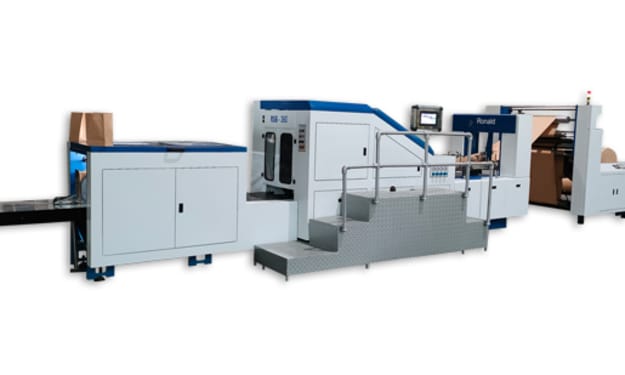
The Ultimate Guide to Square Bottom Paper Bag Making Machines
A square bottom paper bag making machine is a type of machine that is used to produce square bottom paper bags. These machines are fully automatic and can produce bags in various sizes and styles. The machine works by feeding the paper roll into the machine, where it is printed, cut, folded, glued and formed into a square bottom paper bag. Square bottom paper bags are preferred by businesses as they are more stable and have a larger surface area, allowing for more branding and advertising opportunities.
By Siddharth Jain3 years ago in Journal
Home-based business tips for beginners
Starting a home-based company can be a thrilling and fruitful endeavor, but for novices, it can also be overwhelming and intimidating. With so many factors to take into account, having a strong foundation and the correct mindset are essential for success. In this article, we'll look at some practical advice for launching and managing a profitable home-based company.
By kelly josh3 years ago in Journal
The Future of Trust: How Blockchain is Transforming the Way We Do Business
What is the Blockchain or BTC? Imagine you have a group of friends who all want to keep track of how much money they owe each other. Normally, you might use a piece of paper or an Excel spreadsheet to keep track of who owes what to whom. But what if you could use a secure, transparent, and completely decentralized technology, meaning nobody can change the records without everyone else knowing about it? That’s where blockchain comes in!
By ansam yousry3 years ago in Journal
India vs China: The Battle for Manufacturing Supremacy in the Global Market
The manufacturing industry is a significant contributor to the economic growth of any country. India and China, both being populous nations, have immense potential in this sector. However, the manufacturing industries in both countries have had different journeys, and their paths have been influenced by various factors, including wars and geopolitical conflicts. In this article, we will explore the India-China war on manufacturing, its history, current status, and future possibilities.
By Kamrul Hassan3 years ago in Journal
Time Traveler?
Is Time Traveler Believable? Time travel has always been the stuff of science fiction and fantasy, but could it be possible? Even though many people find it hard to believe, recent advancements in physics and technology have made time travel a possibility.
By Ad Jewelry3 years ago in Journal
The busiest railway station in india
The busiest railway station in the country is the Howrah Junction railway station located in the city of Kolkata (formerly known as Calcutta), in the state of West Bengal, India. Howrah Junction is one of the oldest and busiest railway stations in India and serves as a major gateway to the eastern and north-eastern regions of the country. It has 23 platforms and handles more than a million passengers every day, making it one of the busiest railway stations in the world.
By Sagnik Mitra3 years ago in Journal
The Pros and Cons of Cloud Computing: Is It Right for Your Business?
In recent years, cloud computing has become a buzzword in the world of technology. But what exactly is cloud computing, and what are its advantages and disadvantages? More importantly, is it the right solution for your business? In this blog, we will explore the pros and cons of cloud computing and help you determine if it is the right fit for your business. What is cloud computing? Cloud computing is a model for delivering IT services over the internet. Rather than storing data and running applications on local servers or personal computers, cloud computing enables businesses to access computing resources, such as servers, databases, storage, and applications, on-demand over the internet. The pros of cloud computing Cost Savings: One of the main advantages of cloud computing is cost savings. Businesses can save money on hardware, software, and maintenance costs by moving their computing resources to the cloud. Since cloud computing is a pay-as-you-go model, businesses only pay for the resources they use, and there is no need to invest in expensive infrastructure upfront. Scalability: Cloud computing is highly scalable, and businesses can easily scale their resources up or down to meet their changing demands. This is particularly important for businesses that experience seasonal fluctuations in demand or unpredictable growth. Accessibility: Cloud computing allows businesses to access their data and applications from anywhere in the world, as long as they have an internet connection. This is particularly useful for businesses with remote employees or multiple locations. Data Security: Cloud providers invest heavily in data security, and their systems are typically more secure than most on-premises solutions. Cloud providers offer advanced security features like encryption, intrusion detection, and identity and access management, which can help businesses protect their data from cyber threats. Disaster Recovery: Cloud computing offers built-in disaster recovery capabilities. In the event of a disaster, businesses can easily recover their data and applications from the cloud without the need for costly and time-consuming backup and recovery processes. The Cons of Cloud Computing Dependence on Internet Connectivity Cloud computing relies heavily on internet connectivity. If your internet connection goes down, you will not be able to access your data or applications. This can be a significant problem for businesses that require constant access to their resources. Limited Control: When you move your resources to the cloud, you are ceding control to your cloud provider. You will need to trust that your cloud provider is maintaining your resources at the level you expect. Compliance Concerns: Businesses that operate in heavily regulated industries, such as healthcare or finance, may have compliance concerns about storing their data in the cloud. They will need to ensure that their cloud provider is compliant with all relevant regulations and has adequate security measures in place to protect their data. Migration Challenges: Moving your resources to the cloud can be a complex and time-consuming process. Businesses need to carefully plan their migration and ensure that they have the necessary expertise to complete the process successfully. Is cloud computing right for your business? Cloud computing offers numerous advantages, including cost savings, scalability, accessibility, data security, and disaster recovery. However, it also has its drawbacks, such as dependence on internet connectivity, limited control, compliance concerns, and migration challenges. Ultimately, whether or not cloud computing is right for your business will depend on your unique needs and circumstances. If you are looking to save costs, increase scalability, and improve accessibility, cloud computing may be a great solution for your business. However, if you have compliance concerns or require full control over your resources, on-premises solutions may be a better fit. In conclusion, businesses need to carefully evaluate their needs and consider the pros and cons of cloud computing before making a decision. By doing so, they can make an informed decision that best serves their business in the long run.
By Aman Sharma3 years ago in Journal
From Instagram to TikTok:The Best Social Media for Money try now
Introduction Social media has end up an vital section of our lives, with hundreds of thousands of human beings the use of it day by day to share their thoughts, ideas, and experiences with the world. However, social media is now not simply about connecting with pals and household or sharing pix and videos. It has additionally end up a effective platform for agencies and men and women to make money. In this blog, we will talk about the exceptional social media structures for making money.
By Sathish Raj 3 years ago in Journal