
Sweden's Prospective NATO Membership
What It Brings to the Table
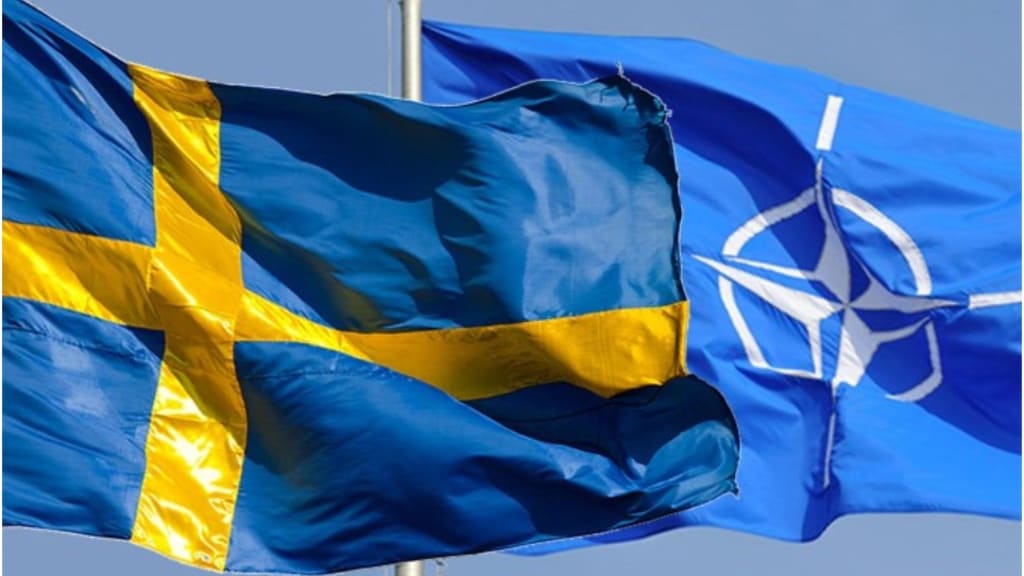
Sweden's potential membership in the North Atlantic Treaty Organization (NATO) has garnered significant attention after Turkey dropped its opposition, clearing the path for Sweden to join the Western military alliance. This development raises important questions about what Sweden can contribute to NATO and the expectations from both sides. The following analysis explores the geographical advantages, military capabilities, and potential benefits that Sweden's membership could bring to NATO.
Geographical Significance
From a geographical standpoint, Sweden's accession to NATO would extend the alliance's territory along the entire Baltic coastline, except for the Russian coast and its exclave, Kaliningrad. This geographic advantage would play a crucial role in bolstering the defense of the Baltic states in the face of a potential Russian aggression. By providing easier transportation routes by sea, Sweden's inclusion would facilitate the movement of troops and equipment to Estonia, Latvia, and Lithuania. Notably, the island of Gotland holds immense strategic significance due to its central location in the Baltic Sea.
According to Simon Koschut, Professor of International Security Policy at Zeppelin University, Sweden's geographical position is a highly attractive factor for NATO. He emphasizes that controlling the vast expanse of the Baltic Sea from the strategically positioned Gotland Island would significantly strengthen NATO's presence and operational capabilities in the region. Sweden's membership would not only enhance NATO's defensive posture but also ensure a robust deterrence against potential adversaries in the Baltic area.
Military Capabilities
Despite its relatively small size, Sweden possesses a modern and self-manufactured air force, making it a valuable addition to NATO's military capabilities. The Swedish armed forces also boast a considerable fleet of submarines, further enhancing their strategic relevance. Moreover, Sweden's military has acquired substantial battle experience through its participation in various NATO missions, such as its involvement in Afghanistan. This experience not only demonstrates Sweden's commitment to international security efforts but also showcases its ability to contribute effectively to joint operations within the alliance.
Sweden's armed forces have undergone significant modernization and reforms in recent years. The country's defense spending, currently amounting to approximately 1.3% of its gross domestic product (GDP), has seen notable increases and is expected to continue rising. This upward trend reflects Sweden's recognition of the evolving security landscape and the need to adapt its defense capabilities accordingly. Previous events, including Russia's aggression in Georgia in 2008 and the annexation of Crimea in 2014, have served as wake-up calls for Sweden, prompting a reevaluation of its defense posture. The subsequent war of aggression waged by Russia against Ukraine further underscored the importance of reassessing Sweden's security priorities.
Benefits of NATO Membership
For Sweden, the most significant benefit of joining NATO lies in the security guarantees provided under Article 5 of the alliance's treaty. This pivotal clause stipulates that an armed attack against one or more NATO members shall be considered an attack against all, mandating collective defense. The inclusion of Sweden in this framework would ensure that the country receives the full protection and support of the alliance in the event of aggression.
Additionally, NATO membership would grant Sweden equal rights and a voice in the NATO Council, the primary decision-making body of the alliance. This would include the power of veto, which had been previously utilized by Turkey to block Sweden's accession. By becoming a NATO member, Sweden would have a say in shaping the alliance's policies, strategies, and initiatives, allowing it to actively contribute to collective defense efforts and decision-making processes.
Moreover, Sweden's potential NATO membership would signify a deepening of the already existing close cooperation between Sweden and NATO. The country has collaborated closely with the alliance on numerous fronts, including military exercises, information sharing, and joint defense planning. Becoming a full-fledged NATO member would further solidify this partnership and provide a formal framework for enhanced cooperation.
Conclusion
Sweden's prospective membership in NATO holds significant potential for both Sweden and the alliance. From a geographical perspective, Sweden's inclusion would extend NATO's territorial reach in the Baltic region, bolstering defense capabilities and facilitating the movement of forces and equipment. Sweden's modern military capabilities, battle-hardened forces, and increased defense spending contribute to its value as a valuable ally within the alliance. Furthermore, Sweden's accession to NATO would provide the country with security guarantees and an equal say in decision-making processes, ensuring its protection and active participation in shaping collective defense efforts. As Sweden progresses toward potential NATO membership, its geographic location, military capabilities, defense investments, and shared values with the alliance make it an attractive partner, further strengthening NATO's security architecture in Northern Europe.
About the Creator
Keep reading
More stories from Décio António Benjamim Verão and writers in Journal and other communities.
Blinken Holds Meeting with Chinese Diplomat Wang Yi in Jakarta
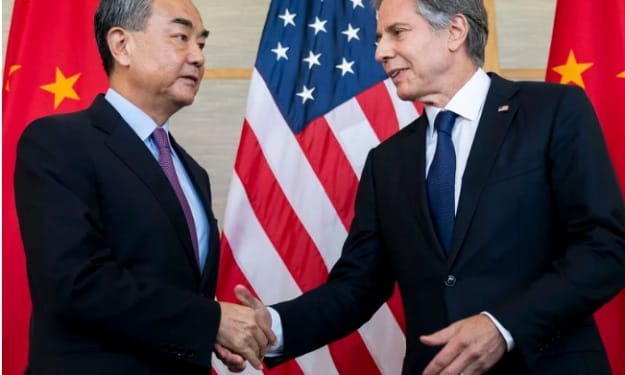
Introduction: In a bid to address the escalating tensions between the United States and China, U.S. Secretary of State Antony Blinken engaged in a meeting with top Chinese diplomat Wang Yi on the sidelines of ASEAN meetings in Jakarta, Indonesia. This interaction marks another chapter in the ongoing exchanges between the rival superpowers. The meeting, which took place in a hotel in central Jakarta, aimed to pave the way for a possible summit between President Joe Biden and Chinese leader Xi Jinping later in the year. While efforts were made to find common ground, underlying trade, security, and geopolitical disagreements persisted.
By Décio António Benjamim Verão3 years ago in Journal
The Evolution of Aerospace Connectors From Analog to Digital
The aerospace industry has undergone a remarkable transformation over the past few decades, driven by a relentless pursuit of efficiency, reliability, and innovation. One of the unsung heroes of this revolution is the humble aerospace connector a component so small yet essential to the safe and seamless operation of modern aircraft. From the early days of aviation to today’s digital, highly automated aircraft, aerospace connectors have evolved significantly. Let’s take a journey through this evolution, exploring how they’ve progressed from analog simplicity to the sophisticated digital systems that power today’s aircraft.
By Beckett Dowhan4 days ago in Journal
Wild Card Weekend Recap: What Happens Now?
I think I figured out why I love Wild Card Weekend so much. It's because it's the first playoff anything of the calendar year. The NFL season starts in the fall, and once upon a time, the champion was crowned either on or slightly before New Year's. The evolution of the NFL schedule has resulted in the playoffs starting just into the New Year, and currently, the final week of the season falls on the first weekend of the New Year, with Wild Card Weekend coming a week after that. So yes, chronologically, the NFL's Wild Card Weekend serves as the first playoff anything of the calendar year.
By Clyde E. Dawkins6 days ago in Unbalanced



Comments (1)
As a Swedish citizen I for one am grateful Turkey has dropped it's grievances. Informative and concise journalism. Well done.