
Students Make $160M Bottle Business in 3 Years
A scented ring, a clever idea, and a booming business
This is a water bottle that makes ordinary water taste like a beverage. This cool idea originated from the graduation thesis of two students, Neuroscience meets Design, allowing them to sell $160 million in three years.
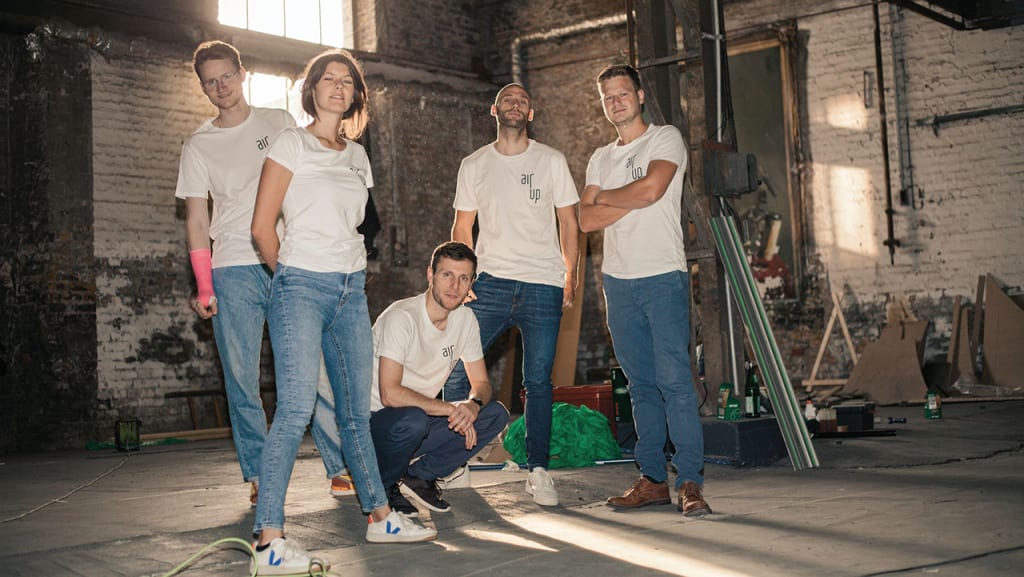
- Co founders:Tim, Lena, Simon, Fabian and Jannis
- Sales channels: Website, TikTok, Ins, Facebook, Amazon
- Price: $35-50/Bottle, $3-4/Flavor
- Customers: 6,000,000+
- Revenue: Over $159M in 2023

Next, I’ll share the story from the co-founders’ first-person perspective:
- Where did the idea come from?
- Aggressive Investment in Production
- Infringement cost us €1 Billion
- How we split the marketing budget?
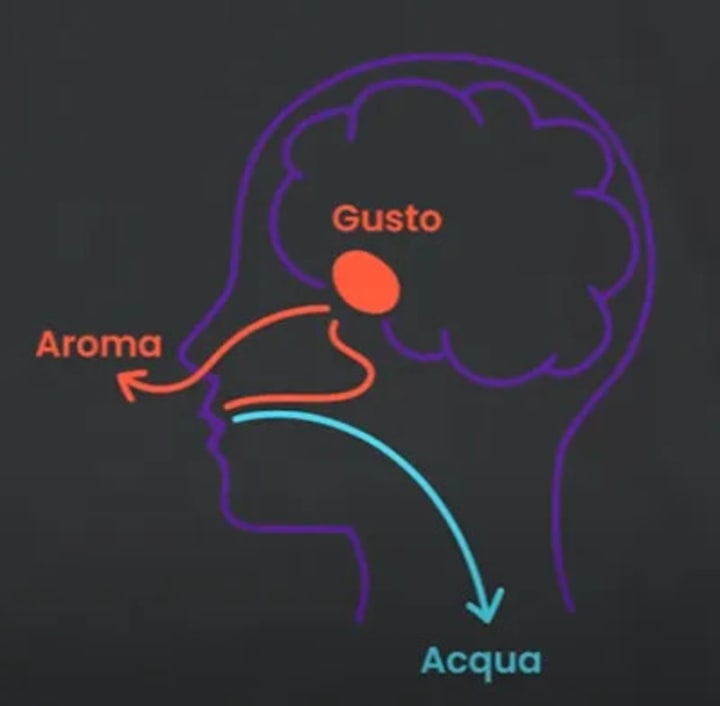
Now, let’s take a look at how the product works: When you drink water, the flavor Pods release scent molecules, which travel to your brain through your nose. This “tricks” your brain into thinking you’re drinking a flavored beverage, even though it’s just plain water.

Where did the idea come from?
While working on our final thesis, Tim and I watched a TED talk about how people are addicted to sugar and junk food, often due to flavor cravings. That got us thinking: Could we stimulate the delicious flavors without the unhealthy ingredients like sugar and fat?
We did some research and found that 80% of taste is actually determined by smell. The key question became: How can we use scent to experience flavor?
To test the idea, I bought a room perfume maker, connected a straw to it, and tried sipping water while inhaling the scent. To my surprise, it actually worked! That’s when I realized that the scent has to go through the mouth—just like when you chew food, the smell enhances the taste.
We spent 1.5 months writing the thesis and then about 1.5 years developing the prototype. During that time, we hand-crafted different flavored scent pods and tested them with friends, repeatedly refining which bottle shape worked best.

To ensure the product’s safety, my friend Fabian, a food science major, tested it in his master’s thesis. The results confirmed its feasibility for mass production. Later, my friends Jannis and Simon joined to help bring the product to life.
Aggressive Investment in Production
Once we decided to startup, we initially planned to produce 1,000 units for market testing. But we were running low on funds, so we 3D printed the prototype and started pitching investors. Fortunately, our concept caught the attention of investors, and we secured a significant initial investment.
Looking back, scaling up to 80,000 units was a risky move. We hadn’t done market research, and had no idea whether the product would actually sell. If I could do it all over again, I would be more cautious.
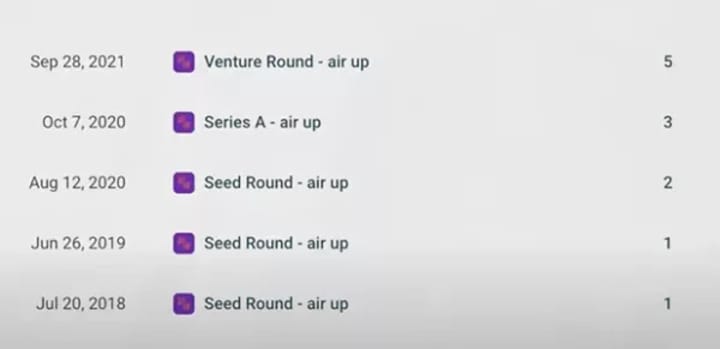
Thankfully, the market responded well to our product. We went on to receive €1 million in investment from well-known investors Ralf Dümmel and Frank Thelen on the German pitch show Die Höhle der Löwen. We scored a €40 million Series B in 2021, with Pepsi on board.

Infringement cost us €1 Billion
Once a revolutionary product hits the market, it’s inevitable to avoid copycats. After securing €1 million in funding, we spent nearly €500,000 on patents and trademark applications, and even signed NDAs with suppliers. But knock-offs are still a huge headache. In 2023, there were over 10,000 fake product listings, costing us nearly €1 billion in both economic loss and brand damage. To tackle this, here’s what we did:
Marketplace pressure: At first, we hired a legal team to ask marketplaces remove the listings. However, sly sellers just tweak a few pictures or sentences, and there was no follow-up. So, we started sending cease and desist letters or temporary injunctions directly to sellers via marketplaces. This pushed them to take down the infringing listings much faster.
Source control: We worked with a Chinese law firm since most fakes come from China, where our bottles are made. We also moved production to Germany, the Netherlands, and Austria.
Customs partnership: We partnered with European customs to intercept counterfeit goods at the border by showing officers the differences between real and fake Air Up bottles.

How we split the marketing budget?
At first, we opted for a B2B model and took our prototype to grocery retailers, marketplaces, hardware stores, and even tailor shops. Eventually, we convinced a distributor.
But then, we realized the future was all about D2C (direct-to-consumer) and online marketing. By going direct, we could talk to consumers, know what they liked, and focus on precision marketing. This is how we divided our marketing budget:
- 45% Influence marketing
- 30% TikTok & Meta(Facebook/Ins) ads
- 20% Youtube ads
- 10% PR
45% went into collaborating with influencers to create creative content and build our brand. They’re great at showing what the product does and getting people hooked on products.
30% was spent on TikTok and Meta ads, where we’ve seen great engagement.
20% went to YouTube ads, targeting our core audience of 8-40 years old. PR took up about 10%, including press releases.

Influencer marketing in Italy was a huge success. Our 2022 sales reached €159 million, with Italy contributing 1/3 of this figure. We dug into what European Gen Z liked and partnered with influencers to create cool unboxing videos and viral entertainment-focused content.
Beyond Gen Z, we also target the 30+ audience. For example, kids love flavored water, but for moms, Air Up is a healthier choice than sugary drinks. Working with mom creators, beauty and fitness influencers drove a major increase in brand building and product sales.
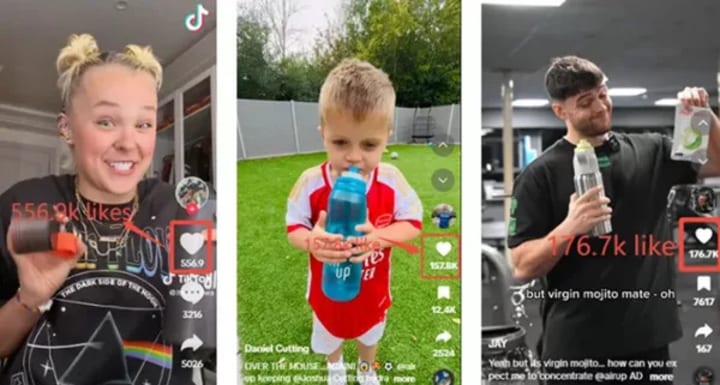
A successful business requires more than just a great idea; it needs to be commercially viable. But we don’t recommend going all-in based on belief alone. Testing the market with small orders first is a safer approach. Even so, their strategy for sales channels, copyright management, and online marketing was truly insightful.
Originally published on jingsourcing.com
About the Creator
Jingsourcing.com
Finding a reliable supplier and ensuring smooth production is challenging. JingSourcing takes care of the entire process, from sourcing suppliers to shipping.
Keep reading
More stories from Jingsourcing.com and writers in Journal and other communities.
How China’s Eyewear Supply Chain Fuels Lucrative D2C Brands
Two weeks ago, a European client came to us. They wanted to launch a line of eyewear including optional non-prescription or light reading lenses, sunglasses for cycling, fishing, skiing, and running, along with a few related accessories. They wanted product performance close to well-known brands like Oakley or Smith Optics, but at a much more competitive price.
By Jingsourcing.com 3 days ago in Journal
Why Many Women Prefer the Abaya for Comfort and Style
Fashion trends change quickly, but some clothing pieces continue to remain meaningful and relevant over time. One such garment is the abaya. Traditionally worn in several Middle Eastern countries, the abaya has become an important part of modest fashion around the world.
By Shahnaz Khan21 minutes ago in Journal



Comments (1)
This water bottle concept is really cool. It's amazing how an idea from a thesis turned into such a successful product. I wonder how they managed to perfect the scent delivery so precisely. I've had similar thoughts about using smell to enhance taste, but never thought it could be this effective. Also, curious to know more about the challenges they faced during the 1.5 years of prototype development.