
Storing Lithium Batteries the Right Way: Practical Steps to Preserve Capacity and Safety
Actionable, engineer-friendly guidance—how to prepare, store, and maintain idle lithium batteries so they last longer and remain safe for reuse.

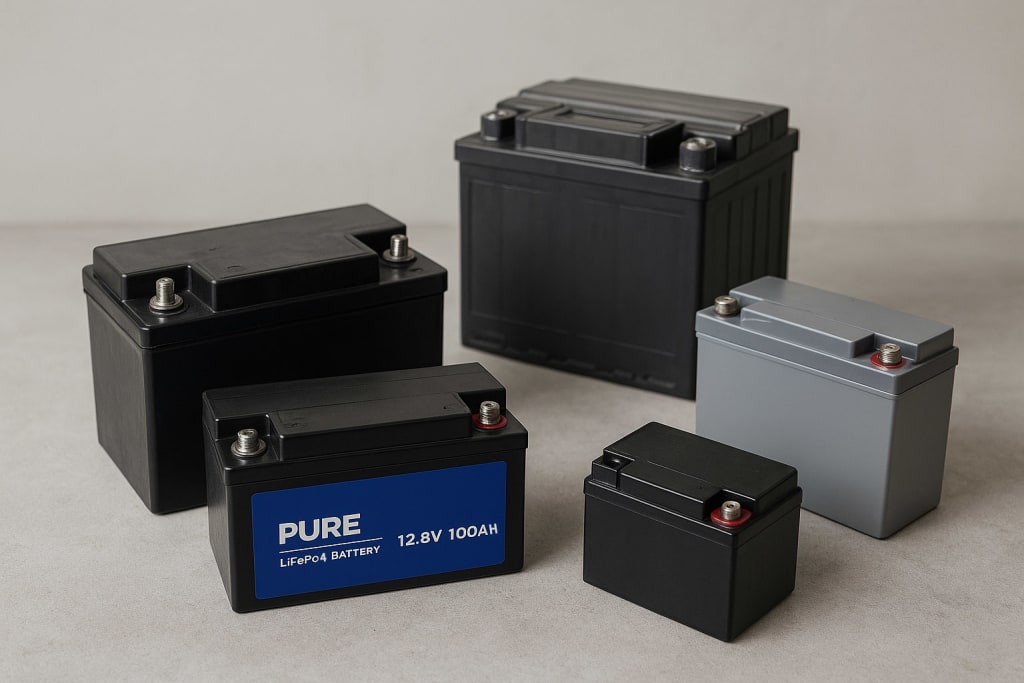
Lithium-ion batteries power everything from smartphones and drones to backup power systems and electric tools. But when these batteries sit idle for weeks, months, or years, their chemistry and safety margins change. Proper storage preserves capacity, reduces the risk of failures, and saves money over the long run. This article gives clear, practical instructions—backed by industry practice—on how to store idle lithium batteries, what environments to avoid, and what maintenance routines actually help.
Why storage matters
Lithium-ion cells are electrochemical systems that slowly self-discharge and age even when not in use. Temperature, state of charge (SOC), humidity, and physical stress are the main drivers of irreversible capacity loss and premature failure. Left unchecked, a deeply discharged battery can fall below the voltage at which it can be safely recharged; a fully charged battery stored in a hot environment can lose capacity faster and may develop safety-compromising internal changes. Thoughtful storage mitigates all of these risks.
The single most important rule: store at the right charge level
For most lithium-ion chemistries the safest and most life-preserving state of charge for long-term storage is partial—not fully charged and not fully empty. Aim for about 40–60% SOC for long-term storage. This level balances minimizing self-discharge losses with avoiding the stresses of a high-voltage state. If you only have a binary option from a device—charged or empty—remove the battery and charge it to storage SOC with a proper charger before shelving it.
Practical tip: If you use battery-capable devices for inventory, set a policy to charge new stock to ~50% and record the date and SOC on each battery or its label.
Temperature and humidity: control the environment
Temperature is the dominant environmental factor affecting battery longevity:
Short-term storage (days to weeks): Most lithium batteries tolerate a broad range (for many consumer cells roughly −20°C to 35°C), but avoid extremes and rapid swings.
Long-term storage (months to years): A cool, stable environment is best—ideally in the 10°C to 30°C band, with many operations targeting the 15°C–25°C sweet spot. Cooler temperatures slow chemical reactions and calendar aging; however, do not freeze the cells.
Humidity also matters: store batteries in a dry place (relative humidity <60%) away from corrosive atmospheres. Avoid basements prone to dampness and rooms with high condensation risk.
Mechanical and electrical precautions
Remove batteries from devices when storing equipment long-term. This avoids parasitic drains, accidental charging cycles, and exposure to device-level heat or charge profiles that aren’t optimized for storage.
Prevent short circuits: Keep battery terminals insulated or capped and never store batteries loose with metal objects or conductive tools. Use original packaging, dedicated plastic trays, or battery storage cases.
Avoid mechanical stress: Don’t stack heavy objects on batteries; protect cells from punctures, crushing, or excessive vibration.
Inspection and cleaning before storage
Before shelving any battery, perform a quick inspection:
Visual check: Look for swelling, leakage, corrosion, or damaged terminals. Any physical damage or swelling is a reason to retire the cell and recycle it safely.
Voltage check: Measure open-circuit voltage. If the battery is deeply discharged (below manufacturer minimum), do not attempt a rapid charge—use a qualified service procedure or consult the vendor.
Clean terminals: Remove dirt and oxidation with a dry, lint-free cloth; avoid solvents unless recommended by the manufacturer.
Labeling and records
Good inventory practices reduce risk and simplify maintenance:
Label each battery with the date stored and measured SOC.
Maintain a simple log (spreadsheet or CMMS entry) recording battery ID, last measured voltage, storage SOC, and next inspection date. This helps ensure periodic checks and prevents forgotten packs.
Periodic maintenance while idle
Batteries should not be left untouched forever. For long-term storage, schedule periodic checks every 3 months (some vendors recommend every 2–3 months) to measure voltage and top up to the storage SOC if needed. If a battery loses more than a few percentage points of SOC between checks, investigate for parasitic drains or underlying cell problems.
When topping up, use a charger compatible with the cell chemistry and follow the manufacturer’s recommended storage voltage. For multi-cell packs, ensure the charger or maintenance system balances cells or that the pack’s BMS performs balancing during maintenance pulses.
Special considerations for extreme environments
Cold climates: If a storage area may fall below freezing, keep batteries indoors or in insulated containers. Charging at subzero cell temperatures can cause lithium plating and irreversible damage—do not charge until the battery is within safe temperature limits.
High-heat environments: Elevated temperatures accelerate calendar aging. If you cannot avoid warm storage, lower the SOC toward the middle of the recommended storage band and shorten inspection intervals.
Safety and disposal
Treat swollen or damaged batteries as hazards. Isolate them in a non-flammable container and follow local regulations for hazardous battery disposal—do not attempt to puncture or forcibly revive swollen cells.
Avoid DIY repairs. Battery packs with integrated BMS or welded connections should only be serviced by qualified technicians.
Recycle responsibly. Even idle batteries have value and environmental impact; use certified recycling channels.
Tools that make storage easier
If you manage a moderate inventory, consider investing in:
Dedicated storage chargers / maintenance units that can charge to a target storage SOC and report voltages.
Temperature- and humidity-controlled cabinets for mission-critical or long-term archival batteries.
Simple BMS-enabled modules for packs that log SOH and SOC during storage, enabling predictive replacement rather than reactive failure.
A simple step-by-step storage checklist
Inspect battery for damage or swelling—retire if any is found.
Clean terminals and measure open-circuit voltage.
Charge or discharge to ~40–60% SOC with a compatible charger.
Label battery with date and SOC; record it in your log.
Store in a cool, dry place away from metal objects, flammable materials, and children.
Check voltage and top up every 3 months; shorter intervals in high-heat conditions.
Closing thoughts
Properly storing idle lithium batteries is mostly about discipline and environment control. Partial charge, cool/dry storage, periodic checks, and safe handling prevent many common failure modes. For organizations, putting these simple procedures into procurement and maintenance workflows reduces downtime, extends battery life, and avoids many safety headaches. If you manage inventory at scale, a modest investment in maintenance chargers and controlled storage pays for itself through fewer replacements and improved reliability.
About the Creator
Richye Power
Discover RICHYE Battery, a leading lithium battery manufacturer renowned for excellence in performance and quality. Experience superior reliability and innovative solutions tailored to meet your specific needs.
Keep reading
More stories from Richye Power and writers in Journal and other communities.
Stay Cool and Powered: Mastering Portable Power Stations for Summer Adventures
As temperatures soar and daylight hours stretch, summer beckons outdoor enthusiasts, remote workers, and emergency planners alike to rely on portable power stations. These versatile units—packed with lithium‑ion batteries, advanced Battery Management Systems (BMS), and multiple output ports—keep your devices, appliances, and essential gear humming, even far from conventional outlets. Transitioning advice traditionally geared toward winter use to summer’s heat and sunlit conditions requires a fresh look at battery performance, charging strategies, and operational safety. Here’s how to get the most out of your RICHYE portable power station during the hottest season of the year.
By Richye Power6 months ago in Journal
The Devil's Cut
“Comrade, finally you’re awake.” The voice was smooth, sensual. A flickering incandescent bar was all that lit the white, sterile room. All Vladimir remembered was everything going black. He tried to move his arms and found them strapped to the gurney.
By Matthew J. Fromm5 days ago in Fiction


Comments
There are no comments for this story
Be the first to respond and start the conversation.