
Stay Cool and Powered: Mastering Portable Power Stations for Summer Adventures
Maximize Performance and Safety Under the Sun with Smart Energy Solutions

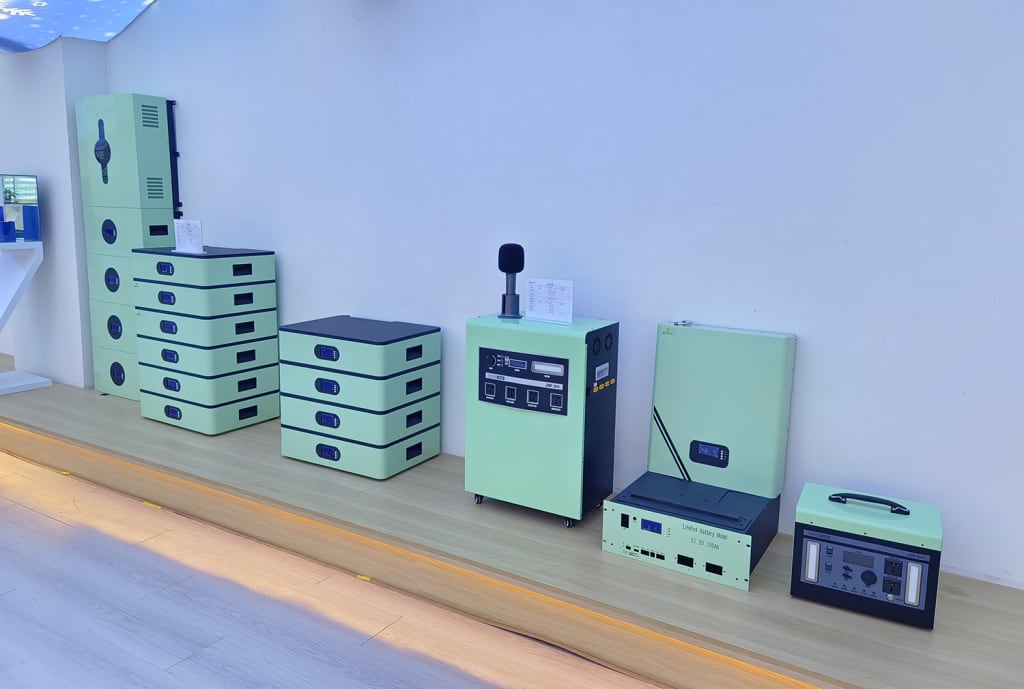
As temperatures soar and daylight hours stretch, summer beckons outdoor enthusiasts, remote workers, and emergency planners alike to rely on portable power stations. These versatile units—packed with lithium‑ion batteries, advanced Battery Management Systems (BMS), and multiple output ports—keep your devices, appliances, and essential gear humming, even far from conventional outlets. Transitioning advice traditionally geared toward winter use to summer’s heat and sunlit conditions requires a fresh look at battery performance, charging strategies, and operational safety. Here’s how to get the most out of your RICHYE portable power station during the hottest season of the year.
1. Understand Summer’s Impact on Battery Performance
Summer’s high ambient temperatures and intense sunlight can both benefit and challenge portable power stations:
Heat and Battery Efficiency
Lithium‑ion batteries typically perform best between 60°F and 80°F (15–27°C). When temperatures climb above 95°F (35°C), internal resistance can rise, reducing available capacity and accelerating degradation over time. Look for power stations built with LiFePO₄ cells, which tolerate heat better than other chemistries, and ensure the integrated BMS includes thermal monitoring and advanced cooling controls.
Solar Charging Advantages
Longer summer days yield more sun hours for solar recharging. MPPT (Maximum Power Point Tracking) charge controllers optimize energy harvest from your panels, even under shifting light. Position solar panels for maximum exposure—ideally perpendicular to the sun’s rays at midday—and consider adjustable tilt mounts to maintain ideal angles as the sun’s elevation changes.
2. Choosing the Right Power Station Features
Not all portable power stations are created equal. For reliable summer operation, prioritize these features:
High-Temperature Cutoff & Active Cooling
A power station with automatic fan cooling and thermal cutoff protects cells from overheating. Fans should activate when internal temperatures exceed safe thresholds, venting heat without compromising weather resistance.
Multiple Output Ports
Summer activities often require powering a diverse array of devices: USB‑C laptops, 120 VAC coolers, 12 V DC lights, and even 5 V USB‑A ports for smartphones. Ensure your station offers a mix of AC outlets, regulated DC outputs, and fast‑charge USB ports with Power Delivery (PD) support.
Solar Input & MPPT
For extended off‑grid use, an integrated MPPT solar input that accepts 100–450 W panels enables rapid replenishment. Dual MPPT inputs can further boost charging speed when paired with multiple panel arrays.
LCD Monitoring & App Connectivity
Real‑time data on battery state of charge (SoC), input/output power, and temperature lets you manage loads proactively. Bluetooth or Wi‑Fi connectivity allows smartphone monitoring, remote firmware updates, and usage logging.
3. Optimizing Summer Charging Strategies
Effective charging in hot weather requires more than just leaving panels in the sun. Follow these best practices:
Shade and Ventilation for the Station
Place your power station in a shaded, well‑ventilated area to avoid direct heat buildup. Elevated racks or open‑frame stands promote airflow underneath.
Solar Panel Placement
Mount panels where they receive unobstructed sunlight. Avoid reflective surfaces—like water—which can overheat panels and reduce efficiency. Clean panels regularly to remove dust and pollen that degrade performance.
Staggered Charging
If multiple charging sources are available (AC outlet, solar, vehicle DC), stagger input sources to balance thermal load. For example, bulk‑charge via AC overnight and use solar for daytime top‑offs.
Monitor Temperature
Keep an eye on the station’s internal temperature readout. If internal temps exceed manufacturer recommendations (often around 122°F/50°C), reduce input power or relocate to cooler shade.
4. Safely Powering High‑Draw Summer Appliances
Summer gear often draws more power than winter essentials. Common high‑draw loads include:
12 V Portable Refrigerators
Efficient models consume 40–60 W when running. Match your station’s DC output amperage (e.g., 10 A) to avoid voltage drop and ensure consistent cooling.
12 V Fans and 120 VAC Air Conditioners
Small 120 VAC evaporative coolers or 12 V brushless fans can draw 50–200 W. Check surge ratings: air conditioners may draw 2–3× their running current on startup. Verify your power station’s inverter can handle these peaks—look for a minimum 2,500 W surge capacity if you plan on AC cooling.
Electric Grills and Outdoor Kitchen Appliances
Devices like electric griddles, blenders, and induction cooktops can require 1,200–1,800 W. For extended cook sessions, monitor SoC and switch to solar or generator top‑ups as needed.
5. Maintenance & Storage Tips for Peak Summer Performance
Regular care ensures your power station remains reliable throughout the season:
Routine Inspection
Check air vents and fan intakes for dust buildup every two weeks. Clean with compressed air to maintain optimal airflow.
Partial Storage Charge
If you won’t use the station for a week or more, store it at 50–60% SoC in a cool environment (ideally below 77°F/25°C). Fully charged or fully depleted storage in heat can stress cells.
Firmware Updates
Manufacturers often release updates optimizing thermal management and charging algorithms. Connect to the companion app monthly to check for improvements.
Cable Care
UV exposure and high heat can degrade cable jackets. Use UV‑resistant conduits or keep cables under shade to prolong lifespan.
6. Emergency Preparedness: Summer Power Outages
Summer storms and grid overloads can trigger blackouts. A well‑maintained portable power station serves as an essential lifeline:
Backup Critical Loads
Pre‑identify essential devices—Wi‑Fi router, medical equipment, lighting—and calculate their combined load. A 1,500 W continuous inverter can sustain basic home needs for several hours on a 1 kWh station.
Auto‑Switch Kits
For seamless transition during an outage, integrate an automatic transfer switch (ATS) between your home circuit and the power station. When the grid fails, the ATS reroutes predefined circuits to battery power without manual intervention.
Multi‑Station Scalability
Link multiple RICHYE power stations in parallel to expand capacity. Some systems support “stackable” operation, enabling a single app to monitor and control an array of units.
7. Enhancing Sustainability with Solar Integration
Pairing your portable station with solar panels not only extends runtime but also reduces reliance on fossil‑fuel generators:
Flexible vs. Rigid Panels
Flexible panels are lightweight and conform to curved surfaces—ideal for roof racks and backpack setups. Rigid panels are generally more efficient and durable for stationary camps.
Energy Budgeting
Calculate your daily energy draw (in watt‑hours) and match solar input to replenish at least 120% of that use. For a 20 Ah/day draw at 12 V (~240 Wh), deploy at least a 100 W panel for 4–5 hours of sun.
Portable Solar Kits
All‑in‑one kits include foldable panels, cables, and MC4 connectors, simplifying setup. Choose models with integrated kickstands and protective carry cases for quick deployment.
Conclusion
Summer’s heat and extended daylight bring both opportunities and challenges for portable power station users. By selecting units with robust thermal management, versatile output options, and integrated MPPT solar charging, you can stay powered for everything from weekend camping trips to critical emergency backup. Implement best practices—shaded placement, staggered charging, regular maintenance—and leverage solar integration for a truly off‑grid lifestyle. With a RICHYE portable power station at your side, you’ll enjoy reliable, efficient energy wherever the sun takes you. Stay cool, stay connected, and harness the full potential of summer‑ready power.
About the Creator
Richye Power
Discover RICHYE Battery, a leading lithium battery manufacturer renowned for excellence in performance and quality. Experience superior reliability and innovative solutions tailored to meet your specific needs.
Keep reading
More stories from Richye Power and writers in Journal and other communities.
Green Power in the Warehouse: How Lithium Forklift Batteries Drive Environmental Sustainability
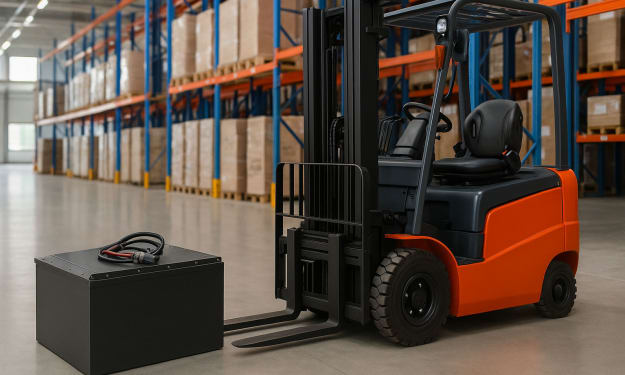
As companies across industries embrace sustainability, the choice of power sources for material handling equipment like forklifts has never been more critical. Traditional lead-acid batteries, once the standard, present challenges in energy efficiency, maintenance, and environmental impact. Enter lithium-ion forklift batteries—offering faster charging, longer cycle life, zero local emissions, and superior performance. By switching to lithium technology, warehouses and distribution centers can reduce their carbon footprint, lower operating costs, and enhance safety. This deep dive explores the environmental benefits of lithium forklift batteries, practical considerations for adoption, current technological advances, and why RICHYE’s advanced lithium solutions set a new benchmark in sustainable material handling.
By Richye Power7 months ago in Journal
My New Book is Finally Here
My poetry collection Beautiful and Brutal Things is done. It's actually done and finally published over 270 pages. Over a year of my life went into this book. More than a year, really. Long days at my computer, sometimes seven days a week because I couldn't stop even when I probably should have. Then two months of editing that felt harder than the writing itself. But it's finished, and I'm still standing, and the book is real.
By Tim Carmichael2 days ago in BookClub



Comments
There are no comments for this story
Be the first to respond and start the conversation.