
Stereotypes About Women Who Keep Dogs as Pets
Unleashing the Truth

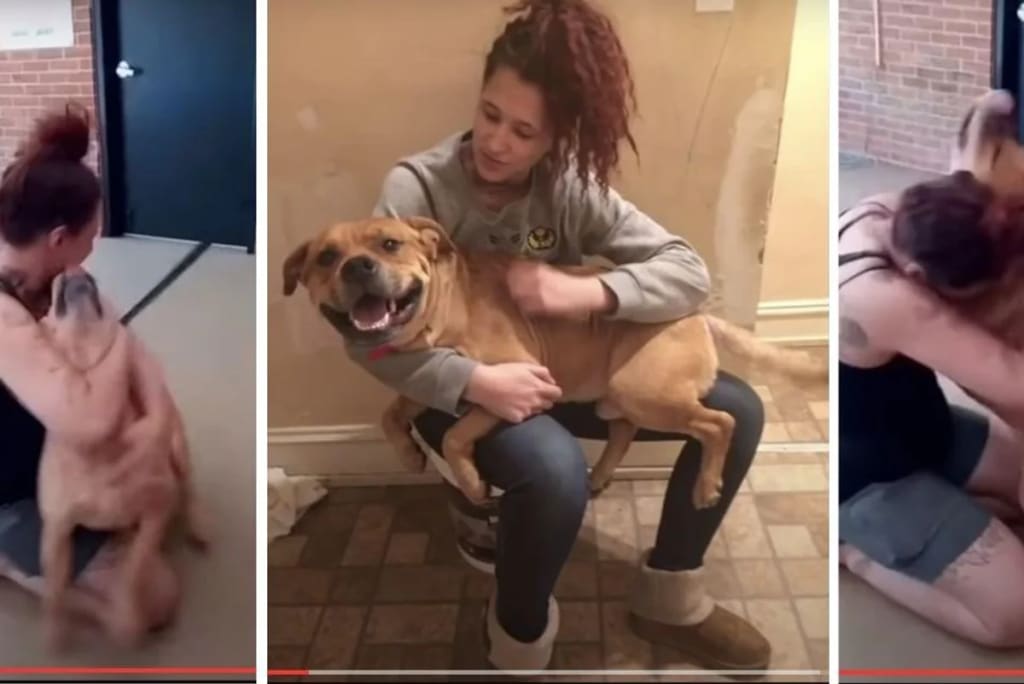
In the modern world where social media, pop culture, and everyday interactions shape how we perceive people, pet ownership is not just a lifestyle choice—it's a personality trait. And when it comes to women who keep dogs as pets, the stereotypes are both entertaining and revealing.
From the nurturing caretaker to the chic, over-the-top "dog mom," women with dogs are often subject to a spectrum of exaggerated, humorous, and sometimes unfair assumptions. This article dives into the most common stereotypes associated with women who own dogs, examining their origins, their impact, and the truth behind them.
1. The "Soft Girl" or Natural Nurturer
Stereotype:
She’s gentle, emotionally available, nurturing, and is basically a walking Pinterest board of cozy blankets, herbal tea, and affirmations.
Why People Believe It:
Dogs require care, attention, and routine. The assumption is that any woman who willingly takes on this responsibility must be naturally maternal or innately nurturing.
The Truth:
While many dog owners are deeply compassionate, this stereotype unfairly boxes women into traditional caregiver roles. In reality, owning a dog can be as much about companionship, self-care, and even safety as it is about nurturing.

2. The Instagram Influencer
Stereotype:
Every moment with the dog is a photo op. She posts matching outfits, curated walks in scenic parks, and lifestyle content that feels like it came from a brand campaign.
Why People Believe It:
Social media culture rewards aesthetics and relatability. Women who enjoy documenting their lives with their dogs are often seen as doing it "for the 'Gram."
The Truth:
Taking joy in your pet and wanting to share that online doesn't make someone shallow. For many, it’s a creative outlet and a way to engage with a pet-loving community. Also, pet content is statistically one of the most positive corners of the internet.
3. The Single Woman Who Replaced a Man With a Dog
Stereotype:
"She treats her dog better than she’d treat a boyfriend." There's an underlying idea that a dog is a replacement for romantic companionship.
Why People Believe It:
Cultural narratives often tie a woman’s value to her relationship status. When a woman shows deep affection for her dog, it challenges that narrative, sometimes making others uncomfortable or judgmental.
The Truth:
Many women find emotional fulfillment in their pets because animals offer unconditional love, companionship, and loyalty. But that doesn’t mean they’re anti-relationship or emotionally unbalanced. It just means they have priorities beyond societal expectations.
4. The "Crazy Dog Mom"
Stereotype:
She throws birthday parties for her dog, has a dedicated pet wardrobe, and refers to herself as "Mommy" in all her dog-related posts.
Why People Believe It:
Devotion to pets can seem excessive to those who don’t share that bond. Add in anthropomorphizing (treating pets like humans), and the line between quirky and "crazy" gets blurred in public perception.
The Truth:
Caring deeply for your dog doesn’t make you crazy. In fact, studies show that the bond between a pet and its owner can be as strong as familial ties. Celebrating that bond is not only harmless but often therapeutic.
5. The Introvert Who Prefers Dogs Over People
Stereotype:
She’d rather spend Friday night with her dog than go on a date or attend a social gathering. She "trusts dogs more than humans."
Why People Believe It:
Many dog owners find solace in their pets, especially those who are more introverted or have had negative social experiences. Dogs provide companionship without judgment, criticism, or drama.
The Truth:
Choosing to enjoy time with a dog doesn’t mean someone is anti-social or emotionally closed off. It can mean they value peace, loyalty, and emotional safety—qualities often found in our four-legged friends.
6. The Healer With a Rescue Dog
Stereotype:
She adopted a rescue dog to "fix her life" or heal from trauma. The narrative suggests that the dog is a therapy tool rather than a companion.
Why People Believe It:
It's common to seek comfort in animals during hard times. Rescue dogs, especially those with their own sad backstories, make for a compelling "healing" narrative.
The Truth:
Many people do form deep emotional connections with rescue dogs. While healing may be part of the equation, it’s usually a two-way street. People and animals alike benefit from the bond—but it’s not necessarily rooted in sadness or dysfunction.
7. The Diva With a Designer Dog
Stereotype:
She carries a tiny dog in her handbag, feeds it gourmet meals, and names it something like "Chanel" or "Bentley." Her pet is more accessory than animal.
Why People Believe It:
Pop culture moments, like Paris Hilton in the 2000s, shaped this stereotype. Designer dogs and posh lifestyles became synonymous with being high-maintenance or superficial.
The Truth:
Some women do enjoy luxury, and yes, their dogs live lavish lives. But loving aesthetics doesn’t negate emotional depth. Many of these women deeply love their pets—they just do it with flair.
8. The Empowered Woman Who Owns Big Dogs
Stereotype:
She walks her German Shepherd or Doberman like a boss. The implication: she’s assertive, independent, and possibly intimidating.
Why People Believe It:
Big dogs have traditionally been seen as masculine, protective, or aggressive. A woman with a large dog challenges gendered expectations.
The Truth:
Many women prefer large dogs for protection, companionship, or simply because they love the breed. It’s a reflection of choice, not dominance. Often, it highlights confidence and a no-nonsense attitude toward stereotypes.
9. The Overprotective, Anxious Type
Stereotype:
She's constantly worried about her dog's health, diet, and socialization. She treats a simple vet check-up like a surgical consultation.
Why People Believe It:
Anxiety and control issues are often projected onto pet care behaviors. When a woman is highly invested in her dog’s well-being, it can be misread as overbearing.
The Truth:
Most of the time, this attention to detail stems from genuine love and responsibility. Pets are family to many people, and being vigilant is part of being a good pet parent—not a sign of neurosis.
10. The Woman Who Talks to Her Dog Like It’s Human
Stereotype:
She has full-blown conversations with her dog. She might even say things like "Don't judge me!" while her dog blinks unbothered.
Why People Believe It:
Anthropomorphizing pets is common, but when women do it, it's often mocked or seen as eccentric.
The Truth:
Talking to dogs is actually healthy. It builds emotional connection, relieves stress, and can even increase cognitive engagement. It’s not "crazy" — it’s communication.
So, Why Do These Stereotypes Exist?
Most of these stereotypes are shaped by cultural expectations of women: that they should be nurturing, demure, relationship-focused, and self-sacrificing. When women openly love and invest in their dogs, it reveals how society still tries to frame women’s emotional expressions in narrow ways.
Dogs don’t just serve as pets. For many women, they are companions, protectors, family, and even symbols of identity and healing.
Final Thoughts: More Than a Meme
Stereotypes are easy to laugh at, but they often obscure the richness and complexity of real human behavior. Women who keep dogs are not one-dimensional caricatures—they are empowered, loving, diverse individuals who express their love for animals in countless, meaningful ways.
So the next time you see a woman walking her pup in a sweater or throwing a dog birthday party, don’t roll your eyes. Smile. Because behind every quirky dog mom stereotype is a person who’s built a beautiful, joyful, and deeply personal bond with their furry friend.
And that’s something worth celebrating.
About the Creator
Omasanjuwa Ogharandukun
I'm a passionate writer & blogger crafting inspiring stories from everyday life. Through vivid words and thoughtful insights, I spark conversations and ignite change—one post at a time.
Keep reading
More stories from Omasanjuwa Ogharandukun and writers in Journal and other communities.
Why is Nomzamo Mbatha Trending 2025
Nomzamo Mbatha—a name that resonates across film, humanitarian work, fashion and business—is trending across global social media, news outlets, and entertainment circles. Here's an in-depth, richly nuanced look at why this South African star is dominating conversation right now:
By Omasanjuwa Ogharandukun6 months ago in Journal
Smart phones, Humans and Aliens.
WARNING. I will be tapping into one of your favorite creative tensions: The absurdity of humans worshipping their glowing rectangles as if they were tiny oracles. There’s something deliciously poetic about that contradiction, and it lends itself beautifully to an instructive proviso.
By Novel Allen4 days ago in Poets



Comments
There are no comments for this story
Be the first to respond and start the conversation.