
Stay Safe in the Kitchen: The Importance of a Kitchen Fire Extinguisher
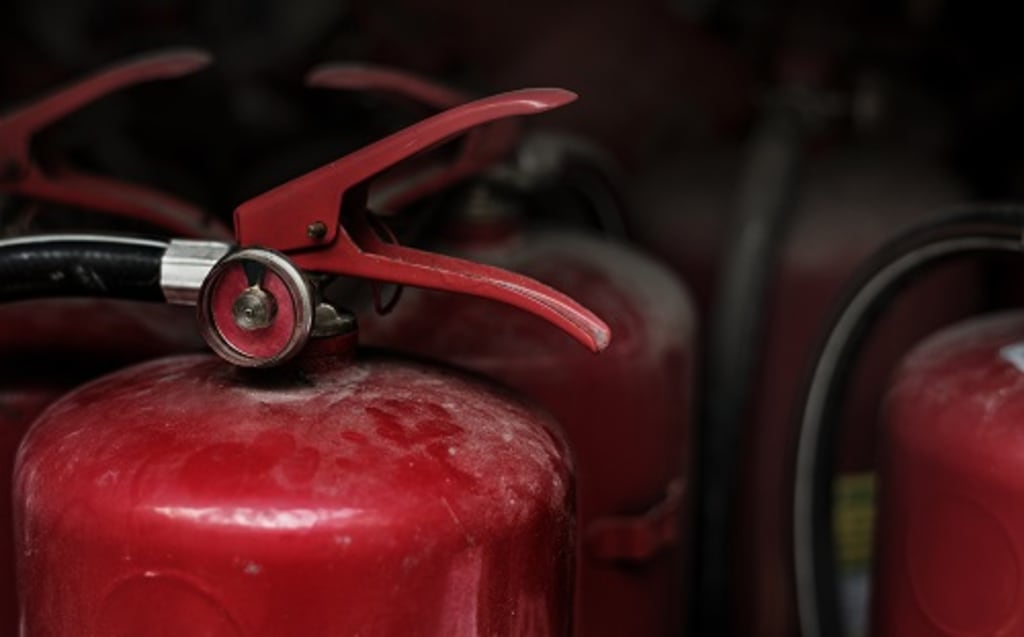
kitchen Fire Extinguisher
Introduction
The kitchen is the heart of every home, where delicious meals are prepared and cherished memories are made. However, it is also one of the most common places for fires to occur. Having a reliable kitchen fire extinguisher is essential to tackle potential fire emergencies swiftly and efficiently. In this comprehensive guide, we will delve into the world of kitchen fire extinguisher, covering their types, proper usage, and vital safety measures to ensure a safe and enjoyable cooking experience.
Kitchen Fire Extinguishers: Understanding Their Importance
Why Do You Need a Kitchen Fire Extinguisher?
Kitchen fires can escalate rapidly, putting lives and property at risk. A kitchen fire extinguisher acts as your first line of defense, allowing you to control small fires before they spread out of control.
The Different Types of Fire Extinguishers
Class A Extinguishers: Suitable for common combustible materials like wood, paper, and fabric.
Class B Extinguishers: Designed for flammable liquids such as cooking oil, gasoline, and grease.
Class C Extinguishers: Effective on electrical fires, where the extinguishing agent does not conduct electricity.
Class K Extinguishers: Specifically formulated for kitchen fires involving cooking oils and fats.
How to Use a Kitchen Fire Extinguisher
Remember the PASS Technique
To use a fire extinguisher effectively, follow the PASS technique:
P - Pull: Pull the pin to break the seal and activate the extinguisher.
A - Aim: Aim the nozzle at the base of the fire, not the flames.
S - Squeeze: Squeeze the handle to discharge the extinguishing agent.
S - Sweep: Sweep from side to side at the base of the fire until it is fully extinguished.
Types of Kitchen Fire Extinguishers
Dry Chemical Fire Extinguishers
Dry chemical extinguishers are versatile and suitable for Class A, B, and C fires. They are effective in combating various types of fires, making them a popular choice for kitchen use.
Wet Chemical Fire Extinguishers
Wet chemical extinguishers are designed specifically for kitchen fires involving cooking oils and fats. They create a cooling and smothering effect on the fire.
Carbon Dioxide (CO2) Fire Extinguishers
CO2 extinguishers are ideal for electrical fires and are safe to use around electronic appliances. They leave no residue and do not damage sensitive equipment.
Fire Blankets
Fire blankets are useful for smothering small fires, especially those involving pots and pans. They are easy to use and can be quickly deployed.
Kitchen Fire Safety Tips
Install Smoke Alarms
Ensure your kitchen is equipped with working smoke alarms to provide early warning of potential fire hazards.
Keep Flammable Items Away
Keep flammable materials like kitchen towels, curtains, and paper products away from the stove and other heat sources.
Don't Leave Cooking Unattended
Always stay in the kitchen while cooking, especially when using high heat or frying.
Use Caution with Cooking Oils
Be cautious when cooking with oils and grease. Never leave hot oil unattended, and use a thermometer to avoid overheating.
Clean Grease Buildup
Regularly clean grease buildup from the stovetop, hood, and oven to prevent potential fire hazards.
Avoid Overloading Outlets
Do not overload electrical outlets with too many appliances, as this can cause electrical fires.
Have an Escape Plan
Have an evacuation plan in place in case of a fire emergency and practice it with your family.
Frequently Asked Questions (FAQs)
Can I use water to extinguish a kitchen fire?
No, water should not be used to extinguish a kitchen fire involving cooking oils or grease, as it can cause the fire to spread.
How often should I check my kitchen fire extinguisher?
Check your kitchen fire extinguisher monthly to ensure it is in good working condition. Also, has it been professionally inspected annually?
Is it safe to store a fire extinguisher in the kitchen?
Yes, it is safe to store a fire extinguisher in the kitchen, as long as it is easily accessible and away from heat sources.
Can I use a fire extinguisher on an electrical fire?
Yes, you can use a Class C fire extinguisher on an electrical fire. The extinguishing agent does not conduct electricity, making it safe to use on such fires.
What should I do if a kitchen fire becomes uncontrollable?
If a kitchen fire becomes uncontrollable, immediately evacuate the premises and call the fire department.
How do I clean up after using a kitchen fire extinguisher?
After using a fire extinguisher, clean up the area by wiping away any residue left behind using a damp cloth.
Conclusion
Kitchen fire extinguishers are indispensable tools for every home's safety kit. By understanding the different types of fire extinguishers and following safety tips, you can effectively respond to kitchen fires and protect your loved ones and property. Remember, prevention is key, so practice caution while cooking and have an escape plan in place. With the right knowledge and tools, you can cook with confidence, knowing that you are well-prepared for any fire emergency.
About the Creator
Keep reading
More stories from ABC Fire & Safety and writers in Journal and other communities.
The Ultimate Guide to ABC Fire Extinguishers: Types and Uses
Introduction In this comprehensive article, we will explore everything you need to know about ABC fire extinguisher, from their importance in fire safety to their various types and usage. So, if you're looking to enhance your knowledge and become well-versed in fire safety, you're in the right place!
By ABC Fire & Safety3 years ago in Journal
Affection and Healing for Yourself
During the night of the last quarter moon, I gathered my ritual supplies. I carefully handled the chunk of black tourmaline that would protect me from your overall negative and narcissistic energy. I carefully walked the house with my stick of selenite in hand, asking the universe to cleanse our working space.
By Alisha Wilkins ✒️🦋🖋️6 days ago in Fiction


Comments
There are no comments for this story
Be the first to respond and start the conversation.